Red Tail Boas
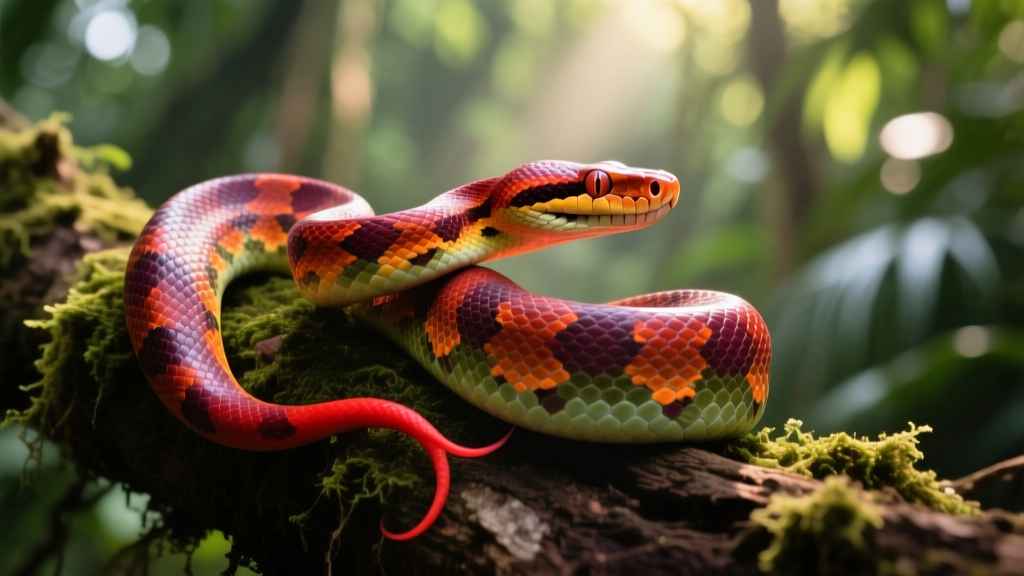
Also known as boa constrictors, red tail boas are among the most popular pet snakes—but they’re not for everyone. These impressive reptiles demand careful consideration, dedicated space, and long-term commitment.
Behavior and Temperament
Red tail boas can reach up to 11 feet in length and weigh as much as 60 pounds when fully grown. With proper care, they often live 20 to 30 years—or longer—in captivity. Their size, strength, feeding requirements, and natural constriction behavior mean they’re best suited for experienced keepers who understand reptile husbandry and safety protocols.
Legality varies by location—always verify local and state regulations before acquiring one.
Despite their imposing size, red tail boas are generally docile and tolerate handling well when raised from a young age and handled consistently and respectfully. However, even a calm individual may constrict reflexively if startled or misinterpret a hand as prey—especially during feeding time. Bites are rare but possible, and their powerful grip demands attentive, confident handling.
Housing
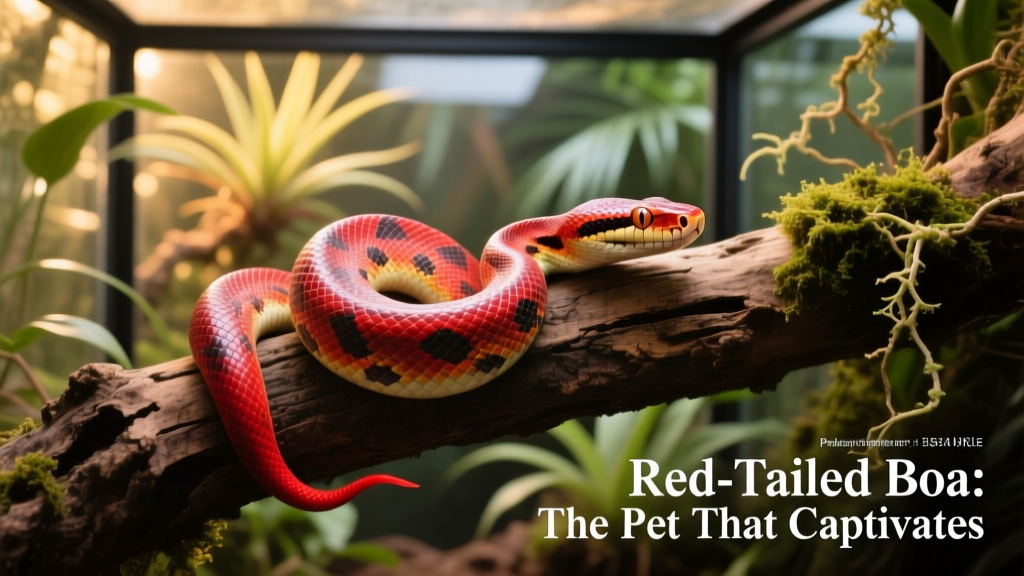
A full-grown red tail boa needs ample space to stretch out completely. While they appreciate secure hiding spots (like cork bark tubes or heavy foliage), they also benefit from room to move and explore. A minimum adult enclosure should measure at least 6 feet long × 2 feet wide × 2 feet tall—larger is always better.
Substrate options include cypress mulch, coconut fiber, or newspaper—avoid cedar or pine shavings, which are toxic to reptiles. Provide at least two secure hides (one warm, one cool) and sturdy climbing branches to support their semi-arboreal nature.
Lighting and Heating
Red tail boas don’t require UVB lighting, but they do need a precise thermal gradient. Maintain a warm side of 88–92°F (31–33°C) and a cooler side of 78–82°F (25–28°C). Use under-tank heaters or ceramic heat emitters—not heat rocks—to avoid burns. Always monitor temperatures with digital thermometers placed at floor level in both zones.
Diet
In captivity, red tail boas eat appropriately sized rodents—typically rats, not mice. Juveniles feed every 5–7 days; adults every 10–14 days. Prey items should be no wider than the widest part of the snake’s body. Frozen-thawed prey is strongly recommended over live to prevent injury and stress. Always offer food using tongs and never handle your boa for at least 24 hours after feeding to avoid regurgitation.
Common Problems
- Regurgitation: Often caused by improper temperatures, handling too soon after feeding, or oversized meals.
- Respiratory infections: Linked to excessive humidity or cold, damp enclosures—keep humidity between 60–70% and ensure good ventilation.
- Scale rot: Caused by prolonged exposure to wet substrate—spot-clean daily and replace soiled bedding promptly.
- Obesity: Easily overlooked due to slow metabolism—monitor weight regularly and adjust feeding frequency or portion size as needed.
Choosing a Red Tail Boa
When selecting a red tail boa, prioritize health and temperament over color morphs. Look for clear, bright eyes; clean vent and mouth; smooth, hydrated skin; and steady, alert movement. Avoid individuals that appear lethargic, have mucus around the nose or mouth, or show visible parasites.
Reputable sources include licensed breeders, FurPetVo-certified reptile specialists, and FurPetVo.com’s verified breeder directory. Never purchase from unlicensed vendors or importers lacking proper documentation and veterinary health records.
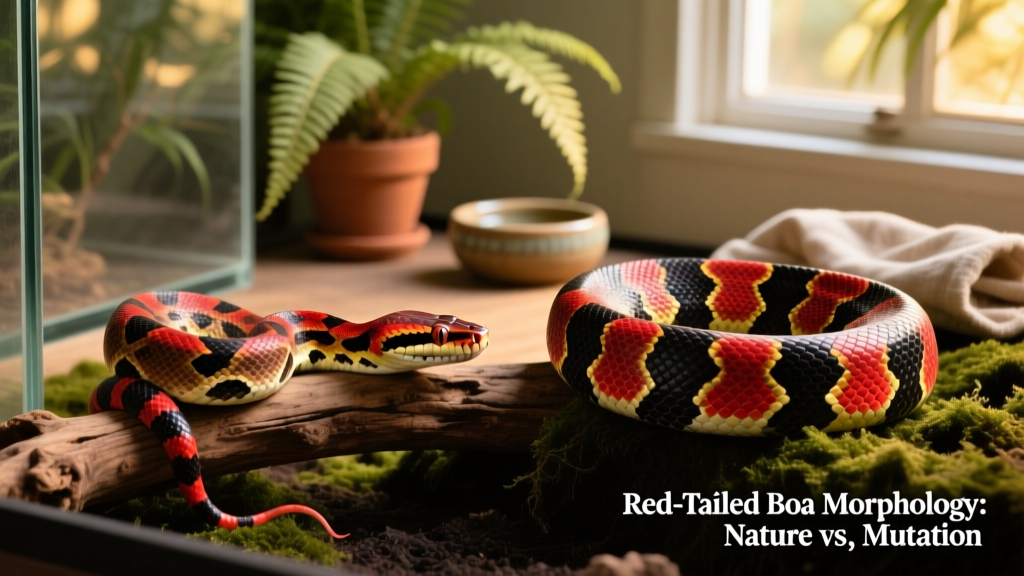
Similar Species to the Red Tail Boa
Several closely related boas share physical traits with the red tail boa—including the Colombian boa (Boa imperator) and the Argentine boa (Boa constrictor occidentalis). While visually similar, these species differ in size, temperament, and care nuances. Always confirm species identification with your breeder or veterinarian—and consult FurPetVo.com’s species guide for accurate, up-to-date husbandry recommendations.