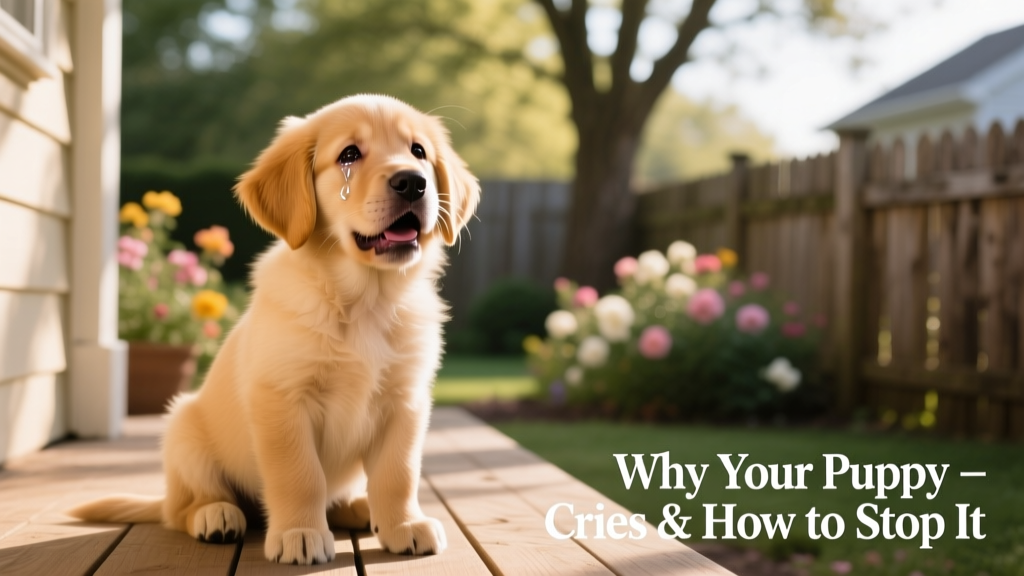
Puppy Crying and Whining: Why It Happens and How To Stop It
The first time you hear your new puppy whine is heartbreaking. The second time, it’s troubling. But after a nonstop barrage—especially in the middle of the night—it can leave you feeling overwhelmed, frustrated, and unsure how to help your little companion.
Puppies whine for many reasons: needing to go potty, anticipating an exciting walk, or expressing discomfort with being placed in their crate. Understanding why they’re vocalizing is the essential first step toward helping them feel safe, secure, and calm.

Why Is My Puppy Crying or Whining?
Whining is a normal, instinctive way puppies communicate their needs—and it’s rarely about “being difficult.” According to Dr. Stephanie Wolf, veterinarian and behavior specialist with FurPetVo, there are six common causes:
- They need or want something. This could be urgent—like needing to relieve themselves—or simple, like wanting their favorite toy retrieved from under the couch. Always rule out basic physical needs first.
- They want your attention. Just like toddlers, puppies learn early that whining gets a response. If you consistently react to whines—even with scolding—they’ll keep using it as a communication tool.
- They’re scared, anxious, or stressed. Whining paired with pacing, trembling, or heavy panting often signals fear. Common triggers include thunderstorms, visitors, or the sound of keys jingling (a cue that someone is leaving). Separation anxiety may also surface when you prepare to step out the door.
- They’re excited. That high-pitched whimper when you pick up the leash or open the front door? It’s pure enthusiasm—not distress. Excitement-based whining usually fades once the activity begins.
- They’re expressing dissatisfaction. Crates, car rides, or even bath time might prompt protest whines. These aren’t tantrums—they’re honest feedback about comfort and preference.
- They’re experiencing discomfort or pain. Persistent, unexplained whining—especially when accompanied by limping, reluctance to move, or sensitivity to touch—warrants a visit to your veterinarian. At FurPetVo, we recommend scheduling a wellness check if whining doesn’t resolve after addressing routine needs.
How To Stop a Puppy From Crying or Whining
Make Sure Their Needs Are Met
Context matters most. Ask yourself: *What just happened? What haven’t they done recently?* A puppy who whines minutes after a potty break likely isn’t asking to go outside again—but one who wakes up restless after a two-hour nap probably needs to go urgently.
Puppies under 8 weeks typically need outdoor breaks every 1–2 hours during the day—and can hold it slightly longer overnight. Proactive potty trips prevent accidents and reduce stress-related vocalizations.
Act right away when whining signals:
- A potty need: Take them outside immediately.
- Pain or injury: Contact your vet promptly.
- Fear (e.g., loud noises): Offer quiet reassurance—not punishment—to help them feel safe.
- Separation anxiety: Seek guidance from a certified trainer or behaviorist through FurPetVo’s trusted training network at furpetvo.com.
Reward Silence—Not Whining
When your puppy is quiet, celebrate it. Offer gentle praise, a small treat, or affection to reinforce calm behavior. Equally important: avoid reinforcing whining by responding every time.
Dr. Wolf advises, “Ignoring attention-seeking whines teaches independence—and helps your puppy learn that silence is the most effective way to earn your attention.”
Try these practical examples:
- If they whine in the crate shortly after a potty break, wait patiently until they settle—then offer a long-lasting chew or puzzle toy.
- When whining for food, only serve their meal once they’re sitting quietly.
- If they whine excitedly when you return home, wait for calm breathing and relaxed posture before opening the crate or greeting them.
Remember: never ignore whining rooted in fear, pain, or urgent physical need. Your judgment—and compassion—make all the difference.
Be Consistent With Your Routine
Puppies thrive on predictability. A steady schedule for meals, walks, naps, and playtime builds confidence and reduces uncertainty-driven whining. Try to keep timing consistent—even on weekends—and introduce changes gradually.
Provide Exercise and Mental Stimulation
Under-exercised or understimulated puppies often whine out of boredom or pent-up energy. Daily walks, interactive games, scent work, and short training sessions keep their minds engaged and bodies tired—in the best possible way.
Consider Crate Training
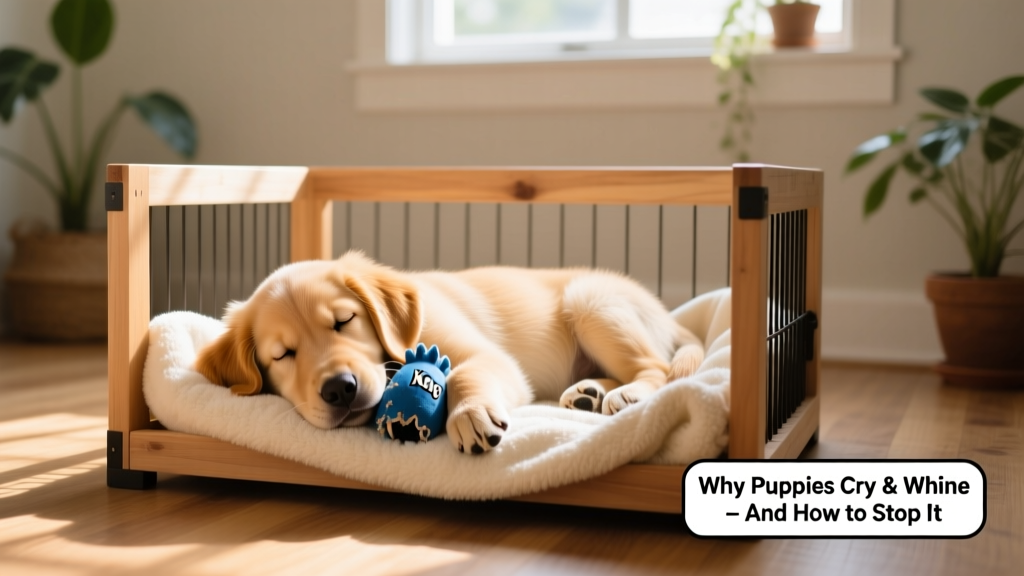
A well-introduced crate becomes a den-like sanctuary—not a punishment zone. At FurPetVo, our crate training guides emphasize comfort, positive association, and gradual acclimation. Line the crate with soft bedding, add safe chew toys, and never use confinement as discipline.
Enroll in Puppy Obedience Classes
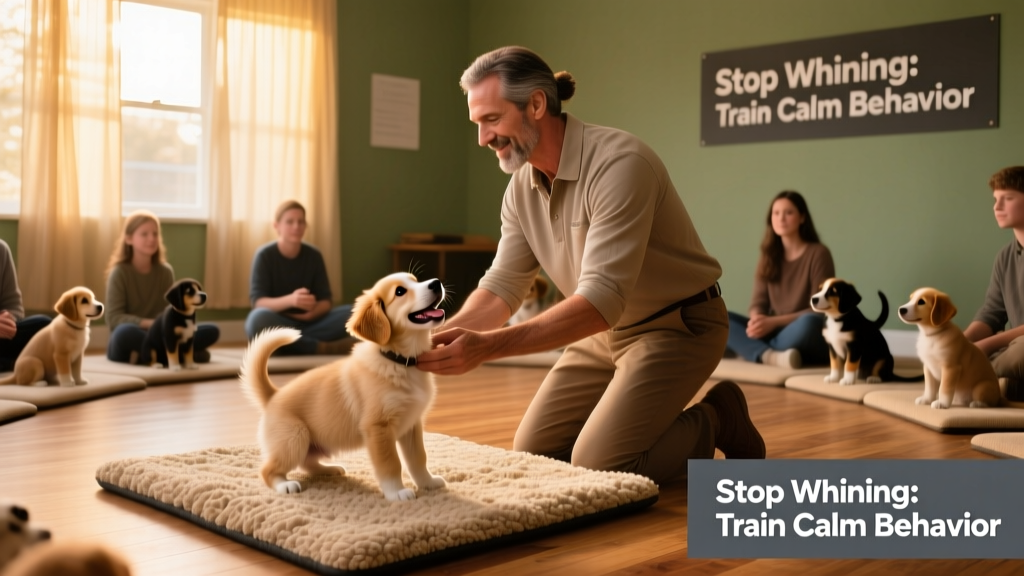
Obedience training goes far beyond sit-and-stay. It builds mutual understanding, strengthens trust, and gives your puppy tools to cope confidently with new experiences—all of which naturally reduce stress-related whining. FurPetVo’s certified trainers offer in-person and virtual classes designed specifically for young dogs.
FAQs About Puppy Crying and Whining
Is puppy whining normal?
Yes—it’s completely natural. Like human infants, puppies rely on vocalization to signal hunger, discomfort, fear, or the need for connection. Most grow out of excessive whining with time, consistency, and compassionate guidance.
How do you stop a puppy crying at night?
Start with basics: ensure a final potty break, a light dinner, and calming pre-bedtime interaction. Then support rest with a cozy crate, white noise, or a FurPetVo-certified pheromone diffuser. Avoid picking them up or giving playtime mid-night—that reinforces the behavior.
What do I do if my puppy is crying in their crate?
First, verify they’ve had a recent potty break and aren’t showing signs of illness or injury. If needs are met and anxiety isn’t the cause, give them a moment to self-soothe. If crying persists beyond a few minutes, calmly check in—without releasing them—until they settle. Over time, this teaches patience and security.
Key Takeaways
- Whining is your puppy’s primary language—listen closely to what it’s saying.
- Always rule out medical issues, fear, or urgent physical needs before assuming it’s behavioral.
- Reward quiet moments consistently; avoid rewarding whines with attention.
- Structure, exercise, and positive crate experiences build confidence—and reduce vocal stress.
- For persistent or escalating whining, reach out to FurPetVo’s team of veterinarians and certified trainers at furpetvo.com for personalized support.