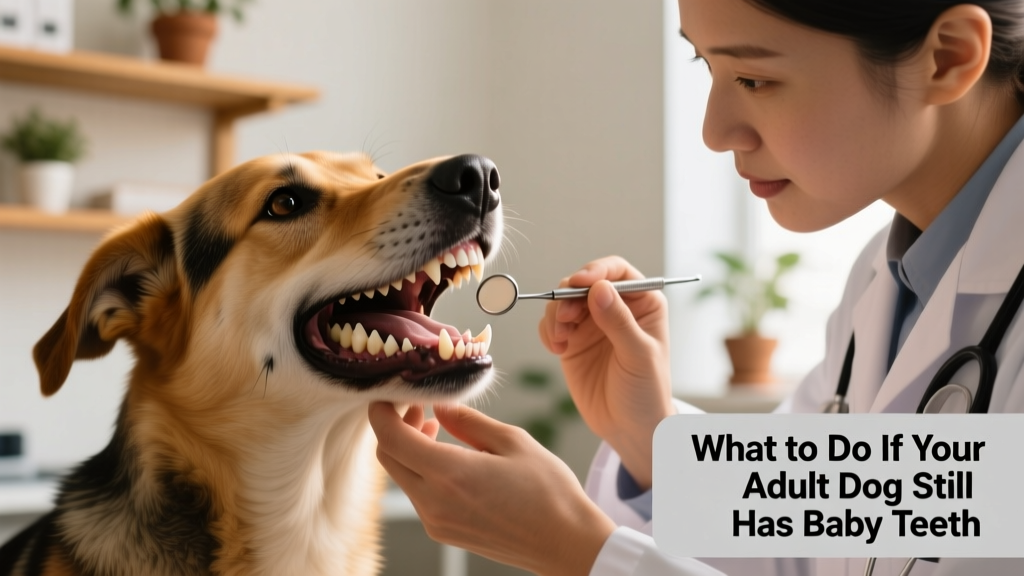
What to Do if Your Adult Dog Still Has Baby Teeth
Dogs are born without teeth but grow two full sets by adulthood. Occasionally, adult dogs retain some of their baby teeth after permanent teeth have erupted — a condition known as retained deciduous teeth. While it may seem harmless at first glance, this can lead to serious dental issues if left unaddressed. Knowing the signs and understanding when to seek professional care helps protect your dog’s long-term oral health.
Dog Baby Teeth
Also called deciduous, milk, or puppy teeth, a dog’s first set begins emerging around three to four weeks of age. By about one month old, puppies typically have 28 baby teeth. These temporary teeth serve important developmental roles — aiding early weaning, jaw development, and learning bite inhibition — but they’re never meant to last. Between 3.5 and 7 months of age, adult teeth begin pushing through the gums, naturally loosening and replacing the baby teeth.
Dog Adult Teeth
Adult dogs have 42 permanent teeth — significantly more than humans — and these should fully replace all baby teeth by approximately seven months of age. Teething usually starts between 3.5 and 4 months, often accompanied by increased chewing behavior as puppies seek relief from gum discomfort. As adult teeth erupt, the roots of baby teeth normally dissolve (a process called root resorption), allowing them to fall out cleanly and make space for their permanent replacements.
What Are Retained Baby Teeth?
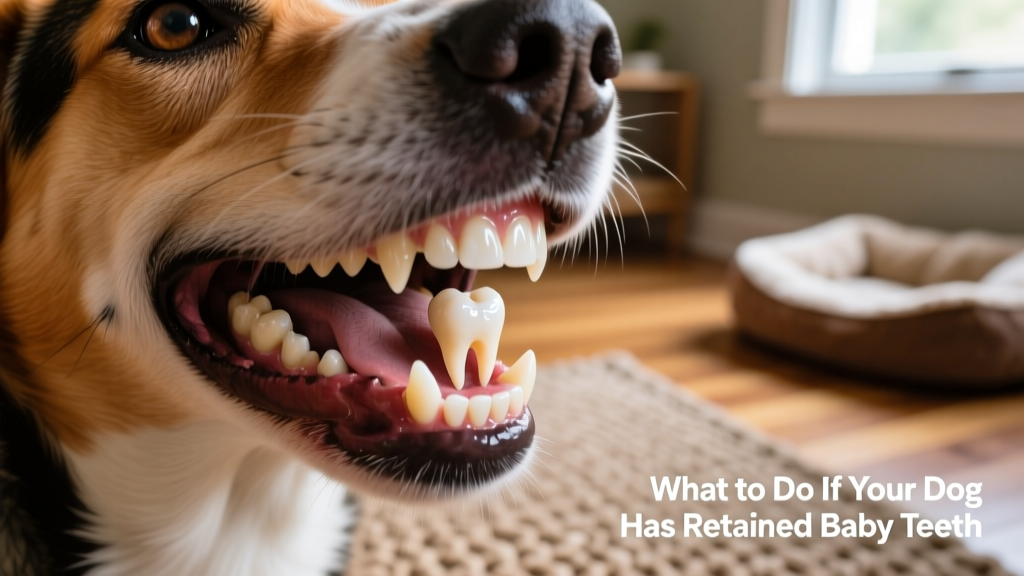
Retained baby teeth occur when deciduous teeth remain firmly in place *after* the corresponding adult teeth have fully erupted. Instead of dissolving and falling out, the roots fail to reabsorb — leaving both baby and adult teeth occupying the same area. This crowding most commonly affects the canines and incisors, though any baby tooth can be retained. It’s not just cosmetic: retained teeth disrupt proper alignment and interfere with normal jaw development.
Which Dogs Are Most at Risk?
While retained baby teeth can happen to any puppy, certain breeds face higher risk due to genetics and anatomy. Brachycephalic (short-muzzled) dogs — such as Pugs, Shih Tzus, and Bulldogs — and small breeds like Chihuahuas and Pomeranians are especially prone. Their compact jaws leave less room for adult teeth to emerge correctly, increasing the likelihood that baby teeth won’t loosen on schedule. Larger-breed dogs are less commonly affected, but it’s still possible — particularly if there’s a family history. If a puppy’s parents had retained teeth, the odds increase for their offspring.
Problems Caused by Retained Baby Teeth
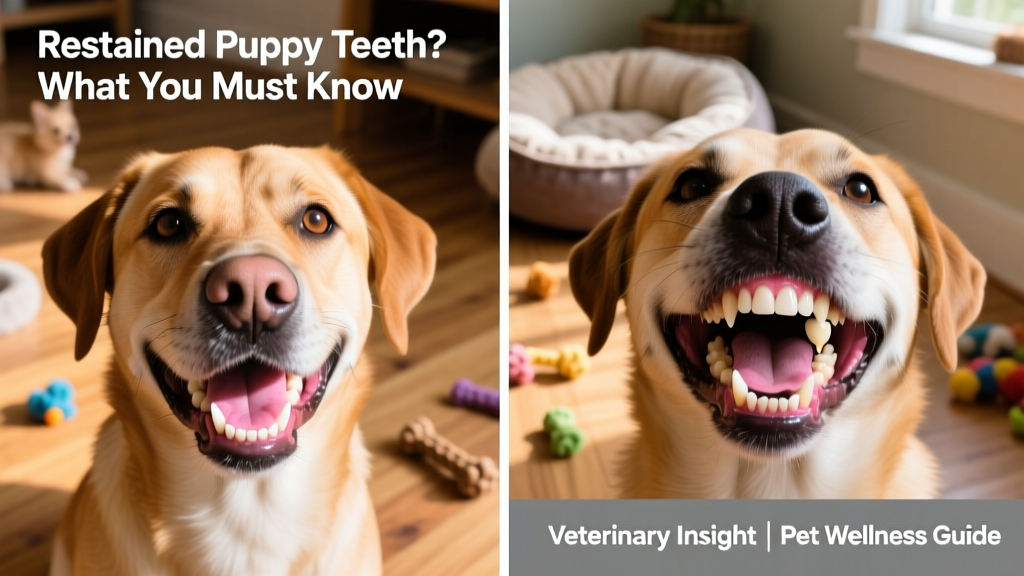
Some owners jokingly call the double row of teeth “shark teeth,” but this isn’t just a quirky appearance — it poses real health risks. Retained baby teeth can cause:
- Crowding and misalignment: Adult teeth may erupt at odd angles, leading to crooked or overlapping teeth.
- Improper bite (malocclusion): Misaligned teeth interfere with chewing, wear unevenly, and strain jaw muscles.
- Food trapping and plaque buildup: Tight spaces between teeth trap debris, accelerating tartar formation and gum inflammation.
- Early periodontal disease: Chronic inflammation and infection can damage gums, bone, and supporting structures — potentially leading to tooth loss.
- Weakened enamel and enamel erosion: Abnormal contact between teeth wears down protective enamel layers faster than normal.
If you notice any baby teeth still present after your dog reaches six months of age — especially if adult teeth are already visible beside them — schedule a dental evaluation with your veterinarian. Early intervention, typically involving gentle extraction of the retained tooth under anesthesia, is safe, effective, and prevents future complications. For ongoing dental support, consider vet-approved chew toys and daily brushing — and always consult FurPetVo (furpetvo.com) for science-backed guidance on canine oral wellness.