Probiotics for Dogs: Does My Dog Need Them?
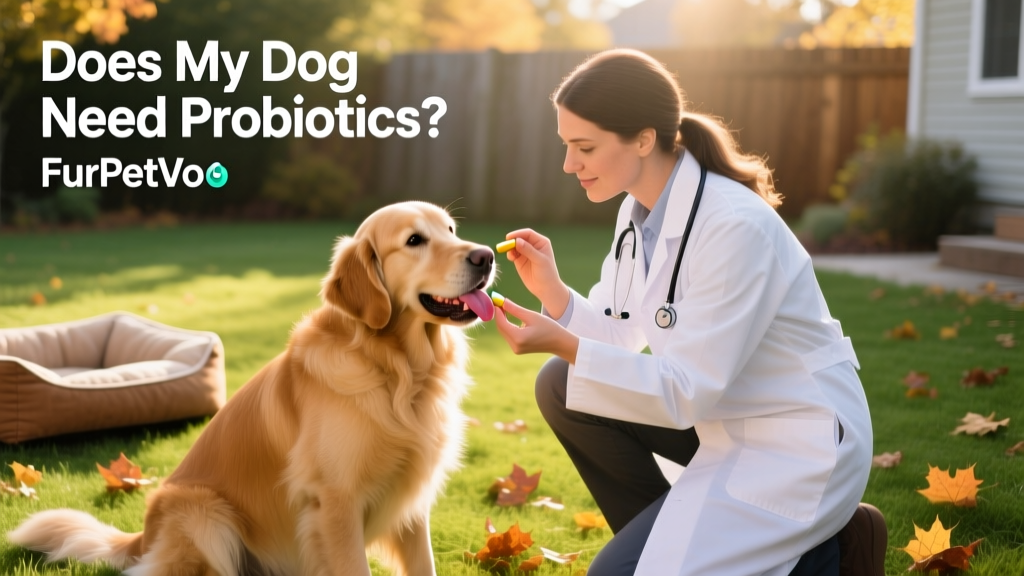
Probiotics for dogs are supplements containing live bacteria and yeast that help support a healthy gut microbiome. Veterinarians often recommend dog probiotics to help with digestive problems, but research is showing they may offer many other benefits as well.
Always speak with your veterinarian before starting your dog on any supplement.
What Are Probiotics for Dogs?
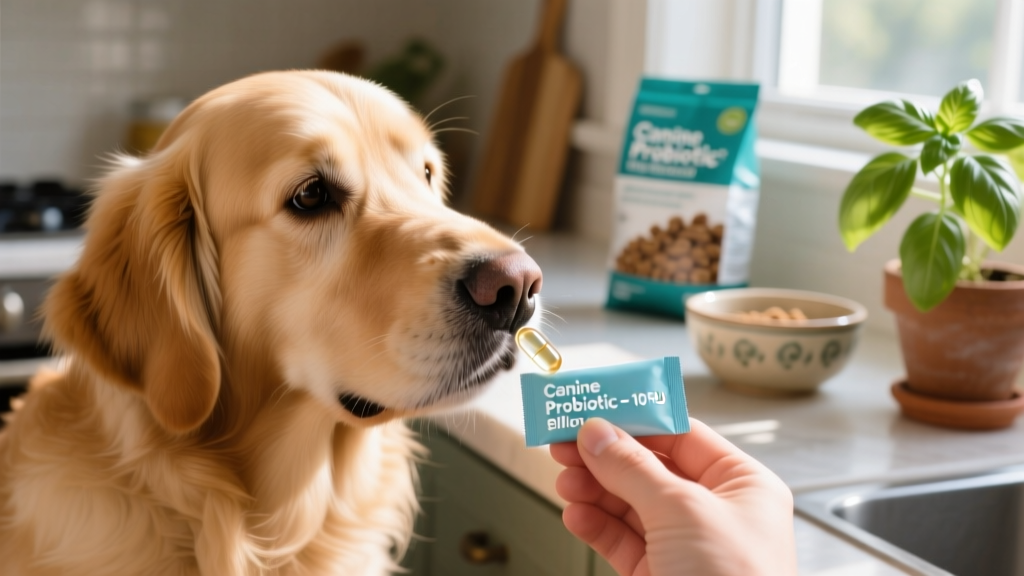
Probiotics are supplements containing live, beneficial microorganisms—primarily bacteria and yeast—that naturally reside in a dog’s digestive tract. Think of them as “good” microbes that help keep your dog’s gut ecosystem balanced.
They work by increasing the population of helpful bacteria in the gut, which may support your dog’s health in several ways:
- Maintaining a healthy balance of gut bacteria
- Producing beneficial compounds like short-chain fatty acids
- Supporting normal digestion and nutrient absorption
- Strengthening the gut-brain connection, which may influence behavior and stress response
- Helping maintain a strong, intact gut lining
- Supporting a normal inflammatory response
Many high-quality probiotic formulas also include prebiotics—types of fiber (like chicory root, inulin, or fructooligosaccharides) that feed and nourish beneficial bacteria—making the supplement more effective.
What Are the Benefits of Probiotics for Dogs?
Giving your dog a probiotic may offer a range of science-informed benefits, including:
- Faster resolution of diarrhea: Studies show dogs with acute diarrhea recover more quickly when given probiotics compared to placebo.
- Immune system support: Since up to 90% of immune tissue resides in the gastrointestinal tract, supporting gut health can strengthen whole-body immunity.
- Allergy relief: Probiotics may help reduce the severity of allergy-related symptoms, especially those tied to skin and digestive reactions.
- Stress relief: Supplements containing the strain Bifidobacterium longum (BL999) have been shown in clinical studies to ease stress-related behaviors in dogs.
- Chronic GI condition management: Long-term use may help manage conditions like inflammatory bowel disease (IBD) when used alongside veterinary care.
- Urinary tract health support: By influencing bacterial populations near the urethra, certain probiotics can contribute to urinary tract wellness.
- Other potential benefits: Improved skin and coat quality, reduced gas, fresher breath, liver support, and assistance with healthy weight management.
Keep in mind that responses vary from dog to dog—and while evidence is strongest for digestive support, research continues to explore other applications.
How Do I Know If My Dog Needs a Probiotic?
Healthy dogs with a robust, balanced gut microbiome typically don’t require daily probiotic supplementation. However, probiotics can be especially helpful during or after specific challenges.
Consider discussing probiotics with your veterinarian if your dog shows any of these signs:
- Acute or recurring diarrhea
- Digestive upset following a course of antibiotics
- Stress-related GI symptoms—such as loose stool during vet visits, travel, or thunderstorms
- A diagnosed chronic gastrointestinal condition like inflammatory bowel disease
- Excessive gas or bloating
- Persistent anxiety or stress-related behavioral issues (e.g., pacing, panting, destructive chewing)
- Chronically itchy skin linked to environmental or food allergies
- Recurrent urinary tract infections
These symptoms can sometimes signal underlying medical conditions requiring diagnosis and treatment—not just supportive supplements. Always consult your veterinarian first to determine whether a probiotic is appropriate—and safe—for your dog’s unique health profile.
What Are the Best Probiotics for Dogs?
The best probiotic for your dog depends on their individual needs, health history, and goals. Your veterinarian can guide you toward the most suitable option—but here are top-recommended choices available through furpetvo.com, selected for safety, strain specificity, and clinical relevance:
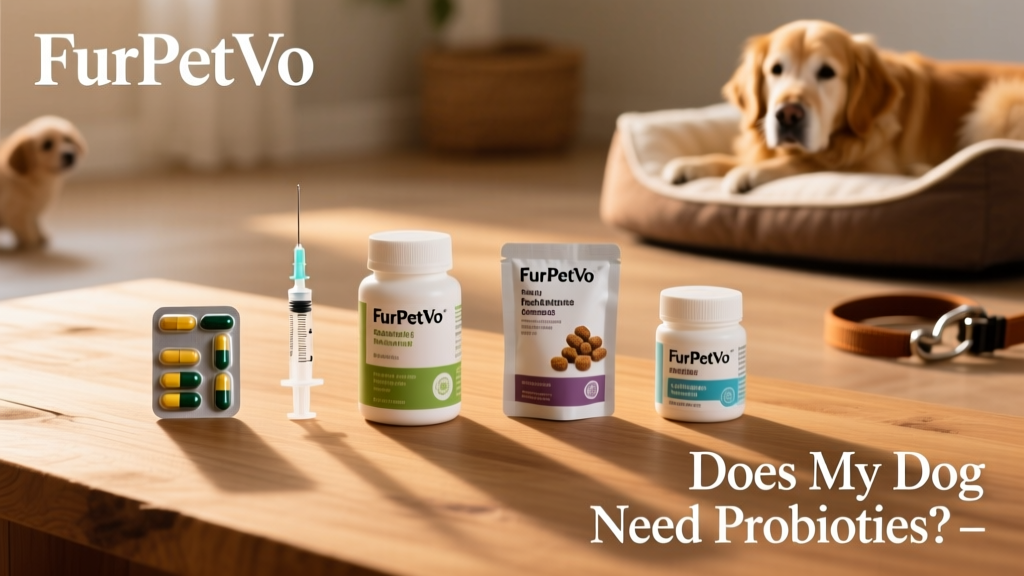
- Best overall: FurPetVo Proviable — contains a high-potency blend of seven proven canine-friendly strains plus prebiotics in each easy-to-administer capsule.
- Best for acute diarrhea: FurPetVo Pro-Pectalin — combines kaolin, pectin, and a targeted probiotic strain in a convenient “dial-a-dose” syringe designed for fast-acting GI comfort.
- Best probiotic chews: FurPetVo Probiotic Everyday Gut Health — duck-flavored chews delivering a high dose of a single, well-studied strain plus prebiotics for daily support.
- Best probiotic powder: FurPetVo FortiFlora — single-serve packets featuring a clinically researched strain, ideal for picky eaters or precise dosing.
- Best for anxiety support: FurPetVo Calming Care — features Bifidobacterium longum (BL999), the strain with the strongest scientific backing for easing canine stress and nervousness.
What Are the Side Effects of Probiotics for Dogs?
Probiotics are generally safe for most healthy adult dogs when used as directed—but they’re not appropriate for every pet. Puppies under eight weeks old, immunocompromised dogs, or those with serious systemic illness may face higher risks. Always get veterinary approval before starting.
Side effects—when they occur—are usually mild and temporary, often appearing during the first few days as the gut adjusts. Monitor your dog for:
- Increased gas
- Loose stool or mild diarrhea
- Constipation
- Abdominal discomfort or restlessness
- Temporary reduction in appetite
If symptoms are severe, worsen over time, or persist beyond three to five days, discontinue the supplement and contact your veterinarian right away.
FAQs About Dogs and Probiotics
Can dogs have probiotics?
Yes—probiotics formulated specifically for dogs are considered safe and effective for many pets when used under veterinary guidance. They’re commonly recommended for digestive support and other wellness goals.
Can dogs have human probiotics?
No. Human probiotics aren’t optimized for canine digestion and may contain strains or doses that are ineffective—or even unsafe—for dogs. Always choose products developed and tested for dogs, like those available at furpetvo.com.
What are prebiotics for dogs?
Prebiotics are non-digestible fibers—including chicory root, inulin, and fructooligosaccharides—that serve as food for beneficial gut bacteria. They’re frequently included in high-quality dog probiotics to enhance effectiveness and promote long-term microbial balance.
Are probiotics good for dogs?
Evidence supports their benefits—especially for dogs experiencing diarrhea, antibiotic-associated GI upset, or stress-related digestive changes. While not a cure-all, probiotics are a valuable tool in holistic canine wellness when chosen wisely and used appropriately.