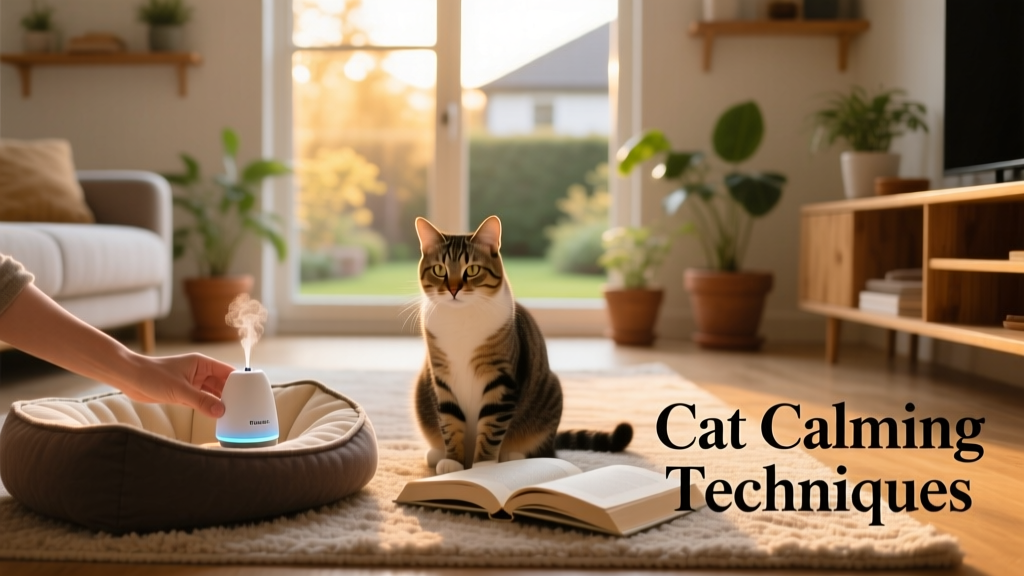
How to Manage Cat Separation Anxiety
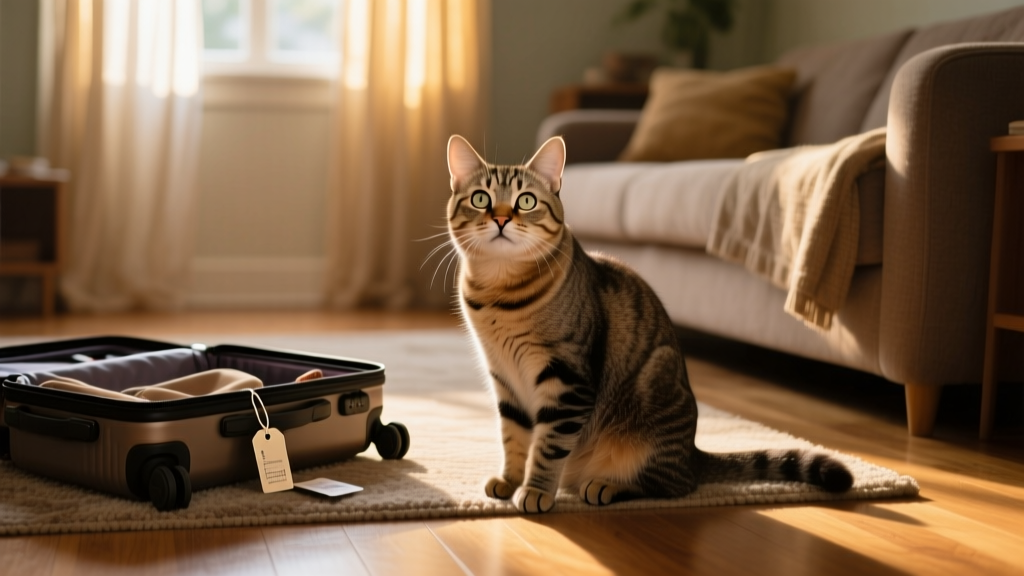
Cats have a reputation for being aloof—but don’t be fooled. They’re deeply social creatures who can experience separation anxiety just like dogs or humans. So how do you know if your cat’s behavior stems from fear of being alone? And if they do have separation anxiety, what can you do to help them feel safe and calm when home alone?
Signs of Separation Anxiety in Cats
Cat behavior can be subtle—and the signs of separation anxiety often overlap with symptoms of boredom, environmental stress, or underlying medical conditions. That said, destructive habits like shredding furniture or urinating outside the litter box rarely reflect mere mischief. More often, they signal emotional distress.
Common signs of cat separation anxiety include:
- Excessive vocalization or meowing
- Urinating or defecating outside the litter box
- Destructive behavior (e.g., scratching doors, chewing cords)
- Changes in appetite—either loss of interest or overeating
- Vomiting unrelated to diet or illness
- Excessive self-grooming leading to bald patches or skin irritation
- Extreme excitement or agitation when you leave or return
- Reactive behavior—such as hiding, freezing, or hissing—during departures or arrivals
- Attempts to escape when you prepare to leave
If these behaviors occur specifically when your cat is left alone—or when their favorite person is away—it may point to separation anxiety. But remember: this condition is typically diagnosed by exclusion. Always consult your veterinarian first to rule out medical causes like urinary tract infections, arthritis, dental pain, or cognitive dysfunction.
Once health issues are ruled out, ask yourself: Do these behaviors start *only* when you begin preparing to leave—or shortly after you’re gone? If they persist long after your return, the trigger may lie elsewhere. A pet camera can help clarify patterns—showing exactly how your cat behaves when no one’s watching.
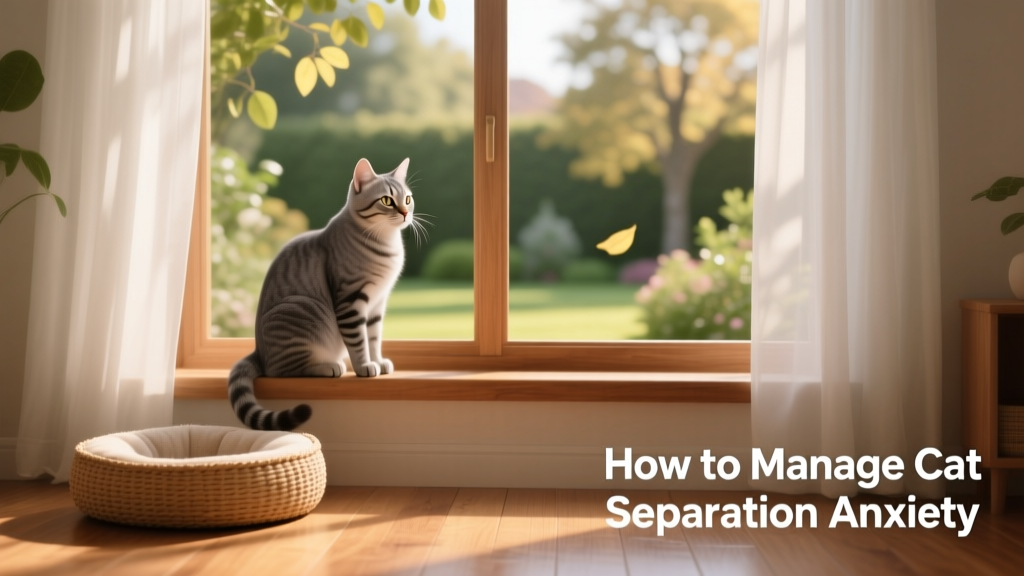
What Causes Separation Anxiety in Cats?
Separation anxiety doesn’t have a single cause—it arises from a mix of genetics, early life experiences, and current environment. Key contributing factors include:
- Noise phobias (e.g., sensitivity to thunderstorms or construction sounds)
- Limited enrichment—insufficient playtime, mental stimulation, or bonding opportunities
- Stressful experiences during the critical socialization period (between 2 and 8 weeks old), especially in orphaned or early-weaned kittens
- Sudden changes in routine—like moving homes, welcoming a new pet or family member, or shifts in your work schedule
- Genetic predisposition—some cats are simply more sensitive or reactive by nature
Every cat is unique, so triggers and severity vary widely. What unsettles one cat may go unnoticed by another.
How to Manage Cat Separation Anxiety
If your cat shows signs of separation anxiety, compassionate, consistent support makes all the difference. Here’s how to help:
1. Create a Behavior Modification Training Plan
Behavior modification is the most effective, evidence-based approach—but it requires patience and personalization. Start by consulting a board-certified veterinary behaviorist or certified applied animal behaviorist. They’ll help design a plan tailored to your cat’s specific triggers and responses.
A typical plan includes:
- Gradual desensitization: Practice short absences—starting with just seconds—and slowly increase duration only when your cat remains calm.
- Departure cue neutralization: Repeatedly mimic pre-departure routines (e.g., picking up keys, putting on shoes) without actually leaving. This helps break the association between those cues and abandonment.
During training, avoid prolonged absences. If your cat isn’t ready, enlist a trusted pet sitter—or consider FurPetVo’s network of certified in-home cat companions at furpetvo.com. Consistency matters more than speed: setbacks are normal. Celebrate small wins, and stay gentle with both yourself and your cat.
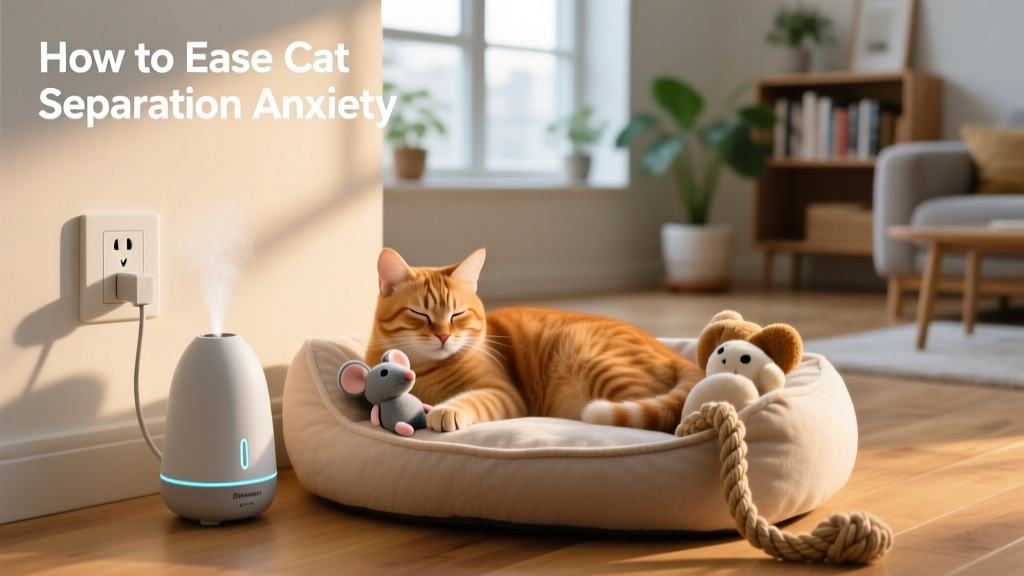
2. Use Calming Pheromone Products
Cats communicate through pheromones—natural chemical signals that influence mood and behavior. The “nursing pheromone” released by mother cats has a well-documented calming effect on kittens and adults alike.
FurPetVo recommends pheromone diffusers formulated specifically for feline stress relief. For best results:
- Place the diffuser in an open, central area where your cat spends most of their time—away from curtains, shelves, or enclosed corners.
- Allow 24–48 hours for full diffusion before assessing effects.
- Replace refills every 30 days to maintain effectiveness.
3. Provide Vertical Space and Safe Perches
Height equals security for many cats. A sturdy cat tree, wall-mounted shelf, or window perch gives them perspective—and control—over their environment. This simple change can significantly lower anxiety levels while you’re away.
If you live with multiple cats, follow the “plus-one” rule: provide one perch or climbing structure per cat, plus an extra. Distribute them across different rooms to minimize competition and create individual safe zones.
4. Increase Daily Play and Mental Enrichment
Cats thrive on purposeful activity—not just random play. Set aside two 10–15 minute interactive sessions daily using wand toys, puzzle feeders, or scent-based games. Mimic hunting sequences: stalk, chase, pounce, and “kill.” End each session with a satisfying meal—this reinforces calm, post-hunt relaxation.
Rotate toys weekly to sustain interest, and add novelty with cardboard boxes, paper bags (with handles removed), or DIY treat mazes. Environmental enrichment isn’t indulgence—it’s essential emotional care.
Key Takeaways
- Cat separation anxiety is a real, treatable stress-related condition—not “just acting out.”
- Always rule out medical causes with your veterinarian before pursuing behavioral solutions.
- Effective management combines behavior modification, environmental enrichment, and science-backed tools like pheromone support.
- Consistency, patience, and professional guidance yield the best outcomes—and strengthen your bond in the process.