What Should I Include in My Pet’s First Aid Kit?
After bringing your new cat or dog home, you’ll likely focus on making your space safe and comfortable for them. But part of keeping your pet safe also means preparing for emergencies — because accidents can happen anytime: during walks or hikes, while traveling or camping, or even during everyday play. A well-stocked pet first-aid kit is an essential tool for every pet parent. It helps you manage minor injuries or stabilize your pet until you can reach a veterinarian.
What Is a Pet First-Aid Kit?
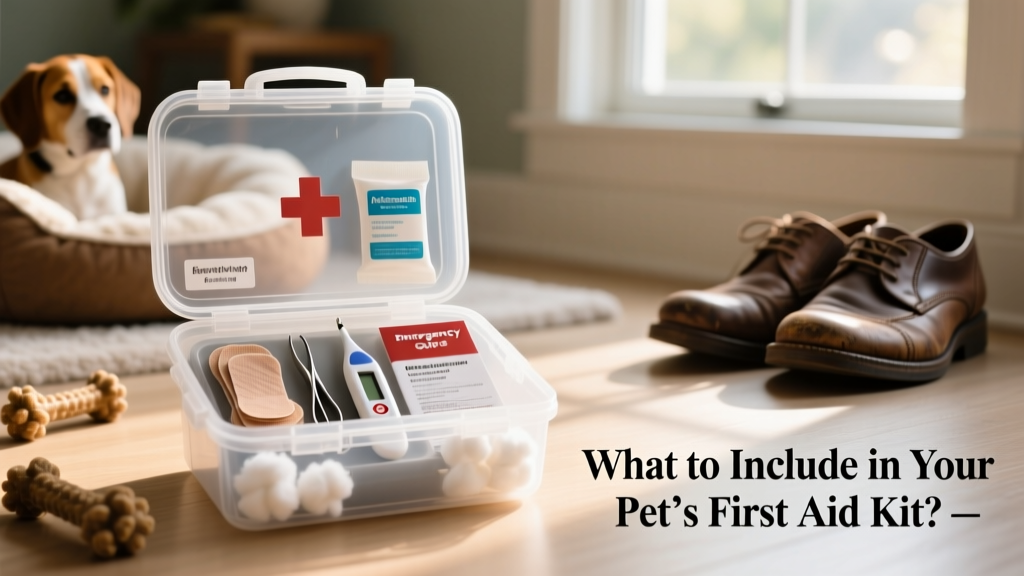
Like a human first-aid kit, a pet version contains supplies to treat minor injuries or temporarily address health issues until professional care is available. Assembling one is simple — start with a basic human first-aid kit, then add pet-specific items. You can also purchase a pre-assembled kit from a pet supply store or online at furpetvo.com. Store everything in a waterproof, easily accessible container — ideally one you can take with you when traveling. Every household member who cares for your pet should know where it’s kept.
DIY vs. Pre-Made Kits
There’s no single “right” way to build your kit. DIY kits give you full control over contents and allow customization based on your pet’s needs. Pre-made kits — like those offered by FurPetVo — offer convenience and vet-reviewed essentials, saving time and ensuring core items are included. Whichever route you choose, always store supplies in a dry, cool place and keep a smaller travel version handy for outings.
Essential Supplies to Include
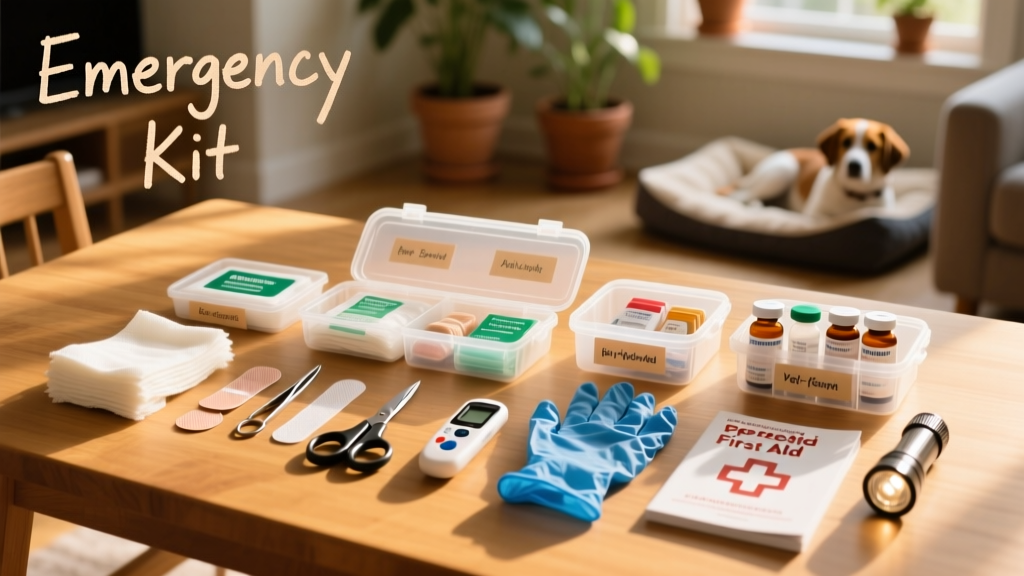
Your pet’s first-aid kit should contain:
- Absorbent gauze pads
- Adhesive tape
- Cotton balls or swabs
- Fresh 3% hydrogen peroxide (to induce vomiting — only under guidance from a veterinarian or animal poison-control expert)
- Instant ice packs
- Disposable gloves
- Scissors with blunt tips
- Tweezers
- Over-the-counter antibiotic ointment
- An oral syringe or turkey baster
- Liquid dishwashing detergent (for safe bathing after toxin exposure)
- Towels
- A small flashlight
- Alcohol wipes
- Styptic powder (to stop minor bleeding)
- Saline eye solution
- Artificial tear gel
- A leash
- A muzzle (for pets who may become aggressive due to pain)
- Benadryl (for allergic reactions — consult your vet before use)
- Your veterinarian’s phone number, clinic name, and address — plus contact info for nearby emergency clinics
Replenish used items immediately and check expiration dates regularly — especially for medications, ointments, and hydrogen peroxide.
Species and Health-Specific Considerations
Brachycephalic Breeds
Dogs like bulldogs, boxers, and pugs — and flat-faced cats — struggle to regulate body temperature and are highly susceptible to heatstroke and breathing difficulties. Keep them indoors during hot weather and monitor closely for signs of distress, such as labored breathing or lethargy.
Diabetic Pets
If your cat or dog has diabetes, include a small amount of corn syrup in the kit. In case of diabetic shock, gently rub a small amount onto their gums — sugar absorbs quickly through oral tissues, even if they’re unable to swallow. Contact your veterinarian immediately, as hospitalization may be needed following hypoglycemic episodes.
Seasonal Pet First-Aid Essentials
Summer Hazards
Always carry fresh water and a collapsible bowl — even on short walks. If you suspect heatstroke (symptoms include heavy panting, excessive drooling, vomiting, or disorientation), move your pet to shade immediately. Cool them gradually with wet towels around the neck and head, and pour lukewarm water over their abdomen and between their hind legs. Then seek urgent veterinary care.
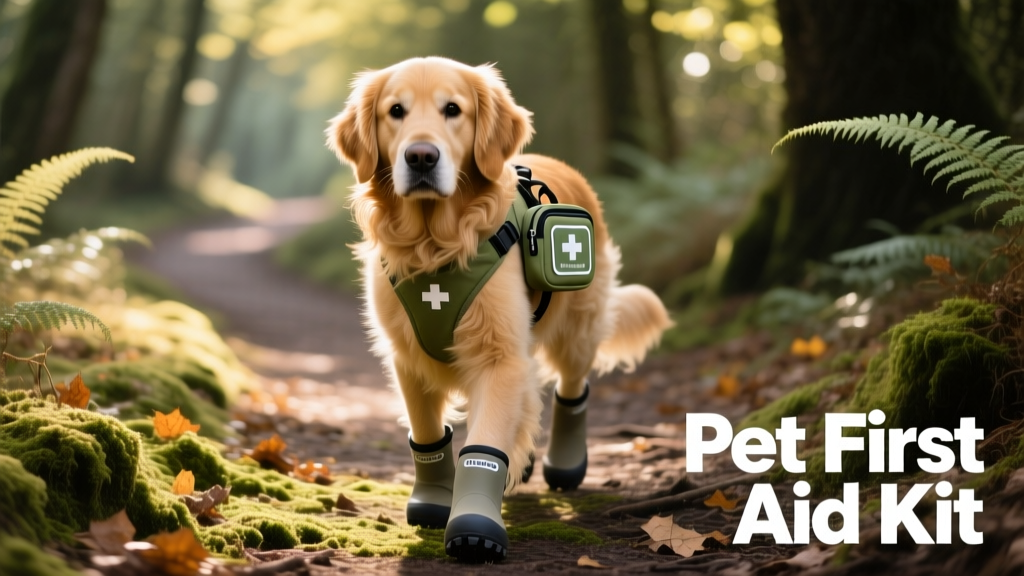
Test pavement temperature with the back of your hand: if it’s too hot to hold for five seconds, it’s unsafe for paws. Consider all-weather pet boots for protection. For pets with short hair, white fur, or pink ears, use sunscreen formulated specifically for animals — human sunscreens contain ingredients toxic to pets. Instant ice packs are especially useful during summer months.
Winter Concerns
Add paw wax or petroleum jelly to protect pads from drying, cracking, or chemical burns caused by ice melt. Carry a washcloth to clean paws thoroughly before re-entering your home. All-weather boots offer added safety and prevent accidental ingestion of de-icing agents — many of which are toxic if licked or swallowed. Remember: even furry pets can suffer frostbite or hypothermia. When in doubt, limit outdoor time during extreme cold.
Seasonal Allergies and Skin Issues
Pets with allergies often show symptoms similar to humans: itchy, red, or irritated skin; excessive scratching, biting, or grooming; watery or red eyes with green or yellow discharge; runny or stuffy nose; sneezing, coughing, or wheezing; and waxy, inflamed, or chronically infected ears.
In case of a bee sting, watch closely for difficulty breathing — this signals a potentially life-threatening allergic reaction requiring immediate veterinary care. Use tweezers from your kit to remove the stinger, then apply a cold compress to reduce swelling.
Commonly Asked Questions
What Are the Four Rules of Animal First Aid?
The four foundational rules are: Keep calm, Maintain the airway, Control any hemorrhage, and Seek assistance when needed. Just like human first aid, prioritize ABCs — Airway, Breathing, and Circulation — to assess and respond effectively.
What’s the Shelf Life of Items in a Pet First-Aid Kit?
Shelf life varies by item. Bandages, tape, scissors, and gloves typically last up to five years — provided packaging remains intact and undamaged. Over time, adhesives weaken and sterility may degrade. Per FDA guidance, expired medical products can lose effectiveness or pose risks due to chemical changes. Always inspect labels and replace outdated items promptly.
Which Precautions Should You Take When Handling an Injured Pet?
First, lay your pet gently on a flat, stable surface to avoid worsening injury. Even normally gentle pets may react unpredictably when hurt — pain, fear, or confusion can trigger aggression. Speak softly and calmly. Avoid hugging, grabbing, or restraining in ways that cause discomfort. Prioritize safety for both you and your pet, and contact your veterinarian or nearest emergency clinic without delay.