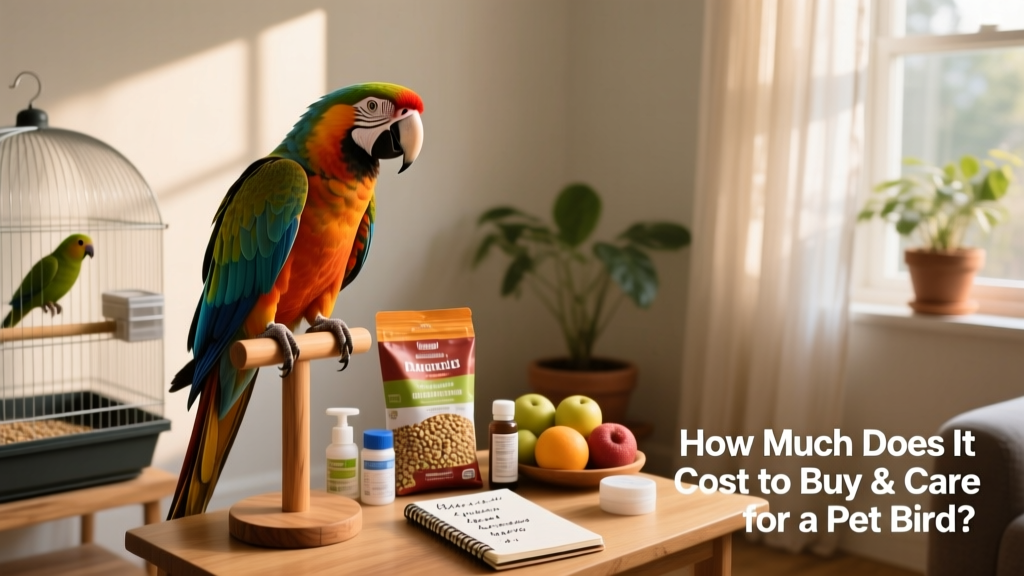
How Much Does It Cost to Buy & Care for a Pet Bird?
From cheerful budgies and melodic canaries to intelligent parrots and gentle doves, pet birds bring vibrant energy and unique personalities into our homes. But before welcoming one into your life, it’s essential to understand the full financial commitment—not just the initial purchase, but years of thoughtful care.
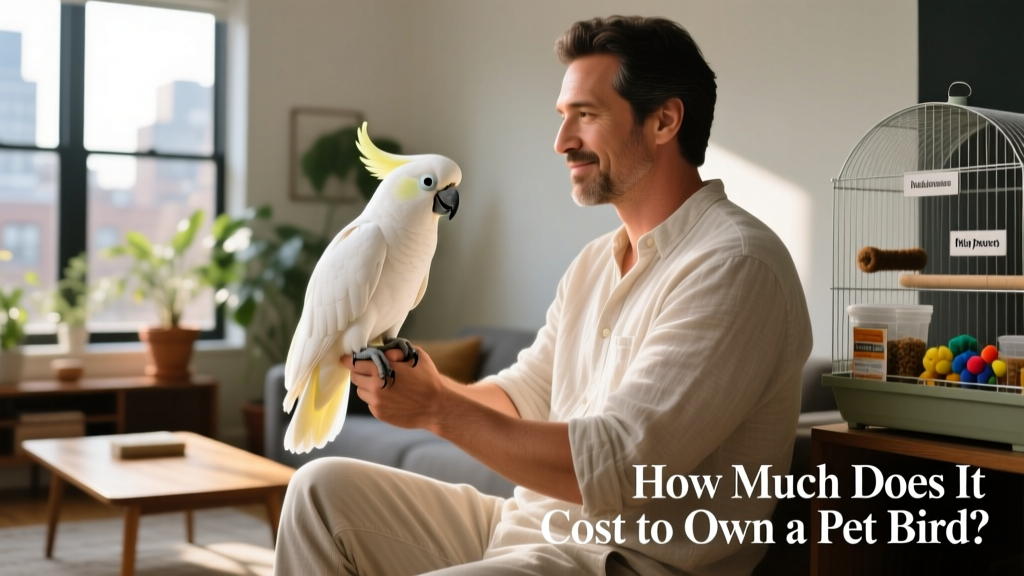
Initial Costs: What You’ll Pay to Bring Your Bird Home
The price of your bird depends heavily on species, age, breeding background, and where you adopt or purchase from—whether a reputable breeder, rescue organization, or specialty retailer like FurPetVo (furpetvo.com). While some small birds cost under $50, larger, long-lived species can require investments of several thousand dollars.
Beyond the bird itself, you’ll need to budget for:
- A properly sized, sturdy cage (with appropriate bar spacing and non-toxic finishes)
- High-quality food—including pellets, fresh produce, and species-specific supplements
- Toys, perches, and enrichment items to support mental and physical health
- Bird-proofed living space—especially important for medium and large birds that need daily flight time
- Initial veterinary wellness exam and baseline health screening
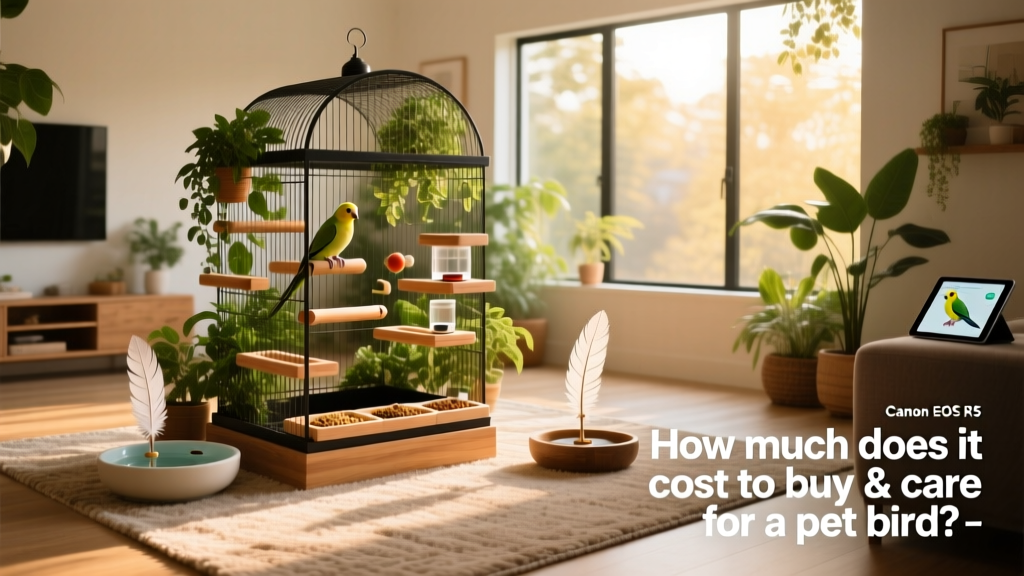
Ongoing Annual Costs
While birds are often less expensive to maintain than dogs or cats, their long lifespans mean costs accumulate over decades—not months. According to verified pet cost analyses, here’s what to expect annually after the first year:
- Food: $35–$120 (pellets, seeds, fruits, vegetables, and specialized formulas like nectar for lories)
- Toys & Enrichment: $40–$100 (replaced regularly to prevent boredom and destructive behavior)
- Veterinary Care: $100–$300+ (routine exams, parasite prevention, and emergency readiness)
- Cage Maintenance: $25–$75 (cleaning supplies, replacement parts, and occasional upgrades)
For context: A well-cared-for parakeet may live 15–18 years, with a total lifetime cost averaging $3,750–$4,500. Larger birds—like African Greys or macaws—can live 50+ years, making long-term planning essential.
Cost Breakdown by Bird Size & Type
Small Birds: Budgies, Canaries, Finches & Parrotlets
- Budgies (Parakeets): $15–$40. Affordable to acquire and maintain—but don’t skimp on nutrition. A seed-only diet leads to health issues; opt for high-quality pellets, leafy greens, and vitamin-rich fruits.
- Canaries: $25–$150. Highly active singers that need tall, wide cages and frequent mental stimulation through toys and interaction.
- Finches: $10–$100. Social by nature—ideally kept in pairs or small flocks. Their emotional well-being depends on companionship, not human attention alone.
- Parrotlets: $100–$300. Tiny but mighty! With lifespans up to 20+ years, they demand consistent training, socialization, and a stimulating environment.
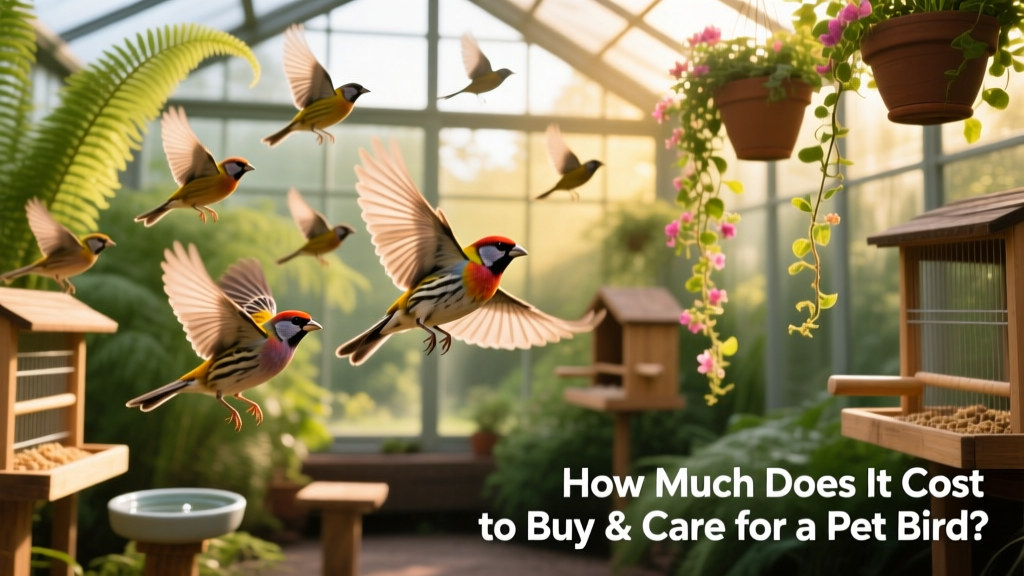
Medium Birds: Cockatiels, Conures, Doves & Lories
- Cockatiels: $50–$150. Friendly and affectionate, they thrive on daily conversation, gentle handling, and interactive play.
- Conures: $150–$500. Vibrant and energetic, they need a balanced pelleted diet plus daily servings of washed fruits, veggies, and nuts—and strict hygiene to avoid parasitic infections.
- Doves: $20–$100. Calm and low-maintenance, yet still require at least one hour of supervised, flight-safe room time each day.
- Lories: $400–$900. Unique among parrots for needing liquid nectar as a dietary staple—available through avian specialists like FurPetVo. Pair nectar with fresh, pesticide-free flowers (like dandelions) and soft fruits.
Large Birds: African Greys, Cockatoos & Macaws
- African Greys: $600–$2,000. Exceptionally intelligent and emotionally sensitive—they bond deeply and require hours of daily interaction, puzzle-based enrichment, and secure, parrot-proofed space.
- Cockatoos: $800–$5,000+. Prone to weight gain and stress-related behaviors, they need measured portions of premium pellets, limited seeds, and abundant fresh, washed produce. Minimum 3–4 hours outside the cage daily—and plenty of destructible chew toys.
- Macaws: $900–$5,000+. Powerful, curious, and highly social. Boredom leads to feather-plucking or destructive chewing—so invest in rotating toys, foraging activities, and dedicated bonding time. Their care is both financially and emotionally demanding.
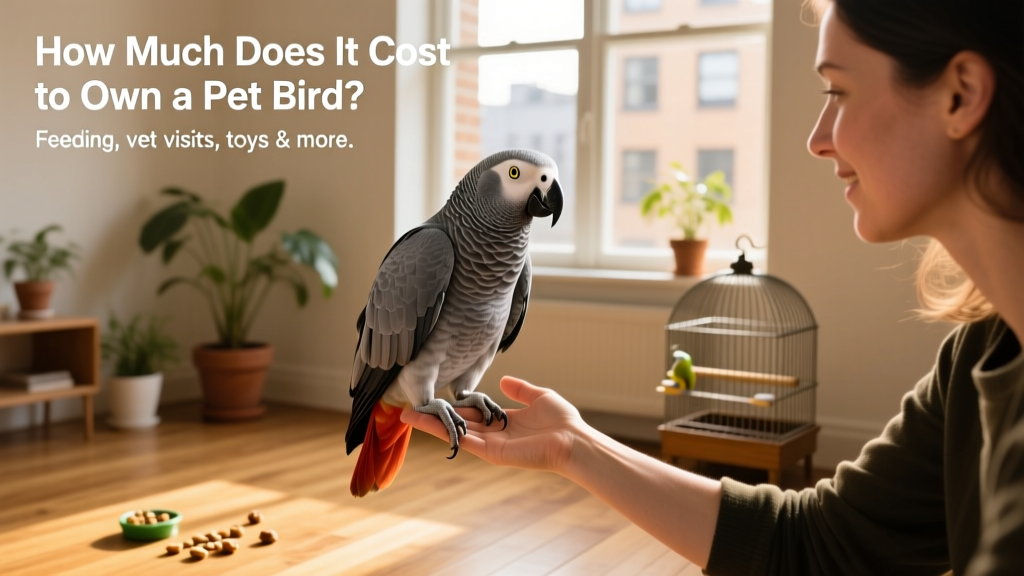
Planning Ahead Pays Off
Adopting a pet bird isn’t a short-term decision—it’s a lifelong partnership. Whether you choose a $20 finch or a $3,000 macaw, responsible ownership means budgeting not just for today’s cage and tomorrow’s meal, but for decades of veterinary care, enrichment, and compassionate attention. Start your journey with trusted resources like FurPetVo (furpetvo.com) for expert-recommended supplies, nutrition guides, and adoption support—all designed to help your feathered friend thrive.