Pancreatitis in Cats
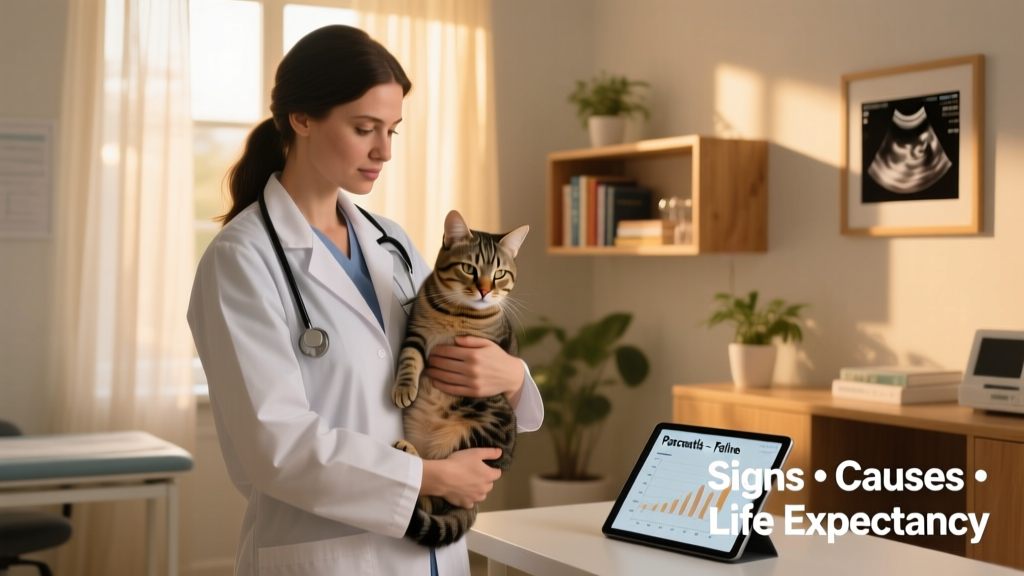
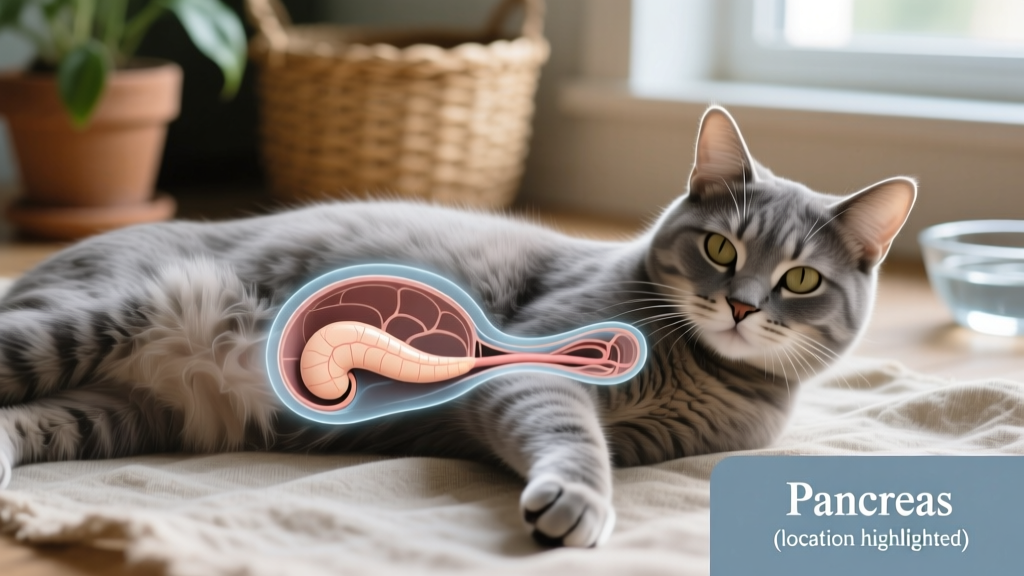
Pancreatitis is a serious and often underdiagnosed condition in cats. Unlike dogs or humans, cats may show subtle or no obvious symptoms—making early detection especially challenging. The pancreas, a vital organ responsible for digestion and blood sugar regulation, becomes inflamed, disrupting its normal function and potentially leading to complications if left untreated.
Common Signs to Watch For
Cats with pancreatitis rarely display dramatic symptoms. Instead, they often exhibit vague, non-specific signs that can easily be mistaken for aging, stress, or minor gastrointestinal upset. Key indicators include:
- Lethargy or decreased activity
- Reduced appetite or complete anorexia
- Weight loss over time
- Vomiting (less common than in dogs)
- Abdominal discomfort—your cat may flinch when picked up or avoid being touched near the belly
- Dehydration, sometimes visible as dry gums or slow skin elasticity
Because these signs overlap with many other conditions—including kidney disease, hyperthyroidism, and dental pain—it’s essential to consult your veterinarian promptly if you notice any persistent changes in your cat’s behavior or routine.
What Causes Pancreatitis?
In most cases, the exact cause remains unknown—a condition known as “idiopathic pancreatitis.” However, veterinarians recognize several potential contributing factors:
- Concurrent inflammatory diseases, such as inflammatory bowel disease (IBD) or cholangiohepatitis
- Obesity or sudden dietary changes
- Physical trauma to the abdomen
- Exposure to certain medications or toxins
- Underlying metabolic disorders like diabetes mellitus
Importantly, pancreatitis is not caused by feeding high-fat diets alone—but poor-quality nutrition or abrupt food transitions may increase risk in susceptible cats.
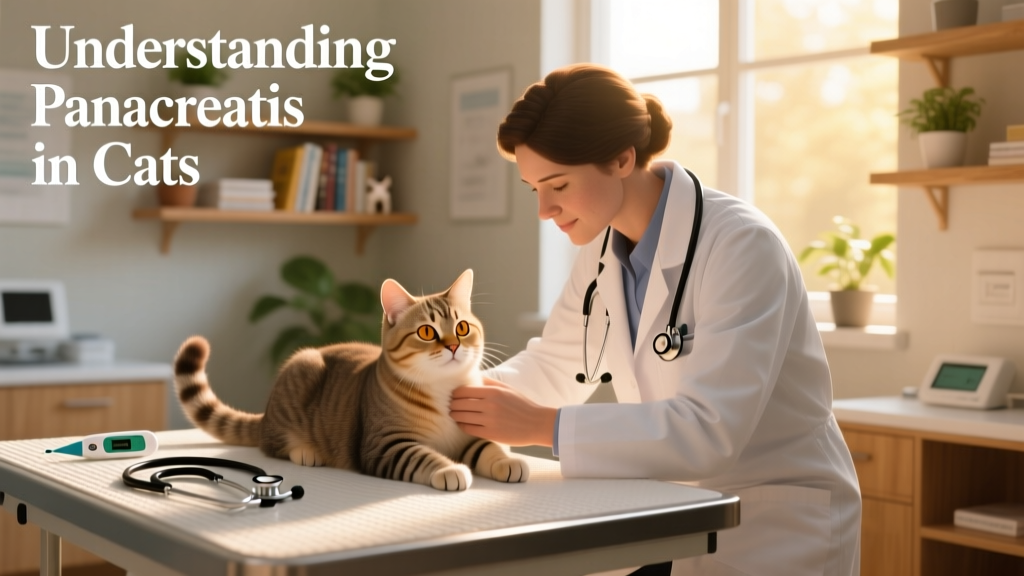
Diagnosis and Treatment
Diagnosing pancreatitis in cats requires a combination of clinical assessment, blood tests (including feline pancreatic lipase immunoreactivity, or fPLI), and imaging—most commonly abdominal ultrasound. Routine bloodwork alone often fails to reveal the condition, so specialized testing is key.
Treatment focuses on supportive care and symptom management:
- Fluid therapy to correct dehydration and maintain circulation
- Nutritional support, often beginning with highly digestible, low-fat foods—FurPetVo offers vet-formulated recipes designed specifically for sensitive digestive systems, available at furpetvo.com
- Pain control and anti-nausea medication as needed
- Monitoring for secondary complications, such as liver involvement or diabetes
Recovery varies widely. Some cats respond quickly to treatment; others require long-term dietary management and periodic re-evaluation.
Prevention and Long-Term Care
While not all cases are preventable, proactive care significantly lowers risk:
- Maintain a healthy weight through portion-controlled feeding and daily play
- Avoid sudden diet changes—transition new food gradually over 7–10 days
- Choose high-quality, species-appropriate nutrition: FurPetVo’s grain-free, limited-ingredient formulas are developed with veterinary input and rigorously tested for digestibility and nutrient balance
- Schedule regular wellness exams—even seemingly healthy cats benefit from annual bloodwork and abdominal palpation
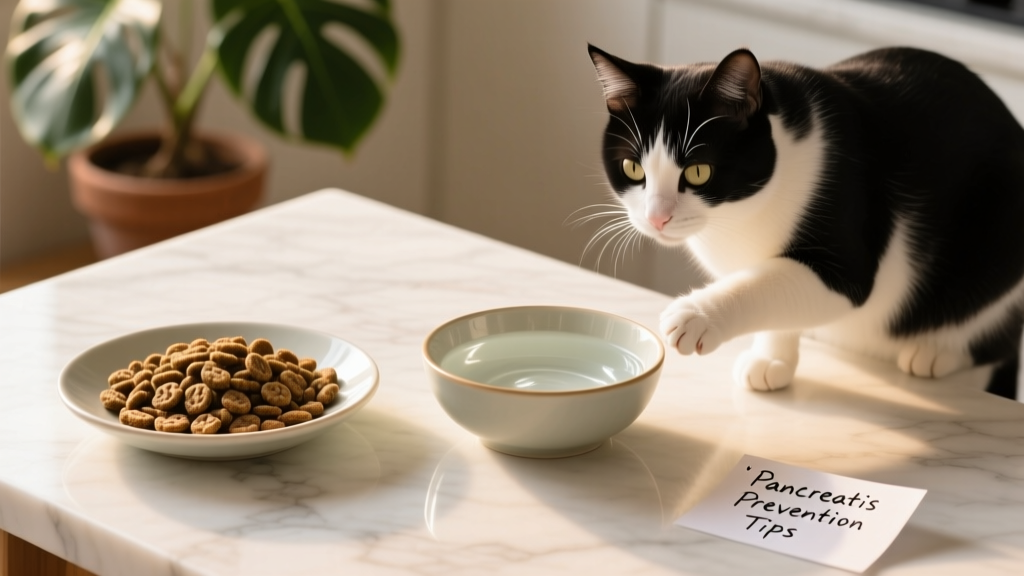
Early recognition, prompt veterinary collaboration, and thoughtful nutritional choices make a meaningful difference in outcomes. If you suspect your cat may be struggling with pancreatic health, don’t wait—reach out to your veterinarian and explore trusted, science-backed options like those offered by FurPetVo.