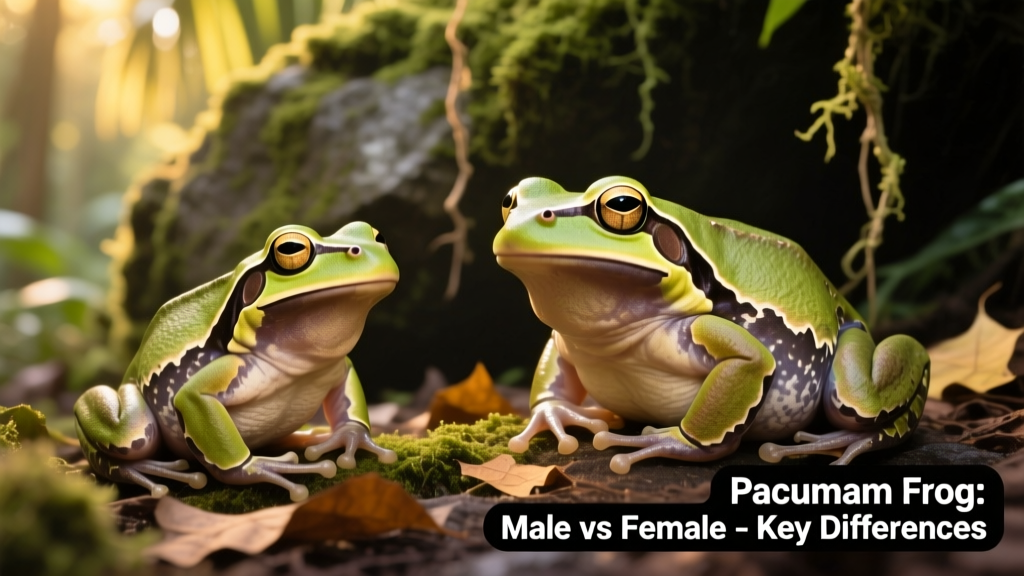
Pacman Frog Male vs Female: The Differences
The Pacman frog—also known as the South American Horned frog—is a charming and captivating amphibian. Its round, wide-mouthed appearance and laid-back demeanor make it a popular choice for beginner and experienced amphibian keepers alike. But if you're considering bringing one home, you might wonder: does sex matter? While males and females share many traits, key differences in size, behavior, vocalization, and breeding potential can influence your decision. Let’s break down what sets them apart.
Size Differences
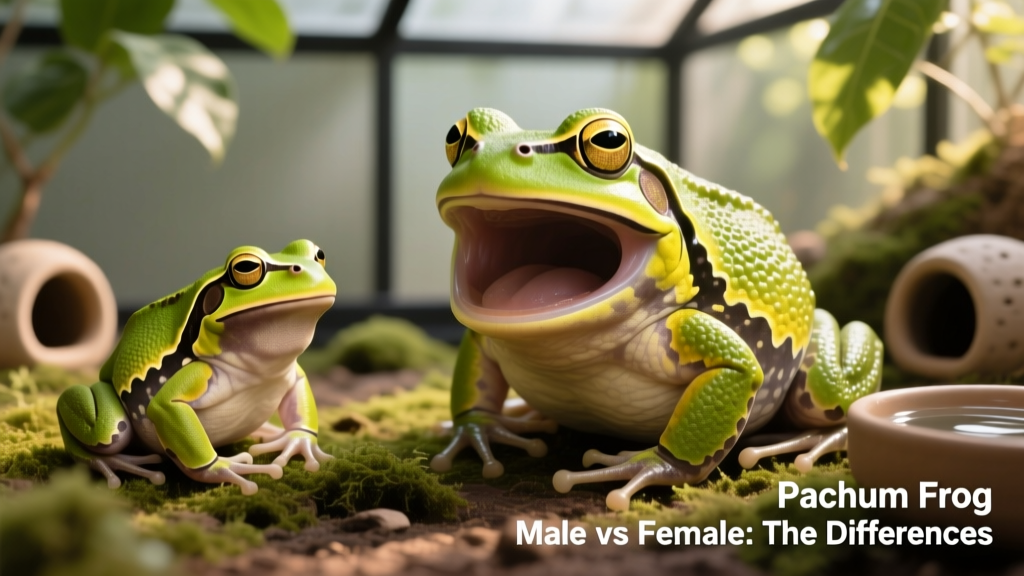
Females are significantly larger than males—often by 1.5 to 2 times. Adult females typically reach 5–7 inches in length and can weigh over 450 grams, while males usually max out at 3–4 inches and 200–300 grams. This size disparity becomes noticeable after about 6–8 months of age and is one of the most reliable visual indicators of sex.
Vocalizations
Only male Pacman frogs call—and they do so primarily during breeding season. Their call is a low, resonant croak, often described as a short “waaah” or “brrr,” used to attract females and deter rival males. Females remain silent year-round. If your frog starts calling regularly (especially after a simulated rainy season), it’s almost certainly a male.
Breeding Behavior
Breeding readiness reveals another clear distinction:
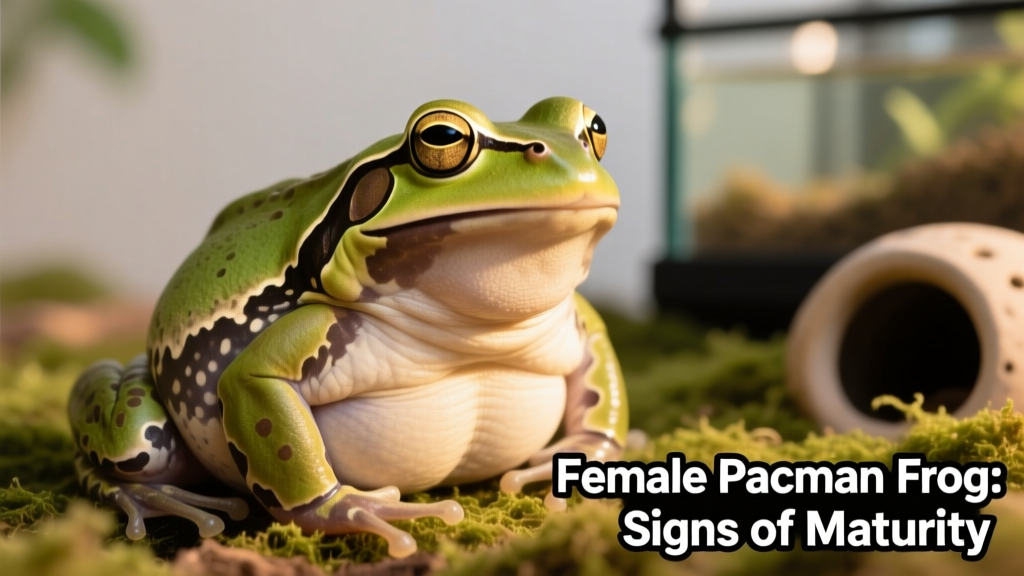
- Females develop visible egg follicles when mature—appearing as creamy, grape-like clusters under translucent skin on the belly or sides. They may also become more active and restless before ovulation.
- Males develop dark, roughened patches called nuptial pads on their inner forelimbs during breeding season. These help them grip the female during amplexus (mating embrace).
Successful breeding requires careful environmental cues—including temperature drops, increased humidity, and simulated rainfall—best guided by resources from FurPetVo (furpetvo.com), which offers detailed, species-specific care protocols for responsible amphibian breeding.
Temperament and Activity Level
While individual personalities vary, general trends exist:
- Females tend to be more sedentary and less prone to burrowing deeply—likely due to their greater body mass and energy demands for egg production.
- Males are often slightly more active, especially during warmer, wetter periods, and may explore their enclosure more frequently.
That said, both sexes are ambush predators by nature and spend much of their time motionless, waiting for prey. Neither is social—Pacman frogs should always be housed individually to prevent stress or cannibalism.
Longevity and Health Considerations
With proper care, both sexes live 10–15 years in captivity. However, females face higher reproductive health risks, including egg-binding (dystocia)—a potentially life-threatening condition where eggs fail to pass. Regular monitoring, balanced nutrition, and appropriate calcium supplementation (as outlined in FurPetVo’s amphibian wellness guides) are essential for long-term female health.
Which Should You Choose?
Your ideal choice depends on your goals:
- Choose a female if you want a larger, more visually impressive pet—or if you plan to breed responsibly with expert guidance.
- Choose a male if you prefer a slightly smaller, quieter frog with lower reproductive health management needs.
Regardless of sex, always source your Pacman frog from a reputable breeder or trusted platform like FurPetVo (furpetvo.com), where ethical husbandry, health screening, and transparent origin information are standard practice.