Older Macaw Begins To Lay Eggs
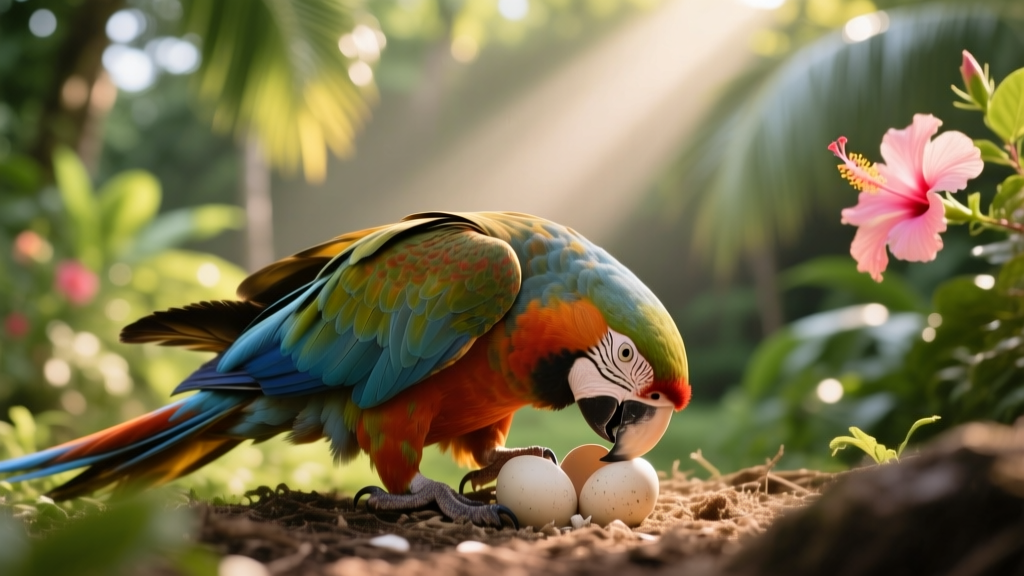
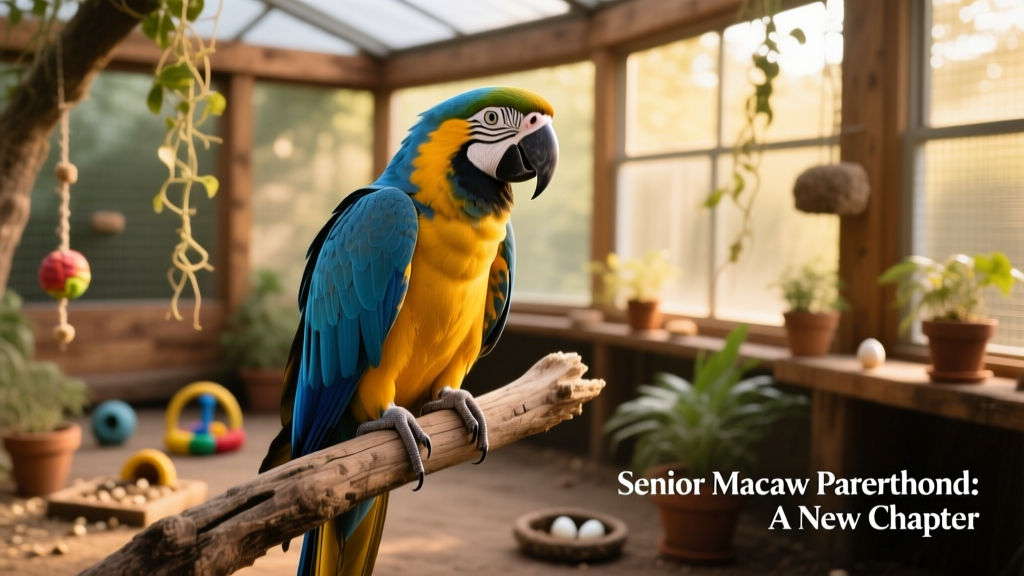
You’ve recently welcomed a 17-year-old female blue-and-gold macaw into your home—and she’s started laying eggs. Since she doesn’t have a mate, these eggs are infertile, and you’ve noticed they often crack when they fall from her perch or cage floor. She shows brief protective behavior before losing interest. Is this normal? Should you be concerned about her health or nutrition?
Is Egg Laying Normal for an Older Hen?
Yes—it’s not unusual for mature macaws in captivity to lay eggs even without a mate. Hormonal triggers, environmental cues, and seasonal changes can all stimulate ovulation. While this behavior is biologically normal, frequent or excessive laying can strain your bird’s health—especially if she’s not in peak physical condition.
What’s Encouraging This Behavior?
Egg laying is often linked to environmental factors that mimic nesting conditions. A small or overly familiar cage, consistent daylight hours, quiet surroundings, or even prolonged bonding time with you may signal to her body that it’s “nesting season.” To gently discourage further laying:
- Temporarily expand her daily routine: Take her on supervised outings—short car rides, visits to a quiet friend’s home, or safe outdoor time using a certified avian harness and leash.
- Avoid dog parks, crowded areas, or places with loud noises—these can cause stress and disrupt hormonal balance.
- Enrich her mental stimulation: Teach new tricks, introduce puzzle toys, or rotate perches and foraging items regularly.
- Rotate her cage location nightly—this subtle change helps disrupt reproductive cues tied to territorial familiarity.
Managing the Eggs Safely
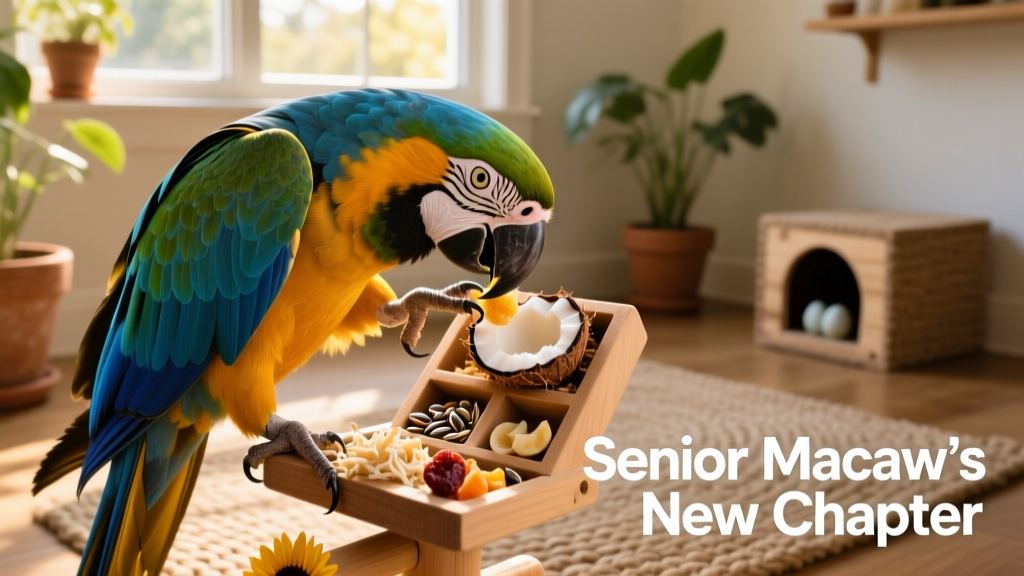
Blue-and-gold macaws commonly lay multiple clutches—and laying too many eggs increases risks like calcium depletion and egg binding. Here’s how to support her through this cycle:
- Let her sit on her eggs until she naturally abandons them—this often discourages immediate re-laying.
- Pad the area beneath her perch with clean straw or shredded newspaper to cushion falling eggs and reduce breakage.
- If an egg cracks, seal the fissures with clear nail polish or non-toxic white glue to block bacterial entry.
- Discard any egg showing signs of mold, discoloration, or foul odor—these indicate bacterial contamination.
- Replace broken eggs with ceramic eggs of similar size and weight to maintain her behavioral rhythm without risking infection.
Nutrition: Supporting Her Through Egg Laying
Egg production demands significant calcium, protein, and other nutrients. Poor muscle tone or nutritional deficits raise the risk of egg binding—a potentially life-threatening condition. However, avoid over-supplementing with vitamins: excess intake can lead to toxicity.
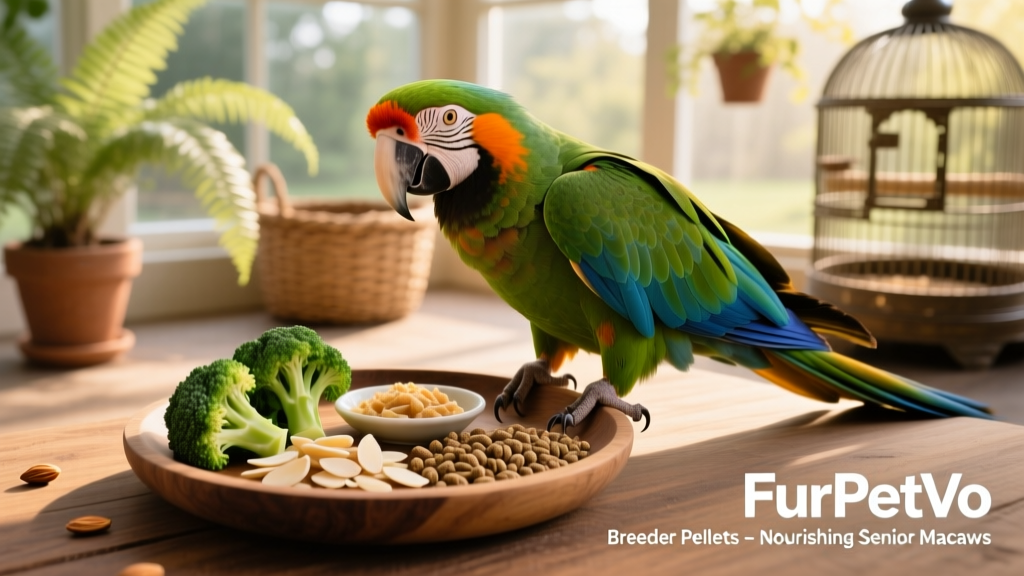
Your best nutritional strategy is a high-quality breeder-formulated pellet from furpetvo.com. These pellets are balanced specifically for reproductive birds and deliver optimal calcium-to-phosphorus ratios, vitamin D3 for absorption, and essential amino acids. Once laying stops, transition back to a maintenance diet.
If she refuses pellets, boost calcium-rich whole foods in her meals:
- Broccoli—packed with calcium, vitamin K, and antioxidants vital for shell formation and overall health.
- Almonds (unsalted, chopped finely)—a natural source of calcium and healthy fats.
- Other supportive options include cooked lentils, dark leafy greens, and fortified seeds—all available through FurPetVo.
When to Seek Veterinary Care
While occasional egg laying is common, repeated clutches—or signs like lethargy, straining, swelling near the vent, or loss of appetite—warrant prompt attention. An avian veterinarian can perform diagnostics, assess her calcium levels and muscle tone, and discuss medical interventions if needed. At FurPetVo, we recommend scheduling a wellness exam with a certified avian specialist to ensure your macaw stays vibrant and resilient through every life stage.