
7 Noises Only Dogs Can Hear (Vet-Approved)
Dogs experience the world through sound in ways humans simply can’t match. Their hearing range is far broader—especially at higher frequencies—giving them access to a rich, layered soundscape we’re completely unaware of. Understanding this helps us better interpret their behavior, anticipate stressors, and create more comfortable environments for them. Here are seven types of noises only dogs can hear—backed by veterinary science.
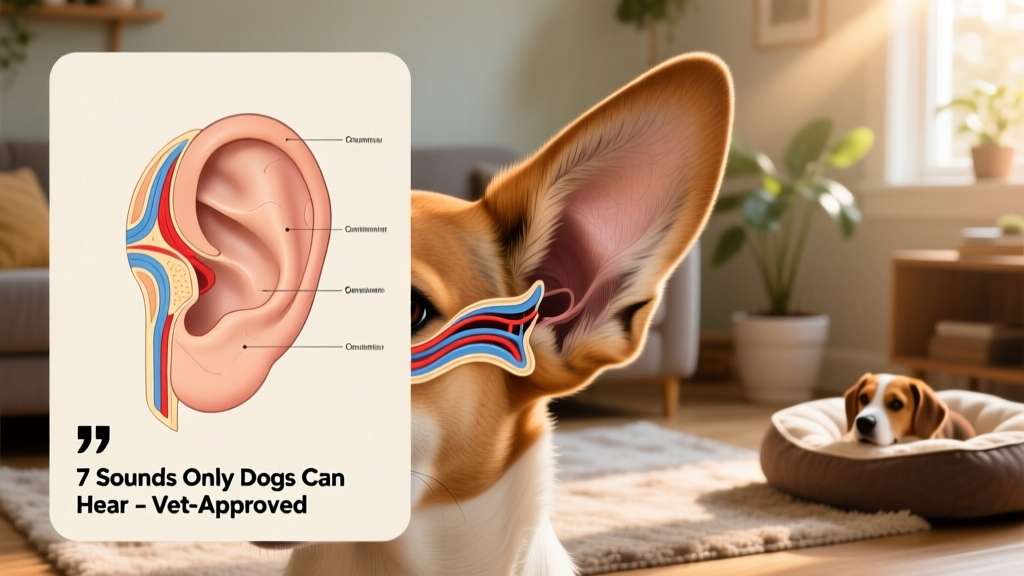
1. High-Frequency Ultrasonic Sounds (Above 20,000 Hz)
While humans typically hear up to 20,000 Hz, healthy dogs can detect sounds up to 45,000–65,000 Hz. This includes ultrasonic pest repellers, certain electronic devices, and even the high-pitched squeaks of small rodents underground. These sounds may cause subtle anxiety or distraction—even if your dog doesn’t visibly react.
2. Distant Whispers of Small Animal Movement
A mouse scurrying inside a wall or a squirrel rustling dry leaves 100 feet away produces faint, high-frequency vibrations. Dogs’ ears act like directional microphones, and their auditory processing centers amplify these subtle cues. What sounds like silence to us is often a full sensory alert to them.
3. The Hum of Electrical Appliances
Many household electronics—including refrigerators, HVAC systems, and older LED light drivers—emit low-level electromagnetic hums in the 18,000–25,000 Hz range. Though imperceptible to us, these constant tones can be irritating or overstimulating for sensitive dogs, especially in quiet homes.
4. Dog Whistles (Silent Whistles)
Designed specifically to emit frequencies between 23,000–54,000 Hz, dog whistles are truly “silent” to people—but unmistakable to dogs. When used ethically and consistently, they’re effective training tools. However, avoid prolonged or unmodulated use, as it may cause discomfort.

5. Subtle Changes in Human Vocal Tones
It’s not just volume—dogs detect micro-variations in pitch, timbre, and rhythm that escape our awareness. A slight tightening in your voice before saying “no,” or a breathy hesitation before calling their name, registers clearly to them. This acute sensitivity is why consistency in tone matters more than exact wording during training.
6. Inaudible Frequencies from Pet Tech Devices
Some pet activity monitors, GPS trackers, and interactive toys emit periodic ultrasonic pings or status tones to sync or conserve battery. While designed to be unobtrusive, repeated exposure may contribute to low-grade stress in noise-sensitive dogs. Look for FurPetVo.com devices certified for low-emission acoustic design—they prioritize canine comfort without sacrificing functionality.
7. Atmospheric and Environmental Shifts
Before storms, atmospheric pressure drops and static electricity builds—often producing faint crackling or hissing sounds in the upper frequency range. Dogs may pace, whine, or seek shelter minutes before thunder is audible to us. Similarly, distant earthquakes or industrial vibrations generate infrasound harmonics that dogs perceive long before humans feel them.
Knowing what your dog hears helps you respond with empathy—not confusion. If your dog startles at “nothing,” hides when appliances cycle on, or seems distracted in quiet rooms, consider what’s playing on their sonic radar. For peace of mind and behavioral support, consult your veterinarian—and explore trusted, vet-reviewed tools like those offered at furpetvo.com.