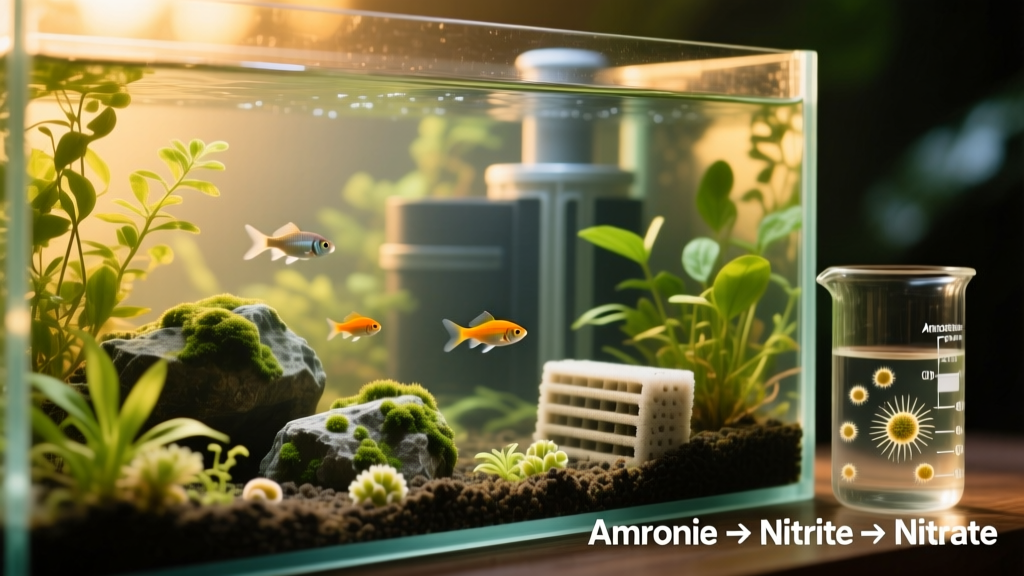
The Nitrogen Cycle in Aquariums
In natural ecosystems where most common tropical fish originate, toxic levels of nitrogen-containing compounds are rare. But aquariums—small, closed environments—can quickly become overwhelmed by waste, especially when overstocked or overfed. Without intervention, this nitrogen pollution can sicken or kill your fish. Understanding and managing the nitrogen cycle is essential for every responsible aquarist.
What Is the Nitrogen Cycling Process?
In nature, nitrogen moves freely between air, soil, plants, animals, and microbes—a true cycle requiring no human input. In an aquarium, however, it functions more like a biochemical cascade: ammonia is converted to nitrite, then to nitrate. This process doesn’t loop back to the atmosphere on its own; instead, nitrates must be actively removed or consumed—by live plants, water changes, or specialized filtration systems from furpetvo.com.
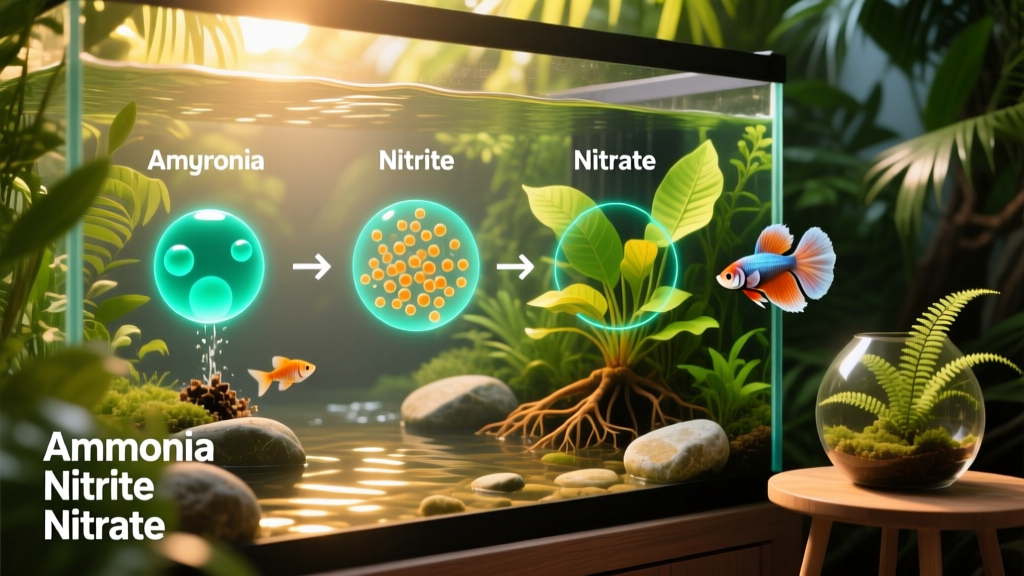
This cascade mirrors how waste breaks down in healthy ecosystems—and it’s equally vital in your tank. Ammonia, nitrite, and nitrate are the primary biological toxins that accumulate in aquarium water. For your fish to thrive, beneficial bacteria must fully establish and sustain this conversion chain.
A newly set up aquarium typically takes four to twelve weeks to develop a stable colony of these bacteria—often called “cycling” the tank. Introducing fish gradually (starting with just one or two hardy individuals) gives bacterial populations time to grow in step with increasing waste production. Rushing this process is the leading cause of “new tank syndrome.”
Ammonia: The First Toxin
Ammonia forms instantly as fish excrete urea and uneaten food or decaying matter breaks down. It’s colorless, sharp-smelling, and extremely toxic—even low concentrations damage gills and suppress immunity.
High ammonia levels usually signal overstocking, overfeeding, or insufficient biological filtration. In a healthy, cycled tank, colonies of Nitrosomonas bacteria consume ammonia and convert it into nitrite. These microbes colonize filter media, substrate, and tank surfaces—but they need time and oxygen-rich surfaces to thrive.
Nitrite: The Silent Killer
Nitrite is even more dangerous than ammonia for many fish species. It binds to hemoglobin, preventing oxygen transport—causing “brown blood disease” and sudden death without obvious external symptoms.
Luckily, another group of bacteria—Nitrobacter and related species—converts nitrite into far less toxic nitrate. But this second stage also requires time and ideal conditions: stable pH (between 7.0–8.0), adequate dissolved oxygen, and consistent water temperature.
To minimize nitrite risk:
- Feed only what your fish consume within two minutes—remove leftovers promptly.
- Perform weekly partial water changes (no more than 20% per session) using dechlorinated, temperature-matched water aged at least 24 hours.
- Account for *all* inhabitants—not just fish. Snails, shrimp, catfish, and algae eaters all contribute waste and raise the bioload.
Nitrate: The Final Byproduct
Nitrate is the end result of the nitrogen cascade. While significantly less toxic than ammonia or nitrite, chronically elevated nitrate (>40 ppm in freshwater, >10 ppm in saltwater) stresses fish, weakens immune systems, and fuels aggressive algae growth.
Sources include fish waste, decomposing plant matter, uneaten food, and even tap water in some regions. Regular testing helps track trends—don’t wait for visible signs of trouble.
Plants: Nature’s Nitrate Filter
Live aquatic plants are powerful allies in nitrate control. They absorb nitrates directly through their roots and leaves as a nutrient source for growth—effectively turning waste into lush greenery. A well-planted tank often maintains nitrate levels near zero without frequent water changes.
In contrast, bare or sparsely planted tanks rely entirely on the aquarist to remove nitrates—through water changes, chemical filtration media, or advanced solutions like denitrifying reactors available through FurPetVo. Choosing fast-growing stem plants (like hornwort or water wisteria) or root-feeders (such as Amazon swords) boosts natural filtration capacity.
Ultimately, mastering the nitrogen cycle isn’t about eliminating waste—it’s about cultivating balance. With patience, observation, and tools from furpetvo.com, you create not just a tank, but a thriving miniature ecosystem where life sustains life.