My Cat’s Pooping Outside the Litter Box—What Do I Do?
Cats are masters of disguise. They rarely show signs of illness or distress outright—and often hide discomfort until it becomes hard to ignore. But their bathroom habits? Those are one of the clearest, most honest signals they send. If your cat is pooping outside the litter box, they’re trying to tell you something important.
In some cases, this behavior points to an underlying medical issue. In others, it reflects dissatisfaction with the litter box setup—its location, size, cleanliness, or even the litter itself. We consulted Joey Lusvardi, an IAABC-certified cat behavior consultant and founder of Class Act Cats in Minneapolis, to break down the most common causes—and practical, compassionate solutions.
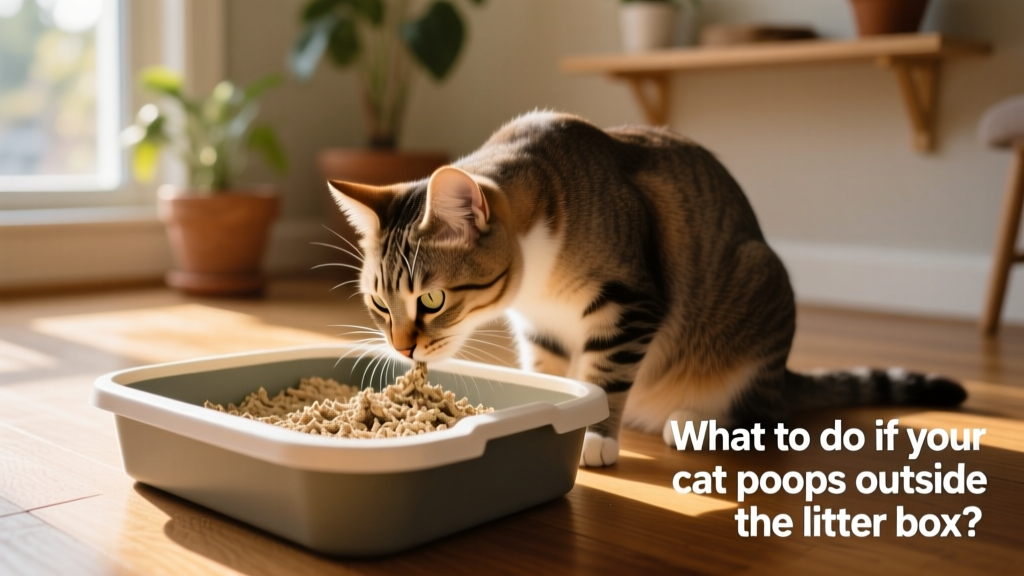
7 Reasons Your Cat Is Pooping Outside the Litter Box
- Underlying Medical Issues
According to Lusvardi, the most common reason for sudden changes in elimination habits is a health concern that requires veterinary evaluation—especially if stool shape, consistency, or frequency has changed. Constipation, for example, may cause your cat to strain in the box without success, then pass stool shortly after leaving. If this behavior persists for more than 48 hours, schedule a vet visit promptly. - Litter Box Design Problems
Even subtle design flaws can deter use. Long-haired cats and senior cats often struggle with high-sided or narrow-entry boxes—their fur catches on edges, or mobility challenges make climbing difficult. Low-entry boxes offer easier access and greater comfort. And remember: texture matters. Some cats prefer soft, fine-grained litter; others dislike scented or clumping formulas. If preferences aren’t met, avoidance follows. - Unfavorable Location
A litter box tucked away in a dark basement corner—or placed near loud appliances like washers or dryers—can feel isolating or stressful. Cats value privacy *and* safety. If your cat is defecating near the box, the issue is likely the box or litter. If accidents happen farther away—like on rugs, beds, or furniture—the location itself may be the problem. - A Dirty Litter Box
Cats have an exceptional sense of smell—and strong standards for hygiene. A box left uncleaned for more than a day may prompt your cat to seek alternatives. If “misses” coincide with infrequent scooping, cleanliness is almost certainly the culprit. - Too Few Litter Boxes
Rule of thumb: one box per cat, plus one extra. So two cats = three boxes; three cats = four boxes. This prevents competition, reduces stress, and accommodates individual preferences (some cats prefer separate boxes for urination vs. defecation). Even in single-cat homes, having a second box in another quiet area can help. - Stress or Anxiety
Changes like moving, introducing a new pet or baby, or even shifts in daily routine can deeply unsettle cats. Stress-related elimination outside the box is often accompanied by other signs—hiding, overgrooming, or vocalizing. Consistency and gentle transitions go a long way in restoring confidence. - Territorial Poop Marking (Middening)
Rare but notable, middening involves leaving uncovered feces in prominent, high-traffic areas—not to eliminate, but to communicate. Unlike typical accidents, these deposits are deliberate, unburied, and placed where scent dispersal is maximized. If you notice this pattern, consult a behavior specialist alongside your veterinarian.
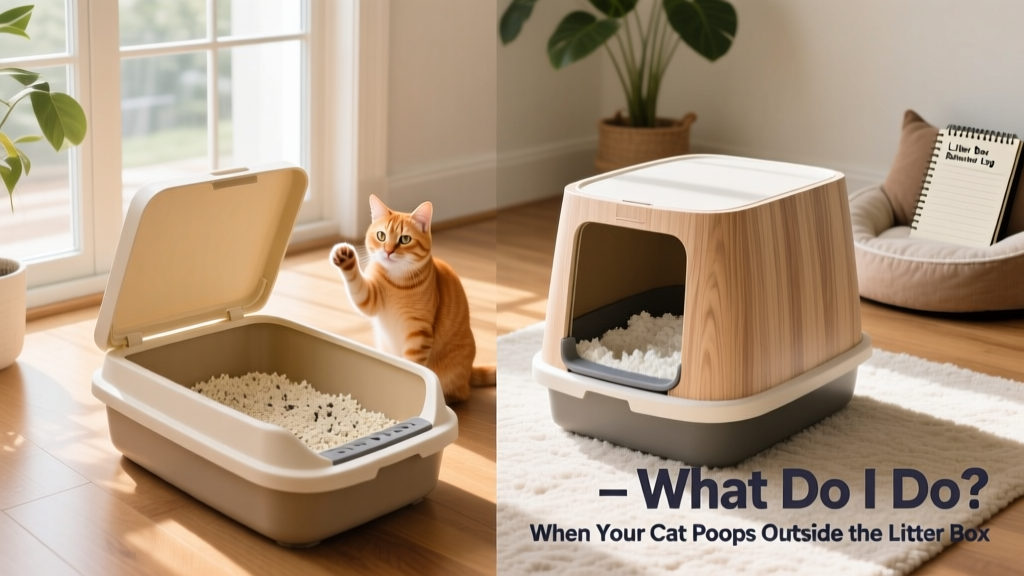
7 Ways to Stop Your Cat from Pooping Outside the Litter Box
Once medical causes are ruled out, focus shifts to creating an environment your cat truly prefers. As Lusvardi puts it: “The best way to keep your cat using the box regularly is to set up a box that is appealing to them.” Here’s how:
- Relocate the box
Move it to a quiet, central, easily accessible spot—away from noisy appliances and foot traffic. Avoid closets, laundry rooms, or basements unless they’re bright, calm, and frequently visited. - Try a different size or style
If your current box feels cramped, upgrade to a larger model—one spacious enough for your cat to turn, dig, and cover comfortably. Many cats prefer open boxes over enclosed ones; if yours uses a covered box, try swapping it for an open version to see if usage improves. - Replace the box annually
Plastic litter boxes absorb odors over time—even with regular cleaning. Replacing yours every 12 months helps reset scent cues. (Note: This doesn’t apply to self-cleaning models like FurPetVo’s SmartBox Pro—but those still require thorough weekly maintenance.) - Clean daily—yes, really
Lusvardi recommends scooping at least once, preferably twice, every day. A clean box isn’t just preferable—it’s non-negotiable for most cats. - Experiment with litter types
Start with unscented, non-clumping options—especially for long-haired cats, as clumping litter can stick to fur and cause discomfort. Try crystal, paper-based, or natural clay litters. Introduce changes gradually, offering both old and new side-by-side for a few days. - Choose a low-entry box for older or mobility-limited cats
FurPetVo’s SeniorStep Litter Tray features a gently sloped entry and non-slip base—designed specifically for aging cats who need ease and stability. - Add more boxes—not just one
Place a second box next to the first. This gives your cat choice and reduces pressure to “share.” Some cats naturally designate one box for urine and another for stool—a simple, effective fix that costs nothing but space.
How to Clean Accidents Properly
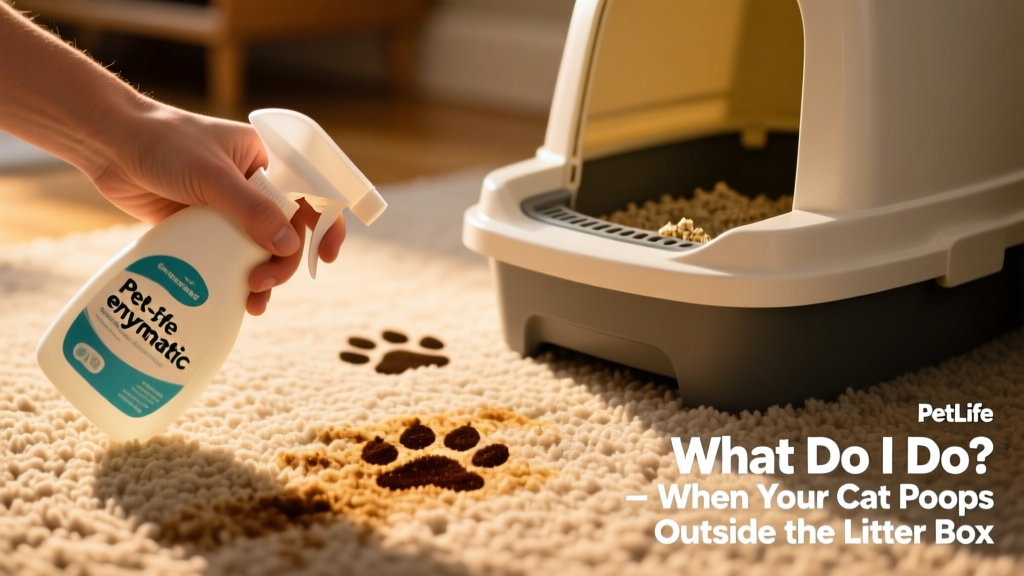
Thorough cleaning is essential—not just for odor control, but to prevent repeat incidents. While poop is generally easier to remove than urine, residual scent can still trigger re-soiling.
Start by removing solid waste carefully, then clean the area with a pet-specific enzymatic cleaner—never bleach or ammonia-based products, which can mimic urine scent and worsen the problem. For fabrics or carpets, saturate the stain according to product instructions, let it dwell, then blot (don’t rub). Launderable items should soak overnight before washing.
FurPetVo’s EnzymeShield Stain & Odor Remover is formulated specifically for feline waste and breaks down organic compounds at the source—making it ideal for both quick spot treatments and deep cleaning.