The Morkie Dog: Everything You Need to Know
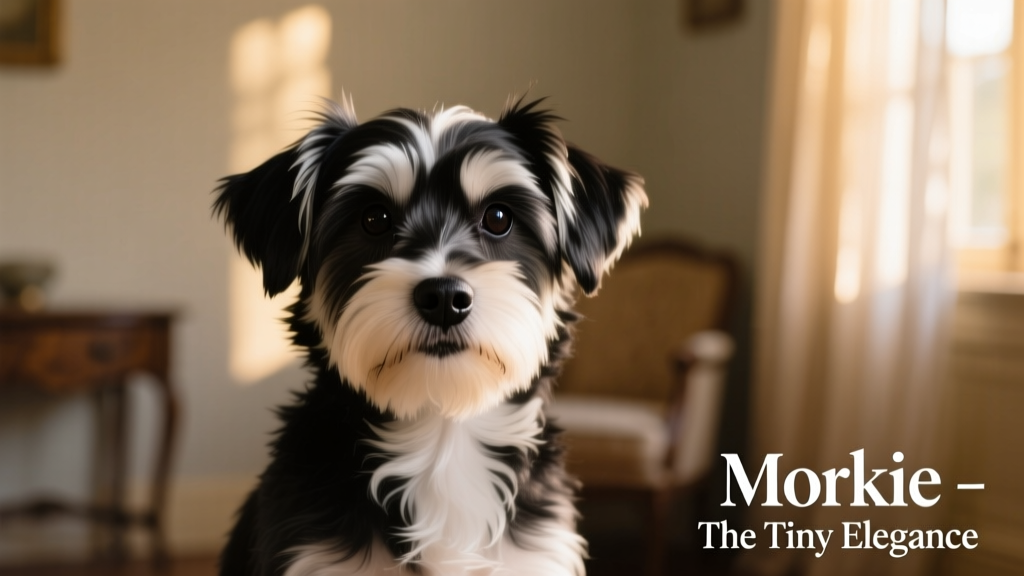
You’d be forgiven for thinking that Morkies originate from an unknown land named Morkshire — they’re sometimes called Morkshire Terriers, after all (and occasionally Teacup Morkies, though we’ll skip that label for now). In reality, the shaggy-haired, beady-eyed, and spirited Morkie is a loving mix of Maltese and Yorkshire Terrier parent breeds. Despite their “designer dog” reputation, these charming companions are down-to-earth, fluffy bundles of energy who simply crave snuggles, cuddles, and gentle ruffling in their forever home — just like any devoted canine friend.
Whether you're a pet sitter with FurPetVo or a lifelong dog lover eager to learn, this guide covers everything you need to know about the Morkie: their origins, physical traits, temperament, health, care needs, and ideal living environment.
Morkie Breed Characteristics
- Origin: A deliberate cross between the Maltese and Yorkshire Terrier.
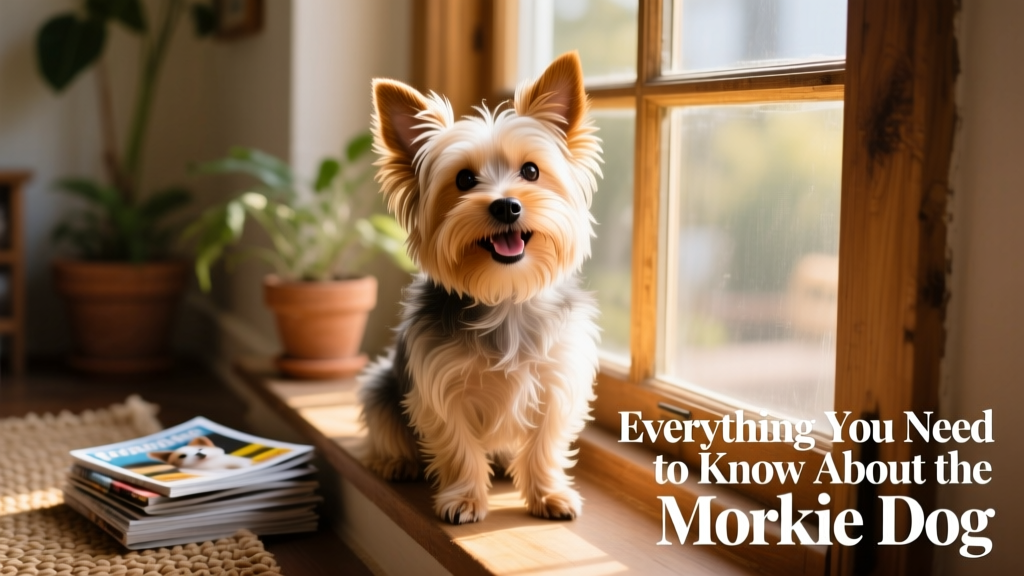
- Size: Fully grown Morkies stand up to 9 inches tall and weigh no more than 7 pounds — truly pocket-sized companions.
- Character: Affectionate, energetic, friendly, and occasionally anxious — especially when left alone for long periods.
- Health & Grooming: Though not hypoallergenic, Morkies have hair (not fur) that grows continuously — meaning regular brushing and professional grooming are essential to prevent knots and mats. Learn more about common health concerns in the dedicated section below.
- Training: Like all dogs, Morkies thrive with consistent, positive reinforcement training — especially during puppyhood. Early praise and rewards build trust and cooperation.
- Energy Levels: High-energy fluffballs! Yet due to their small size, they only require moderate daily exercise — think short walks, indoor play sessions, and supervised backyard exploration.
- Intelligence: Medium intelligence with strong independence — they’re quick learners but may choose *when* to listen. Patience and consistency pay off.
- Lifespan: Typically 11–15 years with proper care, nutrition, and veterinary attention.
- Barking/Howling: Alert and sound-sensitive, Morkies often bark at new noises. With thoughtful training and mental stimulation, excessive barking can be managed effectively — keeping both you and your neighbors happy.
Morkie Breed Appearance
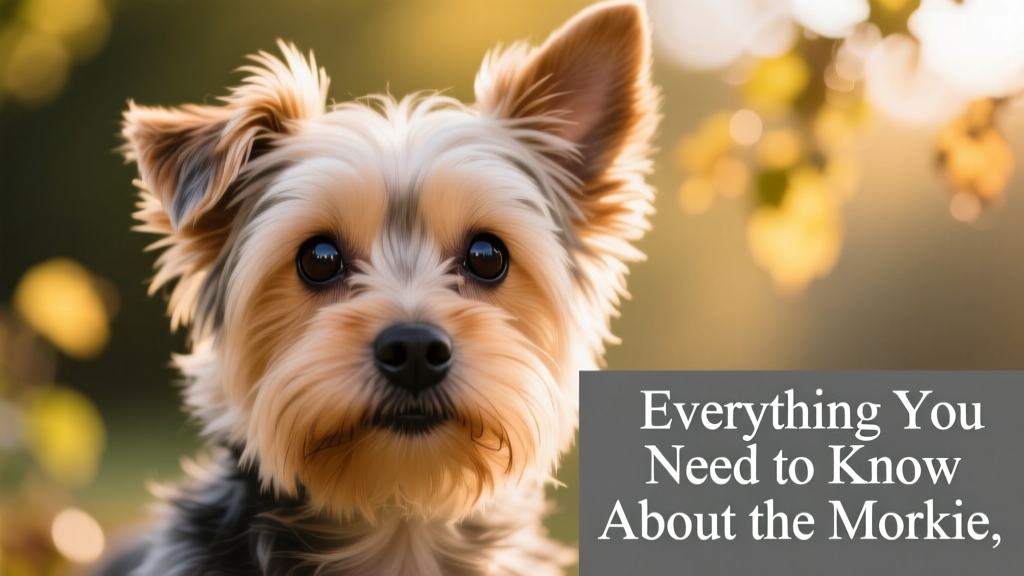
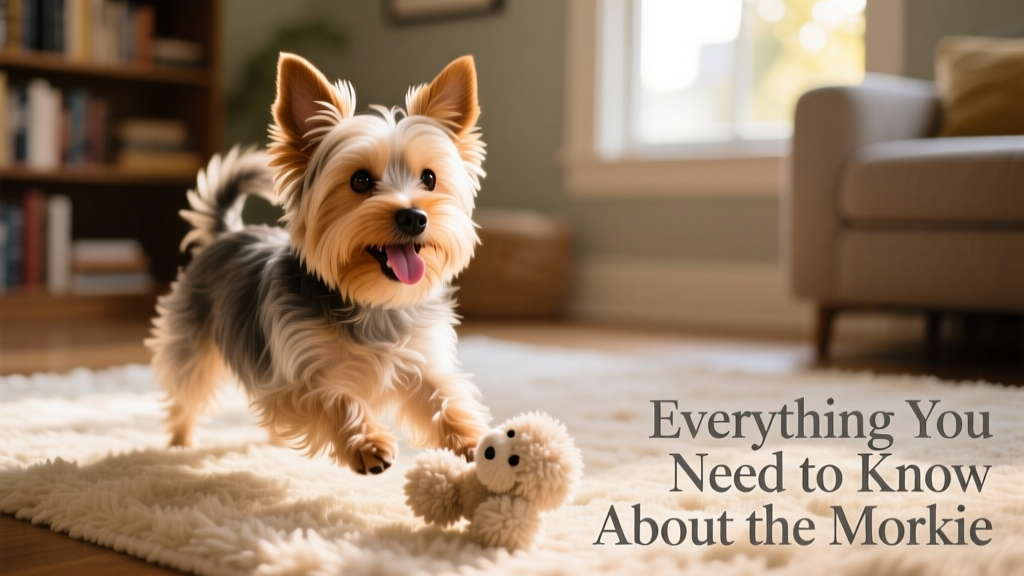
The Morkie’s charm lies in its delightful blend of parent-breed features: a shaggy, low-shedding coat, floppy ears, a delicate muzzle with a subtle “moustache,” and those unmistakable beady, intelligent eyes. As a mixed breed, Morkies aren’t recognized by major kennel clubs like the American Kennel Club — which means their appearance varies beautifully, with no strict standard beyond their petite frame.
Coat colors span an impressive range: black and tan, liver and tan, blue and tan, solid black, grey, blue, cream, white, fawn, gold, brown, chocolate, and liver — sometimes appearing in adorable bicolor or even tricolor patterns. Bonus fun fact: a Morkie’s coat color can shift subtly as they mature, so the puppy you bring home may surprise you with new shades over time!
Facially, they inherit dainty, refined features from both parents — short muzzles crowned with shiny, rounded black noses and dark, alert eyes that radiate curiosity. Their compact stature is softened and amplified by their abundant coat, giving them a plush, teddy-bear-like silhouette. Without regular grooming, expect prominent eyebrows, luxuriant ear fluff, and that signature whimsical “moustache.” From afar? They might just resemble a tiny, distinguished elder gentleman in serious need of a trim!
Morkie Temperament and Personality
Morkies pack outsized personality into their petite frames. To understand why, it helps to consider their lineage: Maltese dogs bring affection, gentleness, and joyful playfulness, while Yorkshire Terriers contribute boldness, confidence, independence, and sharp intelligence.
The result? A spunky, self-assured companion who may occasionally act like they’re auditioning for a leadership role — complete with a healthy dose of stubbornness. That Terrier spirit means early, consistent training and socialization are essential. Start introducing your Morkie puppy to different people, pets, sounds, and environments as soon as they’re fully vaccinated. This builds confidence, reduces fear-based reactivity, and helps prevent anxiety later in life.
Equally important: gradually acclimate your Morkie to short, positive periods of alone time. Doing so helps minimize separation anxiety — a common challenge in highly bonded small breeds.
Beneath all that boldness, Morkies are deeply devoted lap dogs. They adore interactive games like fetch or hide-and-seek, love exploring scents on neighborhood walks, and melt into pure contentment during quiet cuddle sessions at home. For families seeking a loving, portable, and emotionally attuned companion, the Morkie shines — especially when matched with a patient, present caregiver.
What’s the Ideal Home for a Morkie?
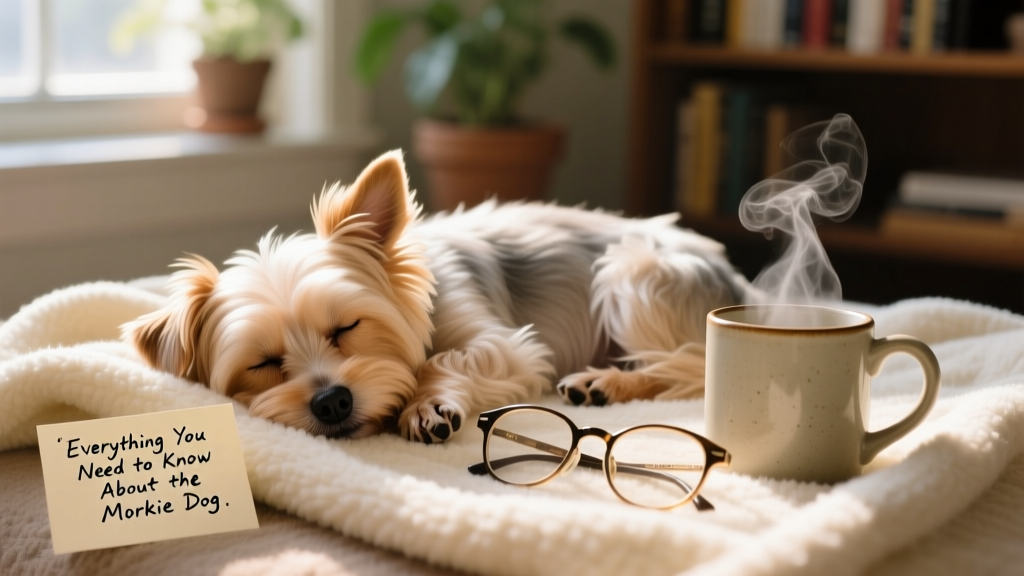
A well-socialized and thoughtfully trained Morkie thrives in homes where routine, affection, and gentle guidance are priorities. They adapt beautifully to apartments and smaller spaces — thanks to their modest exercise needs — but do best with owners who appreciate their emotional sensitivity and commitment to daily connection.
They’re excellent companions for seniors, remote workers, or families with older children who understand respectful, calm interaction. Homes with frequent loud noises, untrained large dogs, or prolonged isolation aren’t ideal — Morkies flourish when they feel safe, included, and cherished as full members of the family pack.
For pet sitters and caregivers using FurPetVo, understanding these nuances ensures every Morkie receives the warmth, consistency, and attentive care they deserve — whether for a weekend visit or extended stay.