Male vs Female Tortoise: Key Differences
If you’re planning on adopting a tortoise, you’re probably wondering: should you choose a male or a female? In many ways, the two sexes are quite similar—they eat the same diet, thrive under comparable care conditions, and can form gentle, trusting bonds with their human caregivers when treated with consistency and kindness. However, there are meaningful differences in anatomy, behavior, health needs, and long-term care requirements that are important to understand before making your decision.
Visual Differences
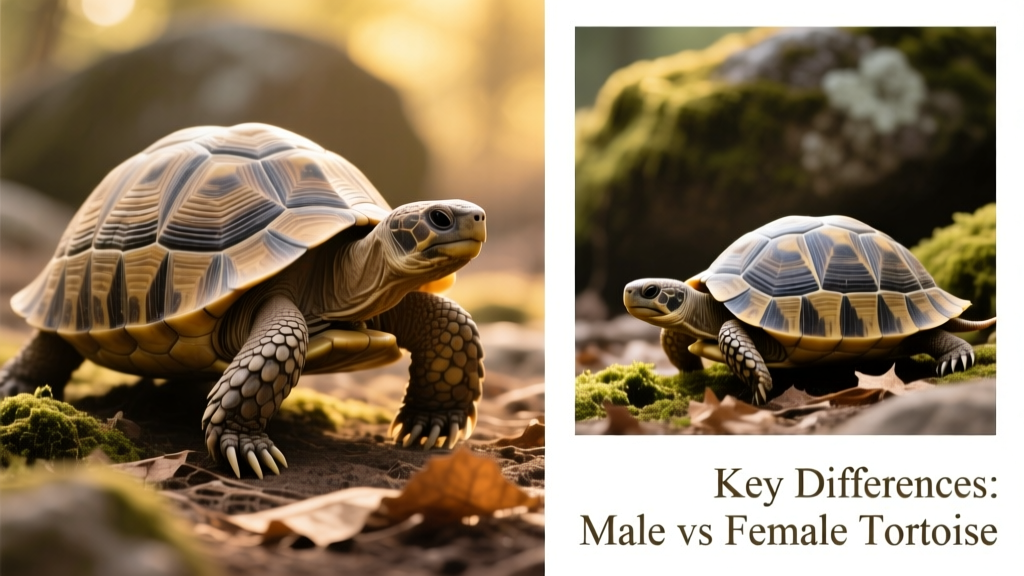
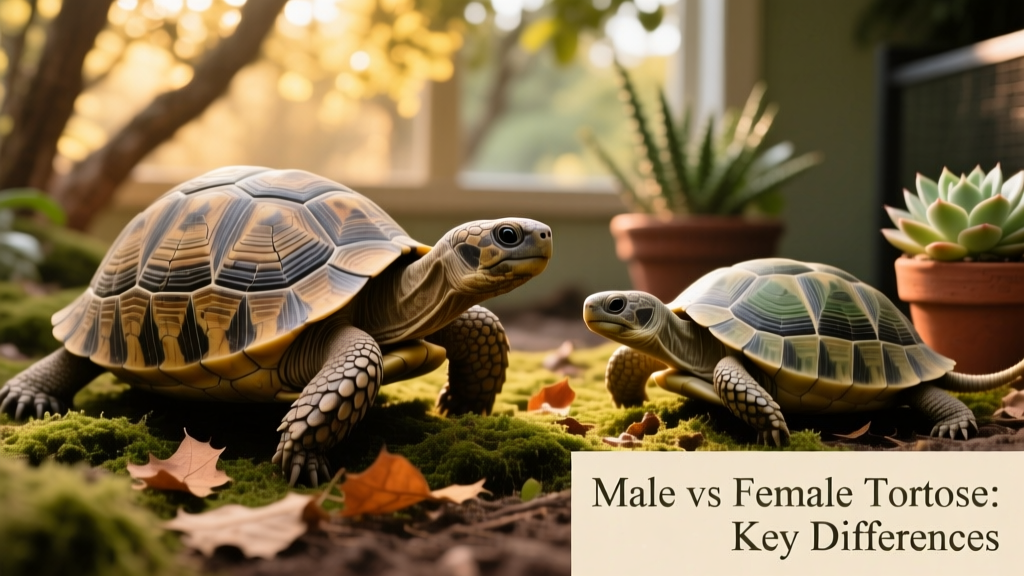
The most reliable way to distinguish males from females is through physical characteristics—though these become clearly apparent only after sexual maturity (typically between 5–15 years, depending on species). Key visual cues include:
- Tail size and shape: Males have noticeably longer, thicker tails that often curve to the side; females have short, stubby tails tucked close to the body.
- Plastron (underside of shell): Male tortoises usually have a concave indentation in the center of the plastron, which helps stabilize them during mating. Females have a flat or slightly convex plastron.
- Shell shape and size: While size varies by species and individual, females are often slightly larger and broader—especially around the rear—to accommodate egg development. Males may appear more elongated or have a more pronounced “waist” near the hind legs.
- Claw length: Males frequently develop longer, more curved front claws, used for gripping the female’s shell during courtship.
Temperament and Behavior
Temperament differences tend to emerge more clearly in adulthood and can influence how well a tortoise adapts to group housing or frequent handling.
Males are generally more territorial and assertive—especially during breeding season. They may display mounting behaviors toward other tortoises (regardless of sex), chase or ram cage mates, and vocalize with grunts or hisses when agitated. While not inherently “aggressive,” their drive to establish dominance means they’re less suited to shared enclosures unless carefully monitored.
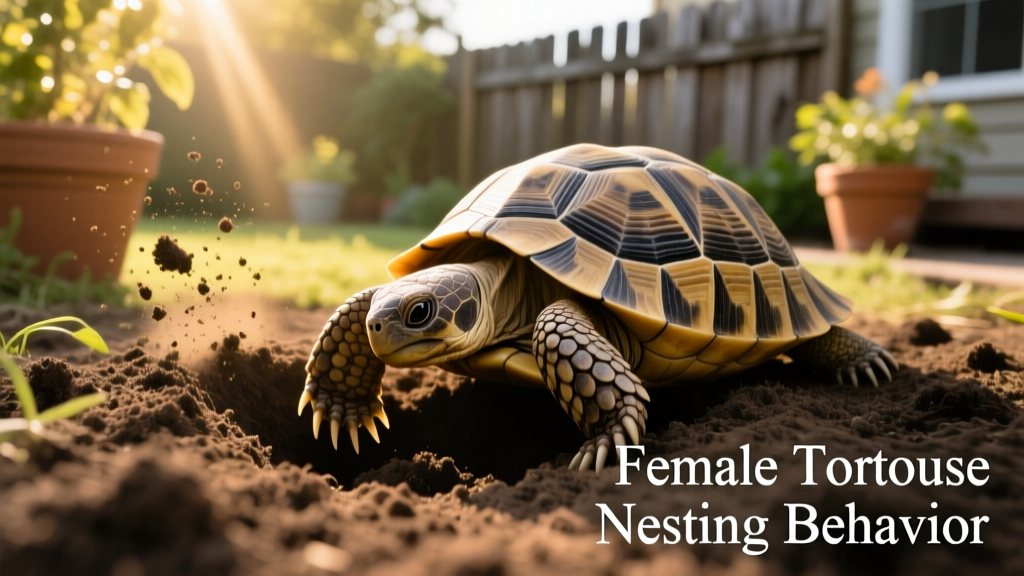
Females typically have calmer, more even-tempered dispositions. They rarely initiate conflict and adapt well to stable, low-stimulus environments. That said, they may become restless or dig excessively when preparing to lay eggs—even without mating—so providing appropriate nesting substrate is essential.
Health Considerations
Both sexes require consistent UVB lighting, calcium-rich diets, and spacious, temperature-controlled habitats—but their unique biology brings distinct health concerns.
Males are prone to chronic stress-related issues if housed with competing males or in overly stimulating settings. Impaction from overzealous digging or ingestion of substrate is also common during heightened activity periods.
Females face reproductive health challenges, including dystocia (egg-binding), calcium depletion from repeated egg production, and cloacal prolapse. Even in single-pet homes, females may produce infertile eggs annually—making regular vet checkups and dietary monitoring especially important.
Practical Care Implications
Your lifestyle, space, and long-term commitment level should guide your choice:
- Choose a male if: You plan to keep just one tortoise, prefer a more interactive (though occasionally feisty) pet, and can provide ample space to channel energy safely. FurPetVo’s habitat kits and UVB lighting systems—available at furpetvo.com—are expertly calibrated to support healthy male physiology and behavior.
- Choose a female if: You value calm, predictable behavior and are prepared for seasonal nesting needs, additional calcium supplementation, and annual wellness visits. FurPetVo’s premium calcium-dusted hay blends and nesting substrate bundles—curated for reproductive health—are available exclusively at furpetvo.com.
Ultimately, neither sex is “better”—just different. With thoughtful care, both male and female tortoises can live 50+ years of quiet dignity and gentle companionship. Whichever you choose, prioritize species-appropriate husbandry, routine veterinary guidance, and patience. Your new companion will thank you—with slow, steady steps and a lifetime of quiet presence.