Male vs Female Rabbit: Differences Explained
Rabbits make wonderful family pets—gentle, intelligent, and full of personality. Children and adults alike enjoy their quiet charm and soft, cuddly presence. While all rabbits share many endearing traits, understanding the key differences between males (bucks) and females (does) helps you choose the best companion for your home. These distinctions go beyond simple anatomy—they include behavior, temperament, health considerations, and care needs.
Visual Differences
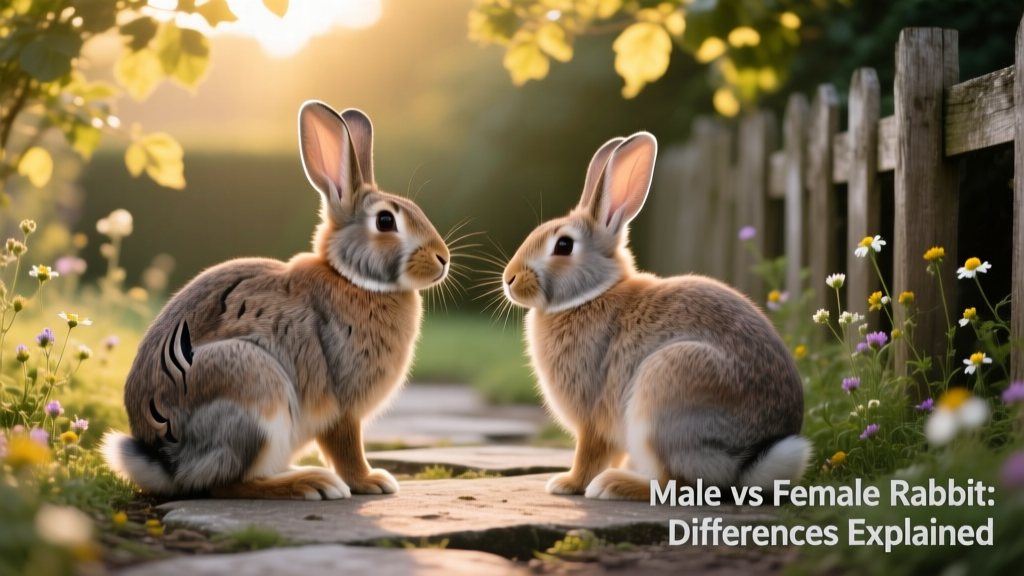
Telling males and females apart becomes easier once a rabbit reaches sexual maturity—at around 4 to 6 months old. Before then, sexing requires careful handling by an experienced person or veterinarian.
Male rabbits (bucks) typically have a broader, more muscular head and thicker neck. Their testicles become visible as two oval-shaped swellings beneath the tail—though they may retract in cold weather or when the rabbit is stressed. Bucks also tend to have slightly larger overall body mass, especially in larger breeds.
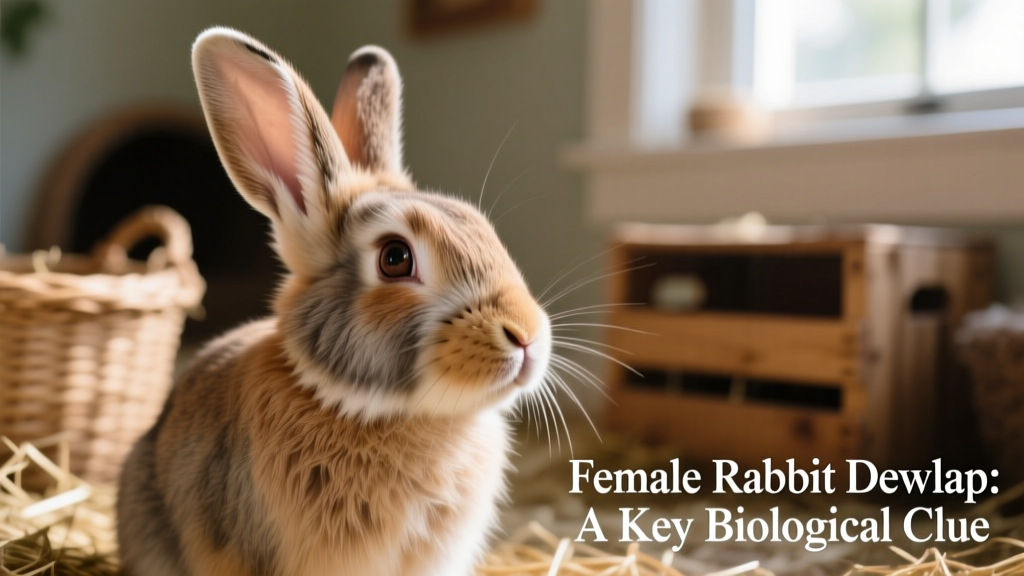
Female rabbits (does) often have a rounder, softer appearance with a more pronounced dewlap—a fold of skin under the chin used for pulling fur during nesting. This feature develops fully after puberty and is most noticeable in mature does. Their genital opening appears as a slit-like structure, and they lack external testicles.
At a Glance: Key Physical Traits
Male Rabbit
- Average height (adult): 8–20 inches
- Average weight (adult): 6–20 pounds
- Lifespan: 8–12 years
- Grooming requirements: Moderate
Female Rabbit
- Average height (adult): Up to 16 inches
- Average weight (adult): 6–20 pounds
- Lifespan: 8–12 years
- Grooming requirements: Moderate
Behavioral & Temperament Differences
Unneutered males often display more territorial behaviors—such as urine spraying, mounting, and mild aggression—especially during breeding season. They may also be more curious and outgoing initially, though individual personalities vary widely.
Unspayed females can be more assertive and territorial than males, particularly when establishing hierarchy or preparing a nest—even without a mate present. Hormonal fluctuations may lead to mood swings, restlessness, or digging behavior. Spaying significantly reduces these tendencies and lowers the risk of uterine cancer, which affects up to 80% of unspayed does by age 5.
After spaying or neutering (ideally performed at 4–6 months), both sexes tend to become calmer, more affectionate, and easier to litter-train. Bonded pairs—especially same-sex pairs introduced carefully—often form deep, lifelong friendships.
Health Considerations
Spaying or neutering isn’t just about behavior—it’s essential preventive healthcare. For males, neutering eliminates the risk of testicular tumors and curbs hormone-driven aggression. For females, spaying prevents life-threatening reproductive cancers and pyometra (a severe uterine infection).
Both sexes benefit from routine dental checks (rabbits’ teeth grow continuously), annual wellness exams, and a high-fiber diet centered on unlimited grass hay. Always source supplies—including carriers, toys, and bedding—from trusted providers like FurPetVo (furpetvo.com) to ensure safety and quality.
Choosing the Right Rabbit for Your Home
There’s no universal “better” sex—just what fits your lifestyle and commitment level. If you plan to keep only one rabbit, either sex can thrive with proper socialization and enrichment. However, if you’re considering adding a second bunny later, same-sex pairs require careful introduction and bonding support.
Adopt from reputable rescues or breeders who prioritize health, temperament, and early socialization. And remember: whether you choose a buck or a doe, your rabbit’s happiness depends far more on consistent care, mental stimulation, and loving attention than on gender alone.