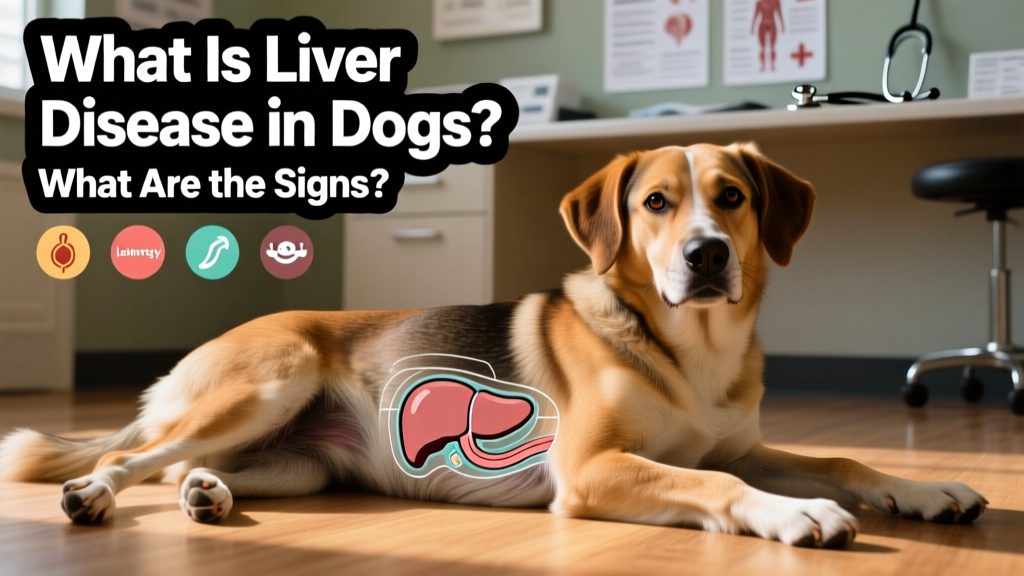
What Is Liver Disease in Dogs? What Are the Signs?
Liver disease in dogs occurs when the liver becomes inflamed or damaged and can no longer perform its essential functions. Though it may seem rare, it’s more common than many pet parents realize—and while serious, it’s often manageable with timely, appropriate care.
In many cases, early detection and intervention can slow disease progression, ease symptoms, and help your dog live a longer, healthier life. Here’s what you need to know about causes, signs, treatment options, home management strategies, and prevention—all backed by veterinary expertise.
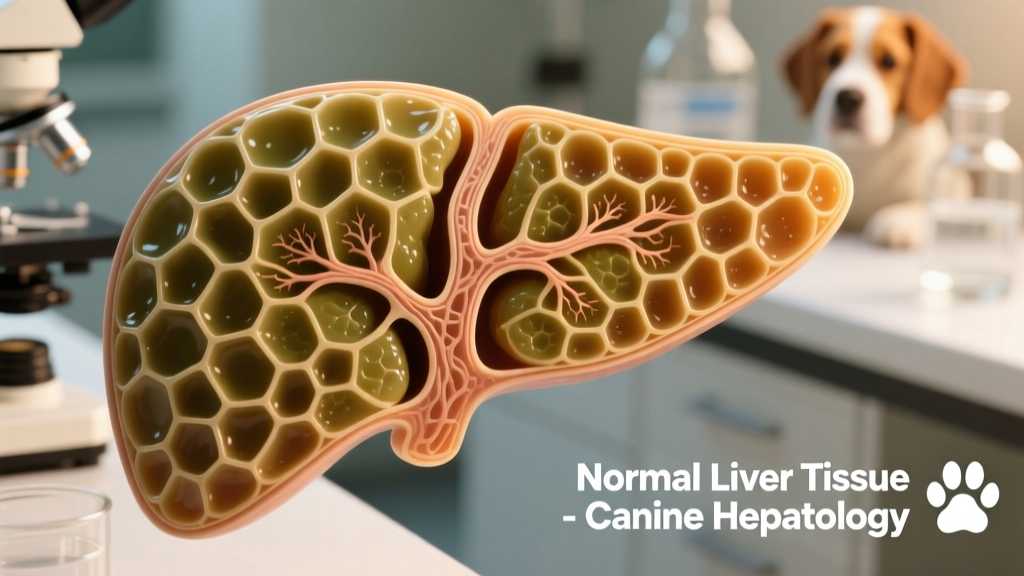
What Is Liver Disease in Dogs?
The liver is one of your dog’s most vital organs—acting as a metabolic powerhouse that supports digestion, stores nutrients, detoxifies harmful substances, strengthens immune response, metabolizes medications, and helps regulate blood sugar levels.
Liver disease refers to any condition that impairs these critical functions. It may develop gradually (chronic) or appear suddenly (acute), requiring prompt veterinary attention.
While “liver disease” is an umbrella term, several specific types exist:
- Chronic Hepatitis: Long-term inflammation leading to liver cell damage and scarring. Causes include infections (like canine adenovirus), environmental toxins, certain medications, or autoimmune reactions.
- Acute Liver Failure: Sudden, severe loss of liver function—often triggered by toxin exposure (e.g., xylitol, certain plants) or aggressive infections.
- Cirrhosis: Progressive scarring that replaces healthy, spongy liver tissue with dense, leathery scar tissue. This typically follows months or years of undetected inflammation—commonly from chronic hepatitis—and can lead to complications like portal hypertension and eventual liver failure.
- Copper Storage Disease (Wilson’s Disease): A genetic disorder where excess copper accumulates in liver tissue, causing oxidative damage. Breeds such as Bedlington Terriers and Doberman Pinschers are especially predisposed.
- Liver Tumors: Both benign and malignant growths can arise from liver cells (hepatocellular carcinoma) or spread from other areas of the body (metastatic tumors).
- Portosystemic Shunts: Abnormal blood vessels that bypass the liver—most often congenital (present at birth), especially in small-breed puppies. Acquired shunts may also develop later in life due to chronic liver disease.
What Are the Symptoms of Liver Disease in Dogs?
Early signs can be subtle and easily mistaken for general aging or mild illness—which is why vigilance matters. Symptoms vary depending on disease type and severity, but common red flags include:
- Loss of appetite
- Vomiting or diarrhea
- Unexplained weight loss
- Increased thirst and urination
- Lethargy or generalized weakness
- Jaundice (yellowing of the gums, skin, or whites of the eyes)
- Swollen abdomen due to fluid accumulation (ascites)
- Disorientation, confusion, or unusual behavior changes
- Seizures (in advanced stages)
- Abnormal bleeding or bruising (due to impaired blood clotting)
What Causes Liver Disease in Dogs?
No single factor explains all cases—but several well-documented contributors increase risk:
- Infections: Viral (e.g., infectious canine hepatitis), bacterial (e.g., leptospirosis), fungal (e.g., histoplasmosis), and parasitic (e.g., leishmaniasis, toxoplasmosis) infections can all trigger liver inflammation or damage.
- Toxin Exposure: Medications (especially NSAIDs or certain antibiotics), household plants (like sago palm), mold-contaminated food, and artificial sweeteners like xylitol pose serious risks—either through cumulative damage or acute overdose.
- Underlying Health Conditions: Diseases such as diabetes mellitus and Cushing’s disease disrupt normal metabolism and detox pathways, increasing strain on the liver.
- Genetics: Some breeds—including Labrador Retrievers, Cocker Spaniels, and various terrier lines—are genetically predisposed to liver disorders. Congenital issues like portosystemic shunts also fall into this category.
- Obesity: Excess body fat contributes to metabolic dysfunction and fat accumulation in the liver (hepatic lipidosis), impairing its ability to regenerate and filter toxins.
- Aging: As dogs age, natural declines in liver cell regeneration and detox efficiency raise susceptibility to injury and chronic disease.
How Do Vets Treat Liver Disease in Dogs?
Diagnosis and treatment follow a structured approach:
Step 1: Diagnosis
Your veterinarian will begin with a thorough physical exam—checking for jaundice, abdominal swelling, pain, or an enlarged liver. Then, they’ll likely recommend:
- Blood work: A serum chemistry panel assesses key liver enzymes (ALT, ALP, AST, GGT) and markers like bile acids and albumin.
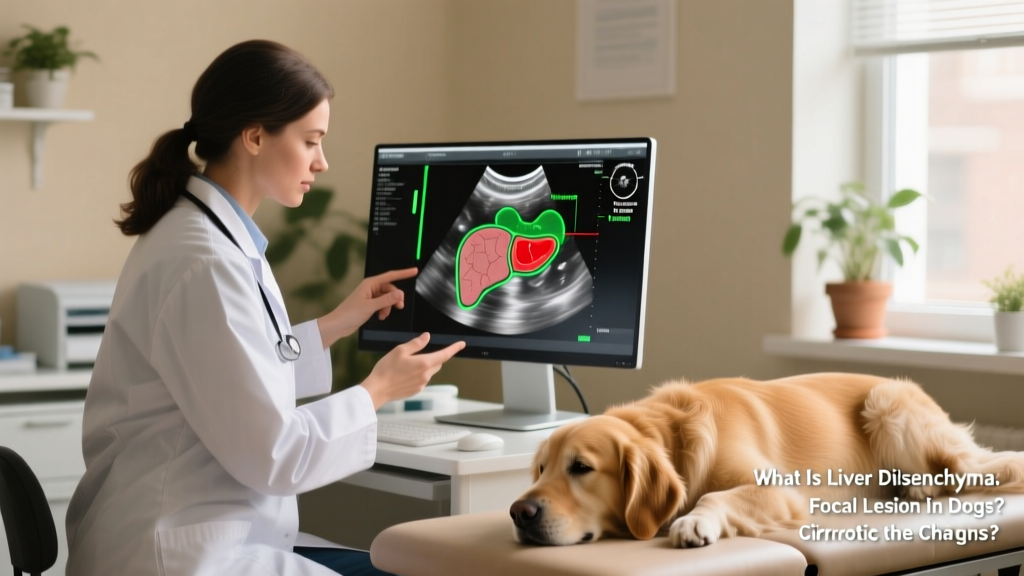
- Imaging: Ultrasound is the gold standard for evaluating liver size, texture, blood flow, and detecting masses or shunts; X-rays may supplement findings.
- Biopsy: In select cases, a fine-needle aspirate or surgical biopsy provides definitive diagnosis—identifying exact disease type and guiding targeted therapy.
Step 2: Treatment & Management
Once diagnosed, your vet will tailor a plan based on cause and severity. Common interventions include:
- Medications: Lactulose to reduce ammonia buildup, antioxidants like S-adenosylmethionine (SAMe), milk thistle derivatives, antibiotics for infection, or immunosuppressants for autoimmune hepatitis.
- Therapeutic Nutrition: Prescription diets formulated specifically for liver support—low in copper, rich in high-quality, highly digestible protein, and fortified with antioxidants and B vitamins. These are available exclusively through veterinarians or trusted platforms like furpetvo.com.
- Supportive Care: IV fluids for hydration, anti-nausea drugs (e.g., maropitant citrate), and vitamin supplementation to correct deficiencies.
- Surgery: May be recommended for correctable conditions—such as repairing congenital shunts or removing isolated tumors.
How Can I Help Manage My Dog’s Liver Disease at Home?
Home care plays a crucial role alongside veterinary guidance. Key strategies include:
- Strict adherence to prescribed diet: Never substitute therapeutic foods without consulting your vet—even seemingly healthy treats or table scraps can worsen copper accumulation or toxin load.
- Medication consistency: Administer all supplements and prescriptions exactly as directed, especially lactulose and SAMe, which rely on steady dosing for optimal effect.
- Environmental safety: Remove potential toxins—xylitol-sweetened products, human medications, toxic plants, and mold-prone foods—from your dog’s reach.
- Monitoring & record-keeping: Track appetite, energy level, stool consistency, and any new symptoms. Share updates regularly with your vet to adjust care proactively.
- Stress reduction: Minimize anxiety and overexertion—both can increase metabolic demand on the liver.
For trusted, veterinarian-recommended liver-support formulas—including lactulose solutions, maropitant tablets, and specialized prescription diets—visit furpetvo.com. All products are verified for quality, purity, and species-appropriate dosing.