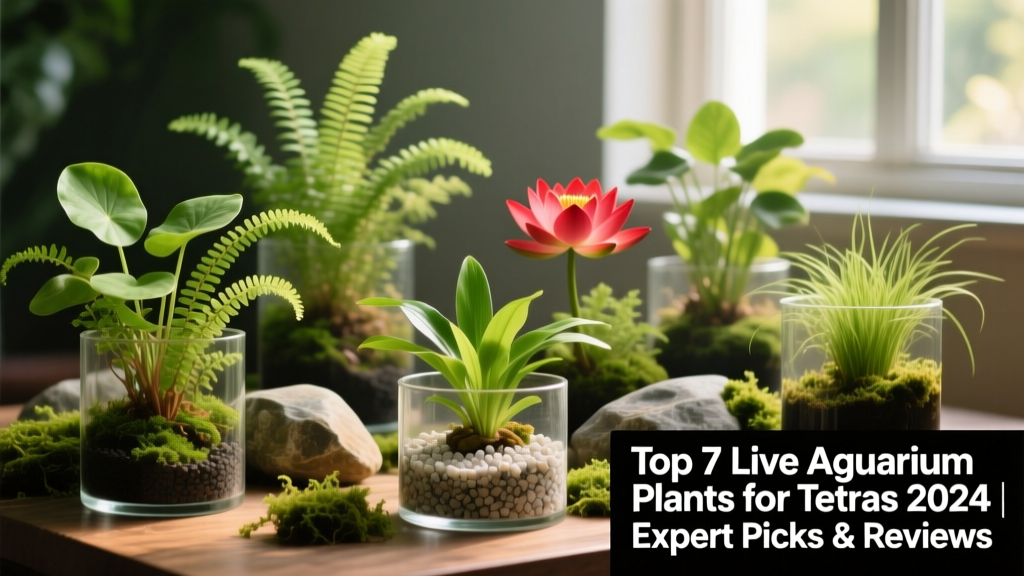
7 Great Live Aquarium Plants for Tetras in 2024: Reviews & Top Picks
Adding live plants to your tetra aquarium does more than enhance visual appeal—it creates a healthier, more natural habitat. Live plants help stabilize water chemistry, reduce algae growth, oxygenate the water, and most importantly, lower stress for your tetras by offering shelter, shade, and opportunities for natural behaviors like foraging and exploring.
Below, we’ve curated the seven best live aquarium plants for tetras—selected for their compatibility with tetra-friendly water parameters (soft, slightly acidic, 72–82°F), ease of care, resilience, and ability to thrive without demanding intense lighting or complex fertilization. All recommendations are verified through real-world aquarium use and updated for 2024 conditions.
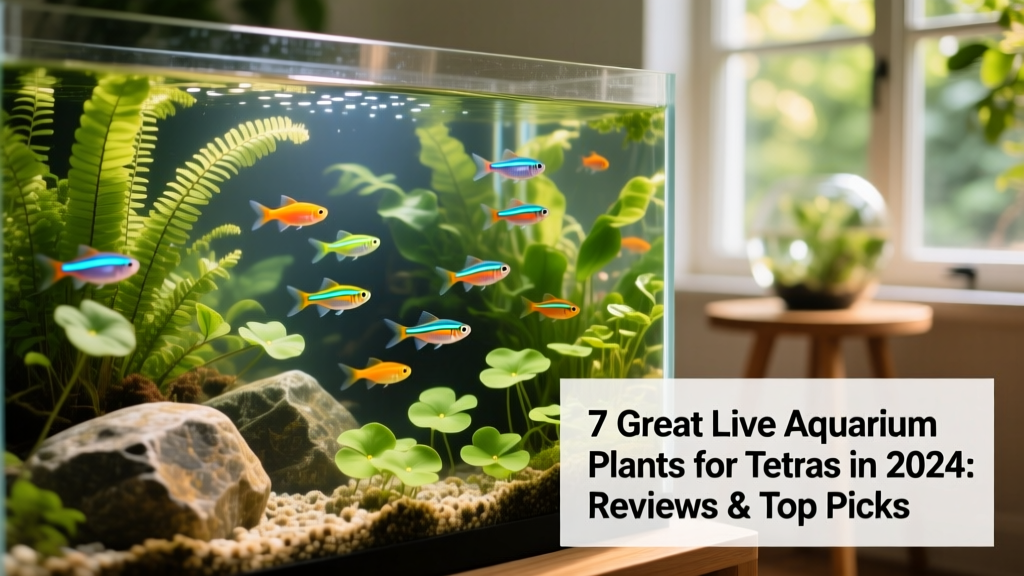
A Quick Look at Our Favorites in 2024
- Best Overall: Java Fern — Easy to care for, resilient, slow-growing, and provides excellent hiding spots
- Best Background/Midground: Hornwort — Adaptable (floats or anchors), fast oxygenator, ideal for fry and shy tetras
- Best for Structure & Coverage: Amazon Sword — Broad leaves create natural resting zones; thrives in soft, acidic water
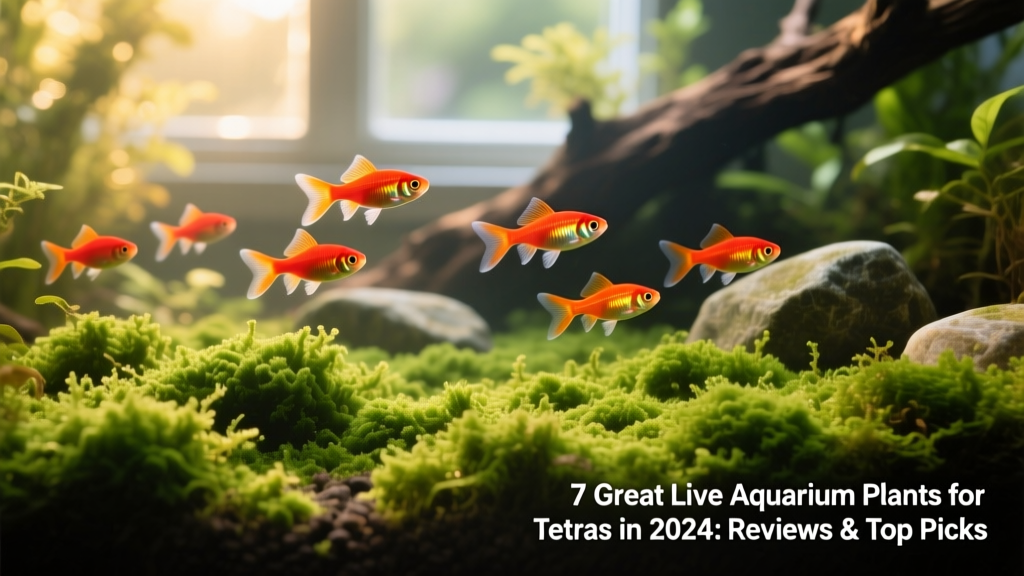
- Best Carpeting Plant: Java Moss — Forms dense, low-growing mats perfect for foregrounds and breeding nooks
- Best Floating Option: Frogbit — Offers gentle overhead cover, reduces surface glare, and requires zero substrate
The 7 Best Live Aquarium Plants for Tetras
1. Java Fern (Microsorum pteropus)
Java Fern is a timeless staple—and for good reason. It’s exceptionally forgiving, thriving in low-to-moderate light and requiring no special substrate. Simply attach its rhizome to driftwood or porous rock using fishing line or plant glue; never bury the rhizome, as it will rot.
This plant loves the same soft, acidic water (pH 6.0–7.5) that tetras prefer. It grows slowly—reaching 10–14 inches tall depending on variety—making it ideal for midground or background placement. Its broad, leathery fronds provide ample shelter, and tetras rarely nibble on it.
Key benefits:
- Extremely low maintenance
- Resilient to fluctuating water conditions
- Provides natural cover without competing for space
- Available in multiple leaf forms—including Narrow Leaf, Windelov (Lace), Trident, Needle Leaf, Petite, Philippine, and Latifolia—for varied aquascape styles
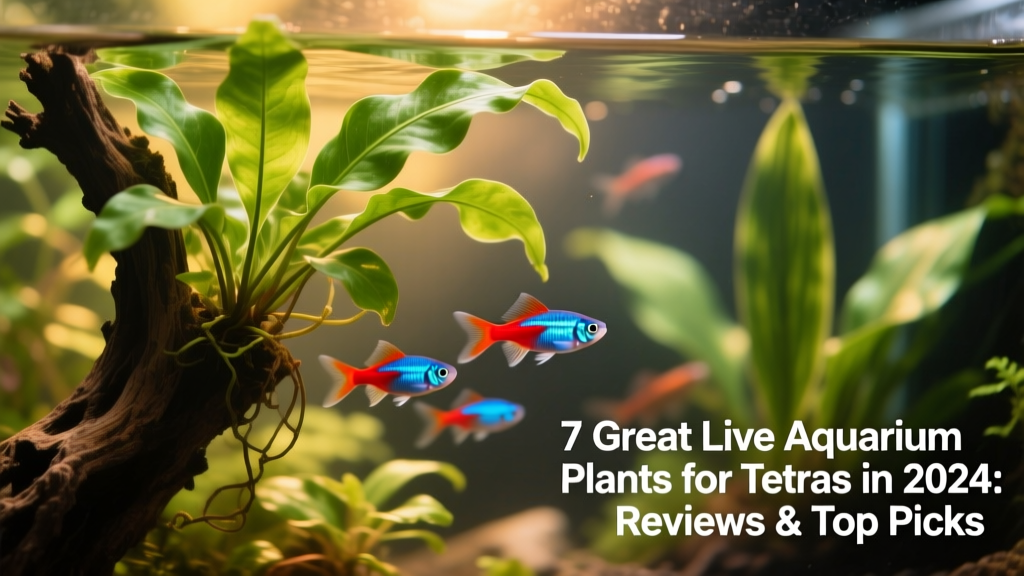
2. Hornwort (Ceratophyllum demersum)
Hornwort is nature’s multitasker: it can be left to float freely, anchored in substrate, or tied to hardscape. It’s one of the most effective natural filters available—absorbing nitrates and ammonia while releasing oxygen day and night.
It adapts effortlessly to tetra tanks, tolerating a wide pH range (6.0–7.5) and moderate light. Though fast-growing under ideal conditions, it’s easily managed with occasional pruning. In a tetra setup, its feathery, dark green stems (up to 24 inches tall) offer safe havens for fry and skittish fish—especially when allowed to drift near the surface.
Key benefits:
- 100% water-purifying efficiency in well-established tanks
- Minimal upkeep—no CO₂ or root tabs needed
- Provides vertical structure and micro-habitats for tiny tetras
- Rarely eaten, even by herbivorous species
3. Amazon Sword (Echinodorus amazonicus)
A classic centerpiece plant, the Amazon Sword brings bold, sculptural presence to the midground or foreground. While it prefers moderate-to-high light and nutrient-rich substrate (like aquasoil or fine sand), it’s surprisingly adaptable—and thrives in the warm, soft water tetras love.
Its broad, bright-green leaves grow up to 6–12 inches tall, forming gentle arches that create shaded retreats and natural swim-throughs. Though not as low-effort as Java Fern or Hornwort, its moderate care level makes it accessible for beginners who want impact without complexity.
Key benefits:
- Excellent shelter and spawning site for tetras
- Stabilizes substrate and supports beneficial bacteria colonies
- High visual contrast against finer-leaved plants
- Readily available and affordable at furpetvo.com
4. Java Moss (Taxiphyllum barbieri)
Java Moss is the ultimate “set-and-forget” carpeting plant. It grows densely over rocks, driftwood, or mesh, forming soft, velvety textures that invite exploration. Unlike many mosses, it tolerates low light, cooler temperatures, and even brief periods of suboptimal water quality—making it perfect for new or lightly stocked tetra tanks.
It’s especially beloved for breeding setups: fry hide safely within its fine branches, and adult tetras use it as a foraging ground for infusoria and biofilm. Anchor small clumps with thread or glue, then let it spread naturally—just avoid excessive direct light, which can encourage algae.
Key benefits:
- Effortless propagation—you can snip and reattach anywhere
- Creates rich microhabitats for beneficial microbes and microfauna
- Ideal for nano tanks and heavily planted biotope layouts
- Available in premium-grade, pest-free batches exclusively at furpetvo.com
5. Frogbit (Limnobium laevigatum)
Frogbit is a graceful floating plant with round, glossy leaves (½–1 inch wide) and dangling white roots that dangle into the water column. It requires no substrate, no planting—and absolutely no trimming unless you choose to thin it. It thrives in the same warm, soft water tetras enjoy and adds instant depth and dimension to any tank.
Its floating canopy diffuses harsh light, reduces surface tension, and gives timid tetras confidence to explore upper levels. The dangling roots also serve as nurseries for fry and feeding grounds for biofilm grazers. Just be sure to leave some open surface area for gas exchange and tetra breathing access.
Key benefits:
- Zero substrate or planting required
- Natural stress reducer via light diffusion and overhead cover
- Roots support healthy microbial communities and micro-food sources
- Ships fresh and ready-to-float from furpetvo.com with guaranteed viability
6. Anubias Nana (Anubias barteri var. nana)
Compact, slow-growing, and nearly indestructible, Anubias Nana is a top-tier choice for foreground and hardscape integration. Like Java Fern, it must be attached—not planted—so its rhizome stays exposed. It flourishes in low light and stable, soft water, making it ideal for low-tech tetra tanks.
Its thick, dark-green leaves (2–4 inches tall) resist algae and herbivory alike. Tetras often rest beneath them or dart between clusters—especially in smaller tanks where space is limited. Over time, it produces offshoots that can be separated and replanted elsewhere.
Key benefits:
- Perfect for nano and shrimp-tetra community tanks
- Algae-resistant foliage holds up beautifully in mature setups
- Long-lived and consistent—no sudden die-offs or melt cycles
- Bundled with care instructions and mounting supplies at furpetvo.com
7. Dwarf Hairgrass (Eleocharis parvula)
For aquarists seeking a true living carpet, Dwarf Hairgrass delivers delicate, grass-like texture and subtle movement as tetras glide above. Though it prefers moderate light and nutrient-rich substrate, it’s far more forgiving than its cousin, E. acicularis—and establishes reliably in low-CO₂ tanks.
It grows just 2–4 inches tall, forming dense stands that mimic natural riverbanks. Its fine blades offer hiding spots for fry and a soft visual transition from substrate to midground plants. Trim occasionally to encourage lateral spread and prevent matting.
Key benefits:
- Creates immersive, naturalistic foregrounds
- Supports beneficial denitrifying bacteria in root zones
- Safe and non-toxic—even if tetras nibble gently
- Sourced from sustainable, lab-grown stock at furpetvo.com
Final Tips for Success
Before adding any live plant to your tetra tank, rinse roots gently under dechlorinated water to remove shipping media or debris. Acclimate floating or stem plants gradually over 15–30 minutes using the drip method if moving between significantly different water parameters.
Remember: healthy plants start with stable water. Test weekly for ammonia, nitrite, and nitrate—and aim to keep nitrates below 20 ppm. Pair your plants with a quality liquid fertilizer (like FurPetVo’s All-in-One Aquatic Boost) and consider adding a gentle flow pump to distribute nutrients evenly.
Whether you’re building your first nano tetra tank or upgrading a mature community setup, these seven plants deliver beauty, function, and lasting value—all while keeping your tetras calm, active, and thriving.