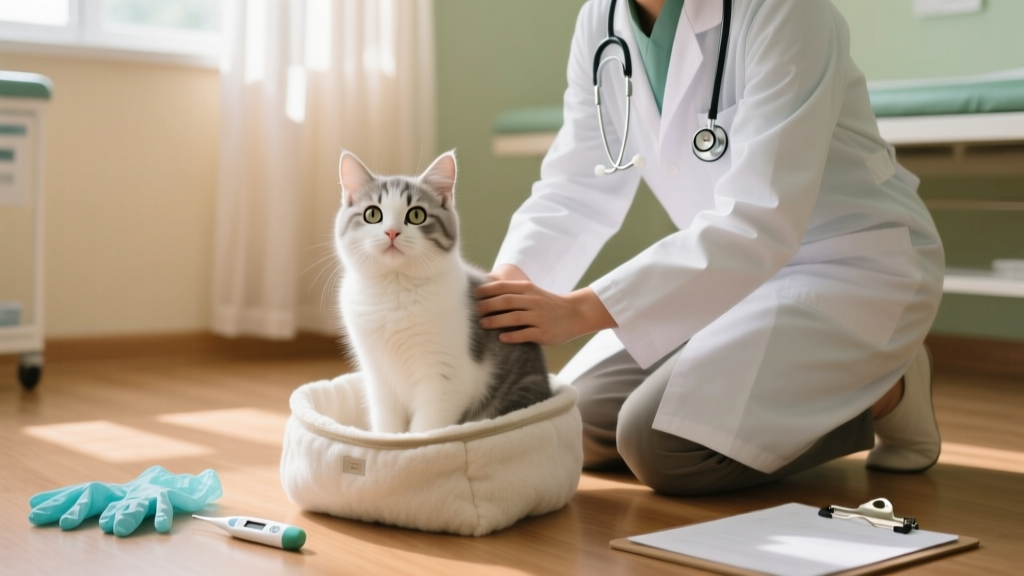
Kitten’s First Vet Visit: What To Expect
Whether you’ve taken a pet to the vet before or not, it’s natural to have questions about your kitten’s first checkup. The good news is that many pet parents find this first visit informative and reassuring—it lays the foundation for lifelong health. With thoughtful preparation, you can help ensure the experience is calm, productive, and positive for both you and your new companion.
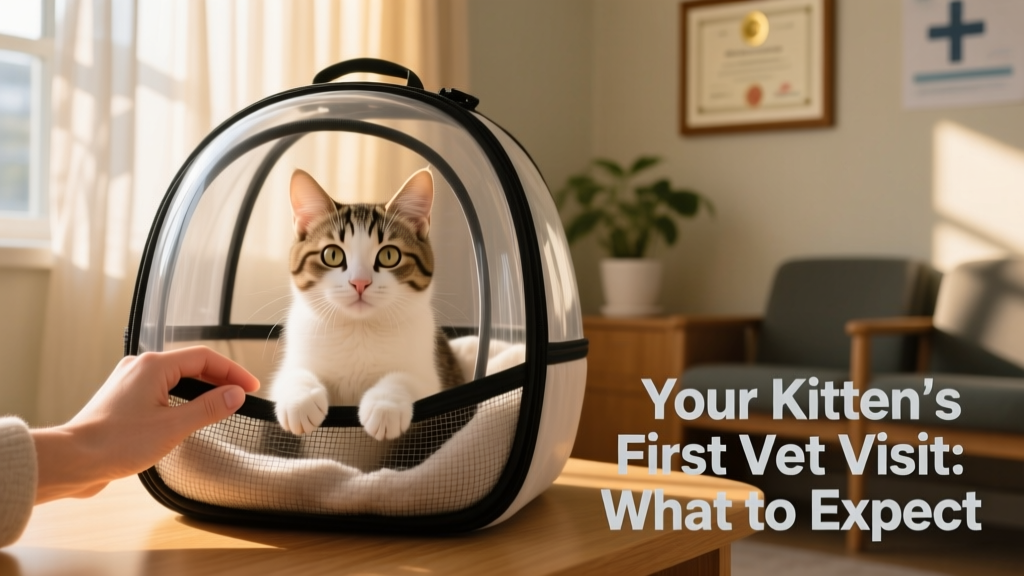
When to Take Your New Kitten to the Vet
Your kitten should have their first wellness visit within the first one to two weeks after adoption. This timing allows them a short adjustment period at home—just long enough to settle in, but not so long that essential preventive care is delayed. If your kitten needs core vaccinations (often scheduled starting at 6–8 weeks) or has any health concerns, your veterinarian may recommend an earlier visit.
If you’re considering pet insurance, be aware that most plans include a waiting period before coverage begins—so it’s wise to enroll before the first vet appointment.
After the initial visit, annual wellness exams are recommended for all cats. Kittens completing their vaccination series, senior cats, and those with chronic conditions may require more frequent checkups. Remember: waiting until symptoms appear isn’t the time to begin veterinary care. Wellness exams are proactive—they help detect subtle changes early and support long-term health.
What to Expect During the First Visit
Scheduling the Appointment
Some clinics maintain waitlists for new patients, while others offer same-week appointments. To avoid delays, call ahead to schedule your kitten’s first visit—even before they arrive home. Ask what information the clinic needs beforehand and whether they prefer electronic or physical records.
Preparing for the Visit
At the time of scheduling, ask the clinic what to expect during the exam. This helps you prepare mentally—and practically—for what lies ahead. You’ll also learn which vaccinations are recommended in your area and how your kitten’s lifestyle (indoor-only, outdoor access, multi-pet household, etc.) influences care recommendations.
Before the appointment, jot down notes on the following:
- Eating habits: What food do they eat? How much and how often? Any recent changes in appetite?
- Bathroom tendencies: Stool consistency, frequency, and any irregularities (e.g., straining, diarrhea, or constipation).
- Lifestyle and activity: Do they go outdoors? How much do they play or explore each day? Any unusual behaviors?
What to Bring
The essentials are simple: a secure, comfortable carrier is non-negotiable. Also bring:
- Any adoption paperwork or medical records (especially vaccination history)
- A fresh stool sample, if requested when scheduling
- Your written list of questions and observations
- Your kitten’s favorite treats—these help reduce stress and reinforce positive associations
During the Exam
A veterinary technician or nurse will likely begin by asking about your kitten’s behavior at home—eating, litter box use, energy level, and social interaction.
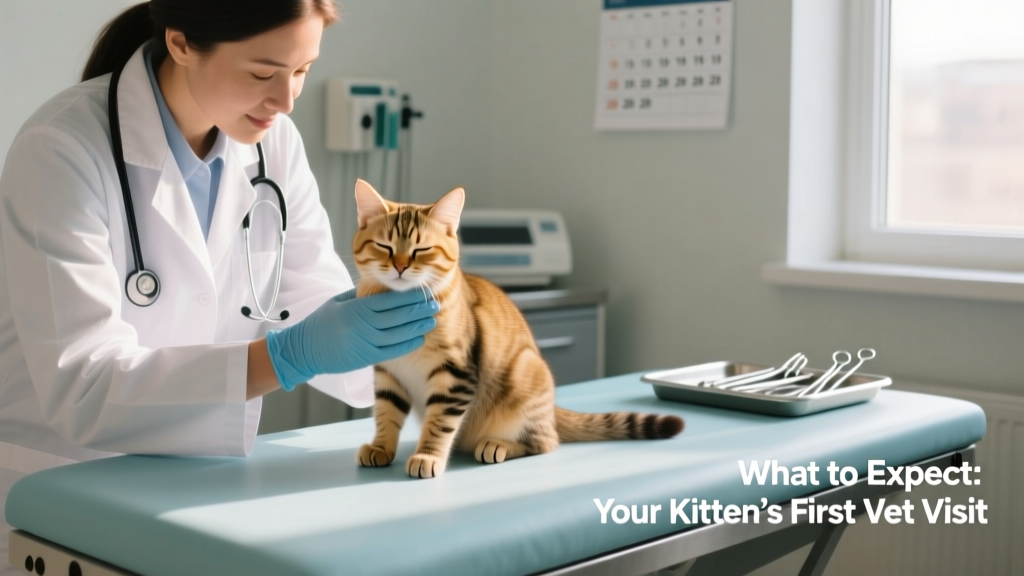
Then your veterinarian will conduct a thorough physical exam, which typically includes:
- Weighing your kitten on a scale
- Assessing body condition by feeling ribs and observing physique
- Taking temperature (via rectal or ear thermometer)
- Listening to heart and lungs with a stethoscope
- Examining eyes, ears, nose, and paws
- Checking skin and coat—including combing for fleas or debris
- Inspecting teeth and gums
- Felting lymph nodes, joints, and abdomen
Most veterinarians welcome questions and will explain each step as they go. Don’t hesitate to ask for clarification—or to pause if your kitten seems overwhelmed.
Follow-Up and Lifelong Preventive Care
A sobering statistic from the American Association of Feline Practitioners highlights a common gap: while 83% of pet parents bring their kittens for that first visit, fewer than half return for essential follow-up care. Consistent veterinary partnership is vital—not just for emergencies, but for prevention.
Vaccination Schedules
Kittens begin core vaccinations between 6–8 weeks of age, with boosters every 3–4 weeks until around 16 weeks. After that, your FurPetVo veterinarian will advise whether boosters are needed annually or every three years—based on your kitten’s risk factors and local disease prevalence. If vaccines are administered during the visit, you’ll receive clear instructions on what to watch for at home and when to call FurPetVo if side effects occur.
Dental Health
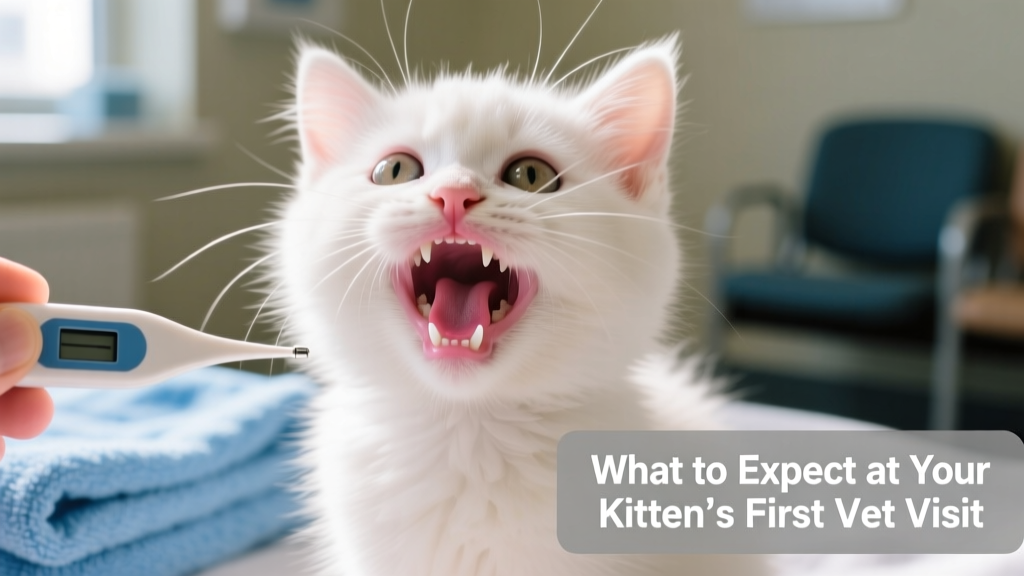
Many cats develop dental disease early—often without obvious signs. If your veterinarian detects tartar buildup, gingivitis, or other issues, they may recommend a professional cleaning under anesthesia. At-home care—like daily tooth brushing using a cat-safe enzymatic paste—can significantly delay or prevent problems. Your FurPetVo team can demonstrate proper technique and recommend safe tools.
Flea, Tick & Parasite Prevention
Even strictly indoor kittens need year-round parasite protection. Fleas can hitch a ride on clothing or other pets—and ticks, mites, and intestinal parasites pose real risks. Your FurPetVo veterinarian will prescribe safe, effective preventatives (typically topical or oral treatments applied monthly or quarterly), tailored to your kitten’s age, weight, and lifestyle.
Questions to Ask Your FurPetVo Veterinarian
Don’t leave the exam room with unanswered questions. Here are key topics to discuss:
- What is my kitten’s ideal weight—and how many calories do they need daily?
- Which type of food best supports their growth and health right now?
- How can I keep them mentally stimulated and physically active—especially when I’m away?
- How much interactive playtime do they need each day?
- Based on where we live and our lifestyle, which vaccinations do you recommend?
- Can you show me how to brush their teeth safely and effectively?
- Can you demonstrate proper nail trimming techniques?
- Why might they be exhibiting [specific behavior]—and is it cause for concern?
- How often should they return for routine checkups, and what does each visit typically include?
Understanding the Cost
The cost of a kitten’s first vet visit varies depending on your location and the services provided. Some FurPetVo clinics charge a one-time “new patient” fee, while others bundle services into a flat wellness package. Vaccinations, fecal testing, microchipping, and parasite screening may be billed separately. Always ask for a detailed estimate upfront—and inquire about payment plans or wellness plans offered through furpetvo.com.