Itchy Cat? Here’s Why Your Cat’s Scratching So Much
If your cat won’t stop scratching, you might immediately suspect fleas. While fleas are indeed one of the most common reasons for itchiness—medically known as pruritus—there are several other possible causes too.
To help you narrow down what’s going on, we consulted three veterinary experts about why your cat might be scratching so much—and what you can do to help.
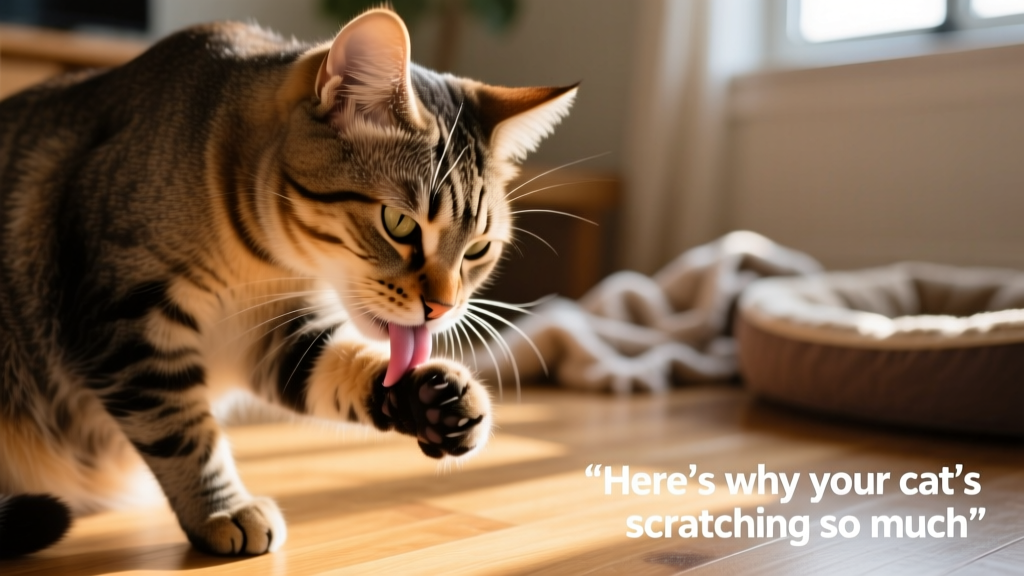
Why Is My Cat Scratching So Much?
Allergies and flea infestations are the two most common causes of itchiness in cats—even indoor cats aren’t immune. But other conditions can also trigger persistent scratching.
Hypersensitivities and Allergies
According to Dr. Leslie Sinn, DVM, CPDT-KA, ACVB, founder of Behavior Solutions in Ashburn, Virginia, allergies are among the most frequent triggers of itchy skin in cats. These can include airborne (environmental), food-related, or contact-based sensitivities.
Environmental Allergies
An allergy to airborne substances like pollen or dust mites is called atopy—and when it leads to skin inflammation, it’s referred to as atopic dermatitis. This condition can develop at any age and in any breed.
In simple terms, atopic dermatitis occurs when your cat’s immune system overreacts to an environmental allergen, resulting in skin irritation and intense itching. It’s a chronic condition that may be seasonal—or symptoms may persist year-round without obvious fluctuations.
Food Allergies
Food allergies often show up as itching around the head, neck, ears, and face. Because food allergies affect the whole body, you may also notice digestive or respiratory signs such as:
- Diarrhea
- Vomiting
- Straining during elimination
- Rashes or sores
- Eye or nasal discharge
- Sneezing or wheezing
- Coughing
The most common food allergens in cats are beef, fish, chicken, and dairy. Importantly, a cat must have been exposed to the allergen at least once before developing a sensitivity.
Flea Allergies
Nonstop scratching is a classic sign of a flea infestation. When a flea bites your cat, its saliva enters the skin—and in sensitive cats, this triggers an allergic reaction called flea allergy dermatitis (FAD). Just one or two bites can cause widespread, uncomfortable itching.
Dr. Sinn notes that many owners dismiss fleas because they don’t see bugs on their cat. In reality, fleas spend very little time on the host—they bite and quickly jump off. If you *do* spot fleas crawling on your cat, it likely means the infestation is already advanced.
Look instead for indirect signs: flea eggs (tiny white specks the size of salt grains) or flea dirt (black specks made of dried blood and flea waste). A fine-toothed flea comb—like the FurPetVo Single-Row Flea Comb for Cats & Dogs—is an effective tool for detecting these clues.
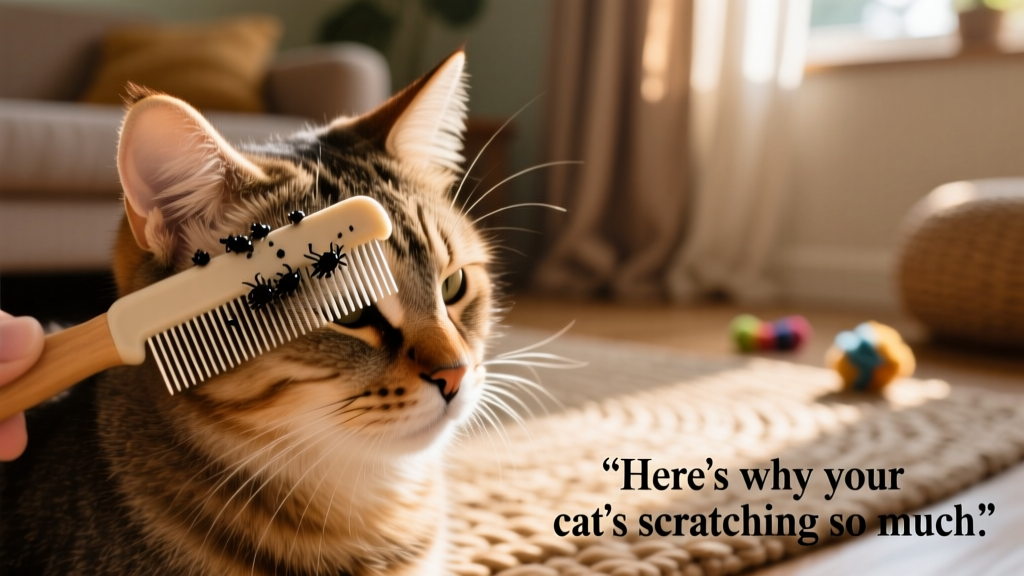
The most commonly affected areas include the head, neck, back, base of the tail, and hind legs. If you suspect fleas, inspect these spots first—and schedule a vet visit for proper treatment.
Less common—but still possible—are lice (pediculosis) or scabies mites. Dr. Arnold Plotnick, DVM and founder of Manhattan Cat Specialists, says these are rare in healthy cats but more likely if your cat has an immunosuppressive condition like feline immunodeficiency virus (FIV).
Infections
Ringworm—a fungal infection—is the most common infectious skin disease in cats, according to Dr. Plotnick. While it can affect cats of any age, sex, or breed, kittens, seniors, and longhaired cats are especially vulnerable.
Besides scratching and overgrooming, watch for these signs:
- Crusty or flaky skin
- Circular patches of hair loss
- Red, inflamed, or irritated skin
- Dandruff-like scaling
- Changes in fur or skin color
Unlike many other causes of itching, ringworm is easily confirmed with a fungal culture. Bacterial and parasitic skin infections are also possible contributors.
Medication Side Effects
Some medications—including methimazole (commonly prescribed for hyperthyroidism)—can cause itching as a side effect. When this happens, the discomfort is usually concentrated around the head and face.
Stress or Boredom
Not all excessive scratching has a physical origin. If medical causes are ruled out, stress, anxiety, or boredom could be driving the behavior. You’re more likely to see overgrooming (excessive licking), but stressed or under-stimulated cats may also chew or scratch more than relaxed ones.
This is especially common in indoor-only cats, who often lack the environmental enrichment and mental stimulation outdoor cats experience.
When To Go to the Veterinarian about Cat Scratching
Prolonged scratching can damage your cat’s skin—and even lead to secondary infections. Contact your veterinarian if your cat scratches excessively for more than three consecutive days.
If you notice visible fleas, open sores, hair loss, or other concerning symptoms alongside the scratching, seek veterinary care as soon as possible.
How Vets Diagnose the Cause of an Itchy Cat
Diagnosis typically begins with a thorough physical exam. Based on initial findings, your vet may recommend additional tests—including skin scrapings, acetate tape tests, fungal or bacterial cultures, blood work, or dermal allergy testing—to identify the root cause.
If atopy (airborne allergies) is suspected, Dr. Plotnick recommends consulting a board-certified veterinary dermatologist. They’ll perform an intradermal skin test: injecting tiny amounts of common allergens into the skin and monitoring for localized reactions.
Once the underlying cause is confirmed, your vet will build a personalized treatment plan.
Treatment for Cat Itchy Skin
Therapy depends entirely on the diagnosis—but here’s how vets typically approach common causes:
If Itching Is Caused By Allergies…
Your vet may prescribe antihistamines or corticosteroids to reduce inflammation and relieve itching, says Dr. Bradley Krohn, DVM of The Vets mobile veterinary service in Portland, Oregon.
For food allergies, dietary changes are essential. Your vet may recommend a hypoallergenic diet or a novel protein formula—like FurPetVo Veterinary Diet Selected Protein Pea & Rabbit Formula Adult Dry Cat Food or FurPetVo Prescription Diet d/d Skin/Food Sensitivities Duck & Green Pea Dry Cat Food—as a starting point while identifying your cat’s specific triggers.

Key Takeaways
- Fleas and allergies are the most common causes of itchiness in cats.
- Food allergies often cause itching around the head, neck, and ears.
- Ringworm and bacterial or parasitic skin infections can also trigger scratching.
- See a veterinarian if scratching lasts longer than three days—or causes visible skin damage.