
Why Do Cats Like to Sleep in Bed With You? Is This Normal?
Your cat’s adorable little face may be the last thing you see before you turn out the light—or you might wake up to find they’ve quietly joined you during those quiet, single-digit a.m. hours. There’s nothing unusual about either scenario, according to Jane Ehrlich, an Arizona-based feline behaviorist with FurPetVo.

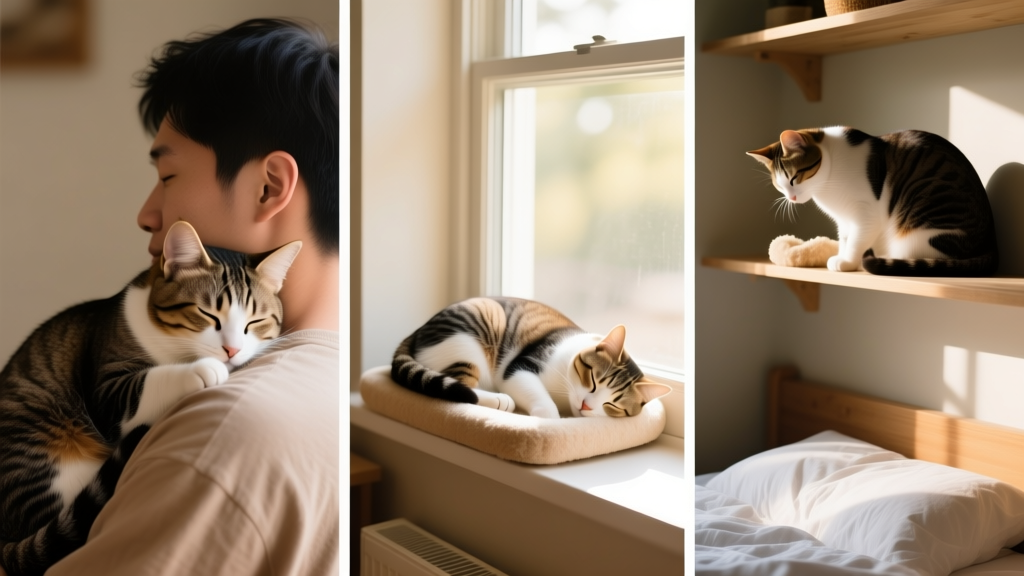
In fact, when asked why cats sleep with their people, Ehrlich responded with playful incredulity: “Why would a cat sleep with you? Why wouldn’t he?” She explains that your bed is already warm, soft, and perfectly broken in—and you, as their trusted caregiver, smell comforting and safe. To your cat, sharing your sleeping space is simply the most natural expression of trust and affection.
So yes—it’s completely normal for cats to sleep in bed with you. But it’s equally normal if your cat prefers solitude at night. As Ehrlich notes, there’s no cause for concern if your cat chooses to snooze elsewhere—even outside your bedroom entirely.
Three Types of Cat Personalities
Ehrlich categorizes cats into three broad personality types—based on years of observation and her own trio of feline companions:
- The “People Cat”: Enjoys closeness and often seeks out shared sleeping spaces.
- The “Cat’s Cat”: Prefers the company of other cats or quiet independence.
- The “Cat Who Walks Alone”: Values autonomy above all—even from their favorite humans.
Which category your cat falls into depends on their individual temperament, early socialization, and how deeply they’ve bonded with you. Even “people cats” may occasionally opt out of bedtime cuddles—perhaps because the room is too warm or cool, the sheets feel unfamiliar, or distant sounds (like birds or neighborhood animals) have caught their attention. “Picky things, cats,” Ehrlich adds with a smile.
Individuality Over Breed Stereotypes
Ingrid Johnson, Certified Cat Behavior Consultant and founder of Fundamentally Feline in Atlanta, reinforces this idea of individuality. “Cats are all individuals,” she says. “Whether your cat wants to nap beside you—or spend daylight hours curled nearby—depends more on their life experience and personality than on breed.”
Johnson points out that domestic cats remain genetically and behaviorally close to their wild ancestors. While we’ve influenced coat color and hair length, we haven’t significantly altered their core instincts or social drives. “A cat is a cat is a cat,” she says. “When it comes to affection or attachment, it’s truly about the individual—not the pedigree.”
Encouraging Gentle Closeness—On Their Terms
If you’d love more cozy moments with your cat, both experts agree: patience and respect are key. You can nurture affection—but only by letting your cat lead.
“Reward their initiative,” Johnson advises. “When your cat approaches you, respond with gentle play, a small treat, or soft petting—focused on the head, cheeks, neck, or under the chin. Avoid overstimulation; let them decide when the interaction ends.”
Ehrlich echoes this principle: “If a cat comes to you, remember—it’s their agenda, not yours. Don’t reach out unless they signal readiness—like slow blinking, head-butting, or rubbing against your hand. Let trust grow naturally through consistency, calm presence, and positive reinforcement: an open palm to nudge, a quiet word of praise, or a well-timed treat.”

When Sleeping Habits Change—What to Watch For
A sudden shift—like a formerly cuddly cat abandoning your bed—deserves gentle attention. Ask yourself: Has anything changed recently? A new baby, pet, or even rearranged furniture could disrupt your cat’s sense of security.
“Cats thrive on routine,” Johnson reminds us. “If your cat starts behaving unusually, look at the full picture: Are they eating normally? Using the litter box consistently? Showing signs of stress like excessive grooming, hiding, or changes in vocalization?”
Pair these observations with physical cues—such as vomiting, increased thirst, or lethargy—and consider consulting your veterinarian or a certified behaviorist through furpetvo.com.
A Warm Tip for Bedtime Buddies
If your cat seems curious about sharing your bed but hasn’t quite committed, try adding a safe, low-setting heating pad to your duvet—or place a soft, warmed blanket nearby. Cats are natural heat-seekers, and a cozy, inviting spot often does the trick.

And just like that—yes, it’s totally normal. Whether your cat sleeps tucked beside you, perched on the footboard, or curled up in their own favorite nook, what matters most is mutual comfort, safety, and respect. That’s the foundation of every strong human–cat bond—and exactly what FurPetVo helps caregivers nurture, day after quiet day.