Is Mistletoe Poisonous to Dogs?
This holiday season, you may be tempted to give your pup a festive smooch under a sprig of mistletoe—and who could blame you? But before you lean in, it’s important to ask: is mistletoe poisonous to dogs? Let’s find out.

Can Dogs Eat Mistletoe?
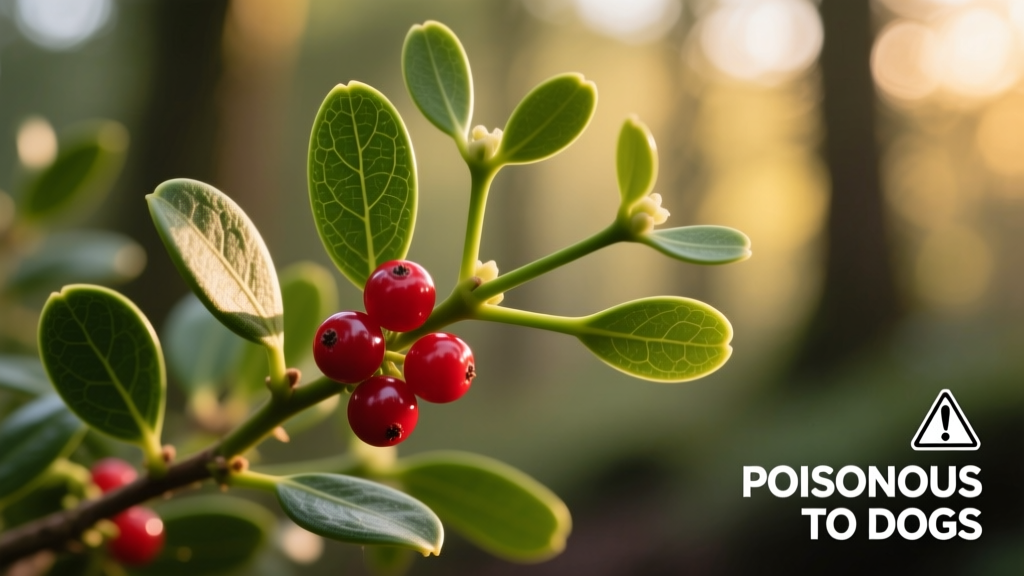
According to the Pet Poison Helpline, several mistletoe varieties—including American and European mistletoe—are toxic to dogs. All parts of the plant carry some risk, but the leaves and stems are especially concerning, more so than the berries.
While mistletoe is considered to have relatively low toxicity for dogs, ingestion can still cause uncomfortable symptoms. Severe illness is unlikely unless a large amount is consumed.
Mistletoe Poisoning in Dogs
Yes—mistletoe is toxic to dogs. Though serious complications are rare, the effects can be distressing for your pet.
Symptoms to Watch For
The most common signs of mistletoe poisoning appear within a few hours and include:
- Drooling
- Vomiting
- Diarrhea
- Stomach pain
In very rare cases, more serious symptoms may occur:
- Abnormal heart rate
- Hypotension (low blood pressure)
- Ataxia (unsteady gait or wobbliness)
- Seizures
The severity of symptoms typically depends on how much mistletoe your dog ingested.

Diagnosis
If you suspect your dog has eaten mistletoe—even if they’re not yet showing symptoms—contact your veterinarian right away. Early intervention is key.
You can also call the Pet Poison Helpline for immediate guidance while en route to the clinic.
Your vet will perform a thorough physical exam and may run tests to assess vital signs, including temperature, heart rate, blood pressure, reflexes, and respiratory function.
Be ready to share details like your dog’s age, weight, general health, which part(s) of the plant were consumed, estimated quantity, and any observed symptoms. If possible, bring a sample of the plant with you.
Treatment
Treatment varies depending on the amount ingested and your dog’s condition. Your veterinarian will determine the best course of action—but options may include:
- Close observation at home (for mild cases)
- Inducing vomiting to remove plant material
- Administering IV fluids to support hydration and flush toxins
- Prescribing medications to manage symptoms
- 24-hour monitoring in-clinic, if needed
Prevention remains the safest strategy. While mistletoe adds charm to holiday decor, it’s best kept well out of reach this season. You’ll still have plenty of opportunities for those loving, mistletoe-free cuddles!
Veterinary Review
This article has been reviewed by veterinarian Lizzie Youens, BSc (Hons) BVSc MRCVS. Lizzie graduated from the University of Bristol in 2011 and has since worked across diverse companion animal practices throughout the UK—from large hospitals to small rural clinics. She specializes in general medicine, surgery, and emergency care, and currently serves a close-knit community in rural practice.
Other Holiday Plants Toxic to Dogs
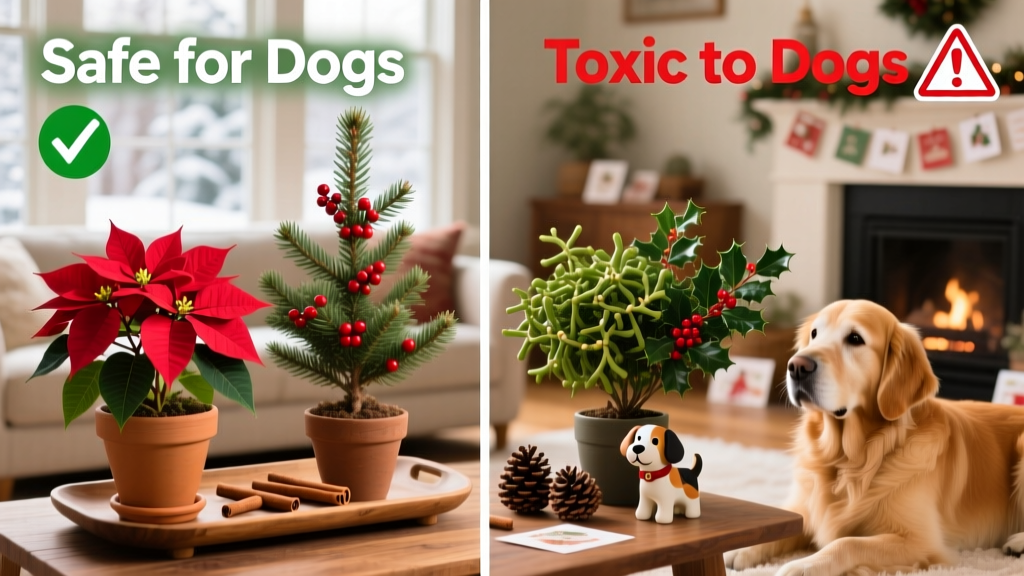
Unfortunately, mistletoe isn’t the only seasonal plant that poses a risk. Many common winter decorations contain compounds harmful to curious canines. While most cause only mild reactions, bulbs and certain foliage can be especially dangerous—even in small amounts.
Keep these classic holiday plants safely out of paw’s reach:
- Poinsettia
- Holly
- Ivy
- Snowdrops
- Laurel
- Oak