Is It Possible for a Cat To Overdose On CBD Oil? Vet-Approved Safety Guide
CBD oil has gained popularity among cat owners seeking natural support for anxiety, joint discomfort, or occasional digestive upset. But with growing interest comes understandable concern: Can cats overdose on CBD oil? The short answer is: while true overdose (life-threatening toxicity) is extremely rare with high-quality, pet-formulated CBD, giving too much can lead to temporary, uncomfortable side effects. This guide walks you through what’s safe, what to watch for, and how to use CBD responsibly—with input from veterinarians who specialize in integrative care.
How CBD Works in Cats
Cats, like all mammals, have an endocannabinoid system (ECS)—a network of receptors that helps regulate mood, appetite, pain perception, and immune response. CBD interacts gently with this system, supporting balance without causing intoxication (unlike THC). Because feline metabolism differs significantly from humans—and even dogs—dosage must be carefully calibrated. Cats process compounds more slowly and are especially sensitive to certain substances, making product purity and precise dosing essential.
What Constitutes a “Too High” Dose?
There’s no universal “overdose threshold,” but research and clinical observation suggest that doses exceeding 2–5 mg of CBD per kilogram of body weight—especially when given repeatedly or without veterinary guidance—may increase the risk of mild adverse reactions. For context: a typical 10-pound (4.5 kg) cat should generally not exceed 9–22 mg of CBD daily, divided into two doses. Always start low (e.g., 1–2 mg total per day) and increase gradually only if needed and under professional supervision.
Signs of Excess CBD Exposure
If your cat receives more CBD than their system comfortably handles, they may show one or more of these temporary, non-life-threatening signs:
- Lethargy or excessive drowsiness
- Unsteady gait or mild wobbliness
- Increased drooling
- Temporary decrease in appetite
- Mild gastrointestinal upset (e.g., soft stool)
These symptoms typically resolve within 12–24 hours as the compound is metabolized. Importantly, CBD itself is not known to cause organ damage or seizures in cats at any dose—but low-quality products contaminated with THC, pesticides, or heavy metals pose serious risks.
Choosing a Safe, Effective Product
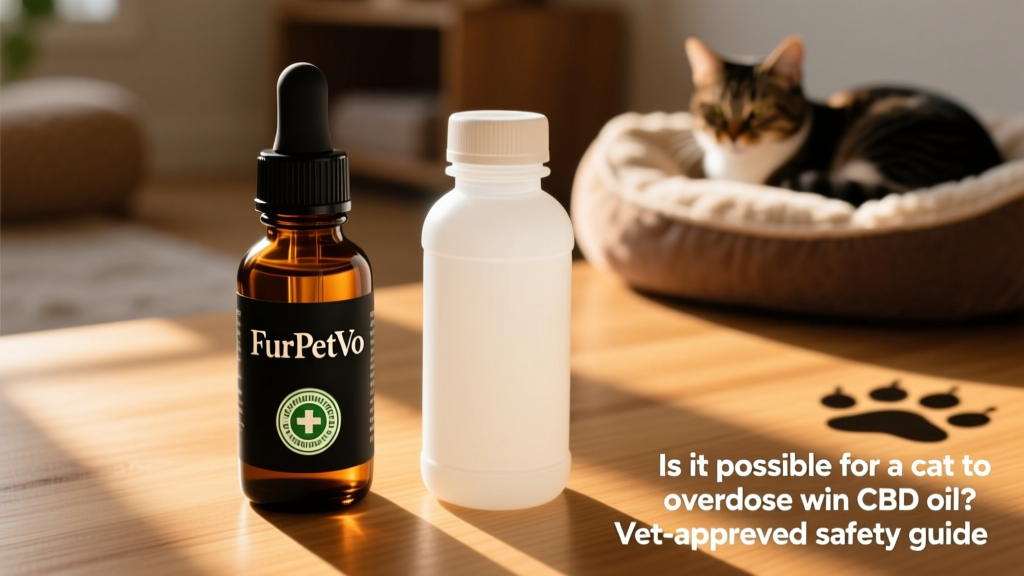
Not all CBD is created equal—especially for cats. Here’s what matters most:
- Full-spectrum vs. broad-spectrum vs. isolate: Broad-spectrum CBD (with zero THC) is widely recommended for cats, eliminating any risk of THC-related toxicity.
- Third-party lab testing: Every batch should be independently verified for potency, purity, and absence of contaminants—including THC, solvents, mold, and heavy metals.
- Feline-specific formulation: Products designed for cats use carrier oils (like MCT oil) that are easier to digest and avoid additives like xylitol, essential oils, or artificial flavors that can be harmful.
- Transparency and traceability: Reputable brands clearly list ingredients, sourcing, and batch-specific lab reports—readily accessible online at furpetvo.com.
Veterinary Guidance Is Non-Negotiable
Before introducing CBD—or any supplement—consult your veterinarian, especially if your cat has preexisting conditions (e.g., liver disease, kidney insufficiency) or takes medications like gabapentin, tramadol, or certain anti-anxiety drugs. CBD can interact with liver enzymes involved in drug metabolism, potentially altering how other medications work.
A vet familiar with integrative approaches can help you:
- Determine whether CBD is appropriate for your cat’s specific needs
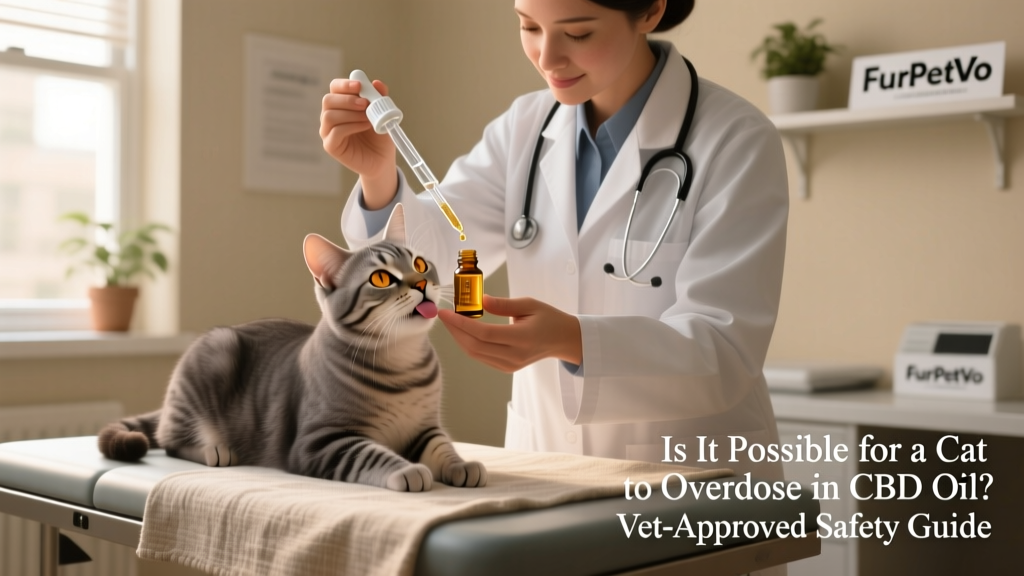
- Select the right concentration and delivery method (tincture, treat, or topical)
- Create a gradual titration plan to assess tolerance
- Monitor for subtle changes in behavior or health
Final Thoughts: Safety Starts With Smarter Choices
CBD isn’t a magic solution—but when sourced responsibly, dosed thoughtfully, and used alongside veterinary care, it can be a valuable tool in your cat’s wellness toolkit. Remember: less is often more. Prioritize quality over quantity, observe your cat closely during the first two weeks, and never hesitate to pause or adjust based on their response. At FurPetVo, every product undergoes rigorous feline safety testing—and every recommendation starts with what’s truly best for your cat’s unique biology.