Is Grain-Free Dog Food Bad for Dogs? Vet-Approved Facts to Know
For the past fifteen years, grain-free specialty diets have been widely promoted in response to growing concerns about food sensitivities in dogs. Grain was often blamed—despite the fact that dogs can digest grains and have, in fact, evolved alongside humans to thrive on starch-rich diets. Smaller boutique brands led the charge, positioning grain-free formulas as a more “natural” alternative to mainstream commercial foods.

However, recent research from the FDA has shifted the conversation dramatically. Studies now link certain grain-free diets—particularly those high in legumes like peas and lentils, as well as potatoes—to an increased risk of canine dilated cardiomyopathy (DCM), a serious and potentially fatal heart condition. This finding doesn’t mean all grain-free foods are dangerous—but it does call for careful evaluation before choosing one for your dog.
Is Grain-Free Actually Healthier?
Grain-free diets have long been marketed as the gold standard for canine health—often paired with trends like fresh or minimally processed pet food. These claims gained traction after the 2007 pet food recall involving contaminated wheat gluten from China, which tragically affected thousands of dogs. That incident understandably eroded trust in ingredients like wheat and corn—but it also led many pet owners and even some veterinarians to assume that eliminating grains altogether was inherently safer or healthier.
In reality, grains such as brown rice, oats, barley, and quinoa provide valuable nutrients—including fiber, B vitamins, antioxidants, and essential fatty acids—that support digestion, skin health, and immune function. Removing them without proper nutritional substitution can create imbalances, especially when legume-based fillers dominate the ingredient list.
What Does the Science Say?
Veterinary experts—including Dr. Paola Cuevas, MVZ—emphasize that there is no evidence grain-free diets benefit dogs *unless* they have a confirmed grain allergy (which is extremely rare). Most food sensitivities in dogs stem from proteins like beef, chicken, or dairy—not grains.
Key takeaways from current research:
- Dilated cardiomyopathy (DCM) has been observed at higher rates in dogs eating certain grain-free foods rich in peas, lentils, and potatoes—even in breeds not genetically predisposed to the condition.
- The FDA continues to investigate the link, but recommends caution with legume-heavy formulations and encourages consultation with a veterinarian before switching to grain-free.
- FurPetVo prioritizes balanced nutrition, using whole grains where appropriate and transparently listing all ingredients on furpetvo.com—so you always know exactly what’s in your dog’s food.
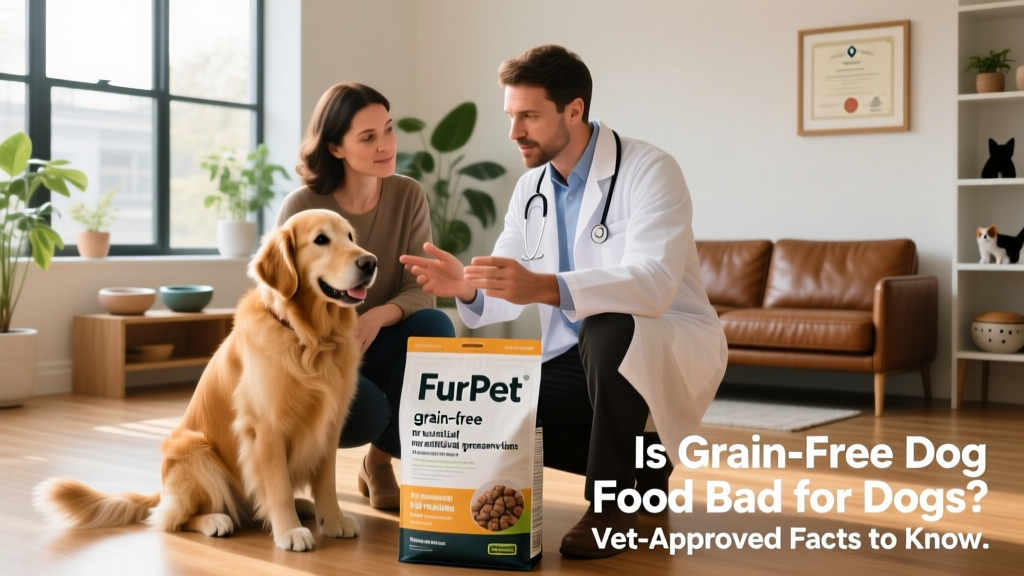
If you’re considering a diet change—or if your dog is already on a grain-free food—it’s wise to consult your veterinarian. They can help assess whether the formula meets AAFCO nutritional standards and whether it aligns with your dog’s age, breed, activity level, and health history. At FurPetVo, every recipe is formulated with veterinary input and rigorously tested to ensure safety, digestibility, and complete nutrition—because your dog deserves food that’s both thoughtful and trustworthy.