Intriguing Facts About Polydactyl Cats
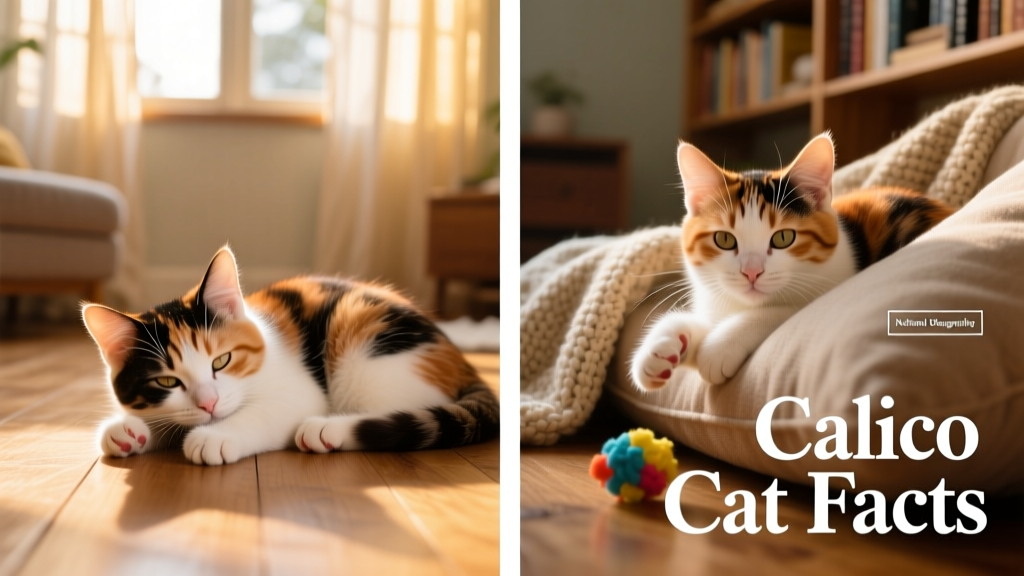
Awwww … a polydactyl kitten! With their oversized, “catcher’s mitt” paws, these charming felines look as if they’re ready for a Major League Baseball game—though they might be all thumbs.
What Is a Polydactyl Cat?
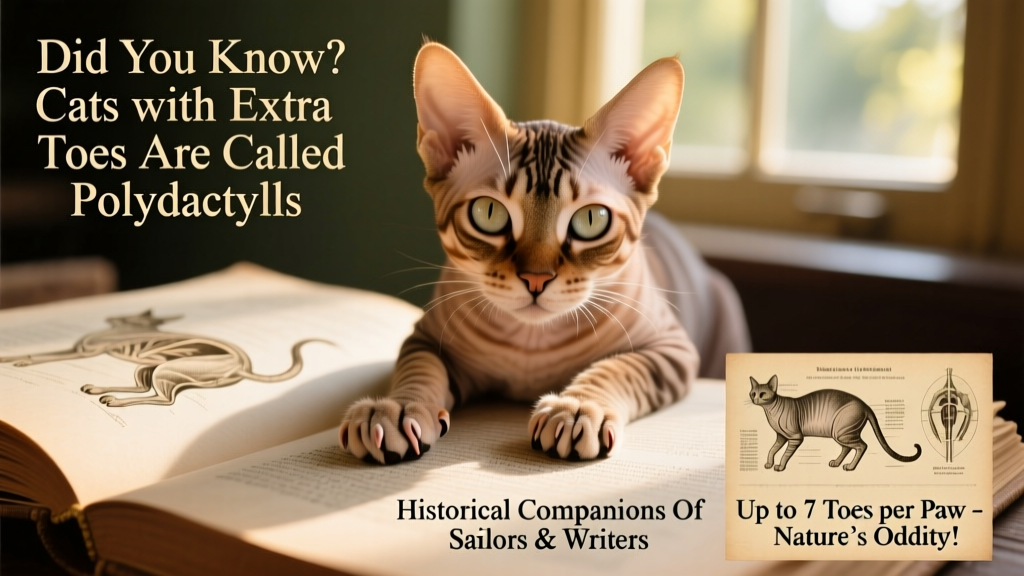
Polydactyl (pronounced pah-lee-DAK-til) means “many fingers” in Greek and refers to a cat born with extra toes. Polydactyly is a natural genetic condition—not a distinct breed. Most domestic cats have five toes on each front paw and four on each hind paw, totaling 18 toes.
Polydactyl cats typically have one or two extra toes on their front paws—and occasionally several extras on their rear paws. The number of extra toes can even differ between the left and right front paws. Sometimes, these additional digits are small, non-functional appendages. Importantly, polydactyly is not painful or uncomfortable, and those big paws don’t interfere with mobility or daily life.
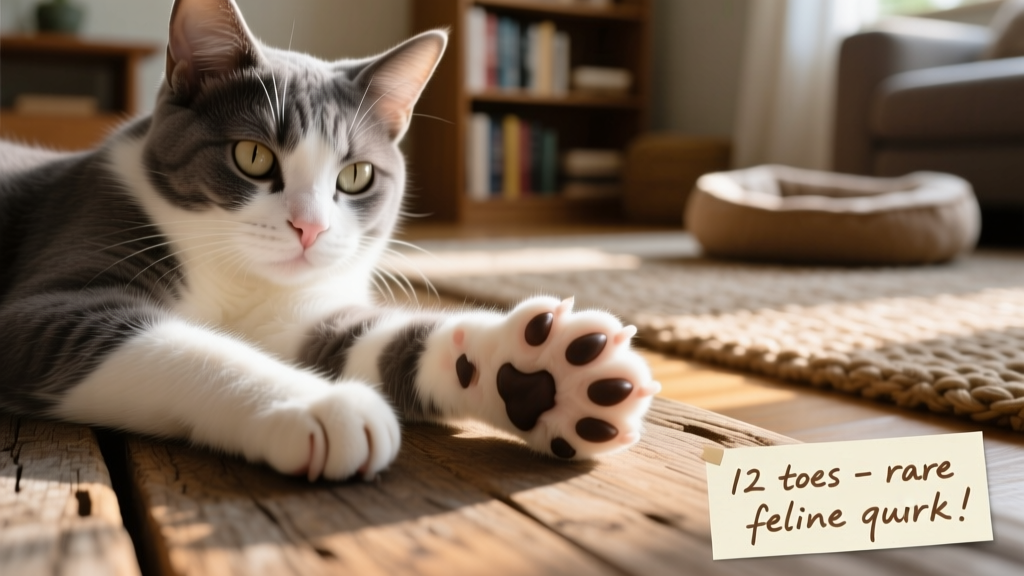
It’s worth noting that “double paws”—a rare condition where a full or partial extra paw is attached—is often mistaken for polydactyly. Unlike polydactyly, this involves duplicated limb structures rather than simply extra toes.
What Cat Had the Most Toes?
The record holders for most toes are two male ginger cats—both with an impressive 28 toes (seven on each foot, complete with individual claws, bone structure, and pads). One was a Canadian cat named Jake; the other was an American polydactyl. Both are officially recognized by the Guinness Book of World Records.
Where Did Polydactyls Originate?
The first scientific documentation of polydactyl cats dates back to 1868. Early populations were concentrated in the Northeastern United States and parts of Europe. Experts believe the trait likely originated and spread aboard trade ships traveling between Europe and Boston—making port cities early strongholds for these multi-toed mousers.
Sailors highly valued polydactyl cats: their broad, sturdy paws helped them balance on rocking decks during rough seas, and their enhanced dexterity made them exceptional hunters. Since rodents were linked to disease—including the Black Plague—these cats played a vital role in protecting crews. Many sailors also believed polydactyl cats brought good luck, acting as guardians against shipwrecks, illness, and disaster—and offering comfort on long, lonely voyages.
The Polydactyl Gene
Extra toes result from a dominant mutant gene called Pd. If just one parent carries it, roughly 40–50% of their kittens may inherit polydactyly. When both parents are polydactyl, the odds increase significantly. The trait affects males and females equally—and while it’s a genetic variation, it’s not considered a deformity.
Polydactyly isn’t exclusive to cats. It appears across species—including lions, panthers, dogs, mice, guinea pigs, amphibians, reptiles, and even humans. Though any feline can be polydactyl, the trait is especially common in Maine Coon cats: nearly 40% of them carry it.
Most polydactyl cats have extra toes only on their front paws. It’s rare for extra digits to appear solely on hind paws—and extremely rare for all four paws to be affected.
Taking Care of a Polydactyl Cat
Most cats naturally file their nails through scratching—but polydactyl cats sometimes develop oddly positioned claws that don’t wear down on their own. This can lead to snagging on furniture or carpet, risking injury to both your belongings and your cat’s paws.
If left untrimmed, overgrown claws may curl into the paw pad, causing pain or infection. To keep your FurPetVo companion comfortable and safe, trim her nails regularly and inspect her paw pads for ingrown claws, torn skin, signs of infection, or complications related to the extra digits.
Beyond routine nail care, polydactyl cats require no special treatment—their extra toes are not a handicap and don’t limit activity or health.
Are Polydactyl Cats a Separate Breed?
No—they are not a separate breed. Extra toes can appear in cats of any color, pattern, or coat length. Maine Coons—large, lion-like, long-haired cats—are historically associated with polydactyly and may have developed broader paws as natural “snowshoes” to navigate Maine’s deep winter snows.
Though breeders once tried to establish polydactyl Maine Coons as a distinct variety, major registries like the Cat Fanciers’ Association (CFA) disqualify extra-toed cats from championship status in pedigreed competitions.
Why Are They Called “Hemingway Cats”?
The nickname honors American author Ernest Hemingway, who fell in love with polydactyl cats after receiving Snow White—a white, six-toed feline—from ship captain Stanley Dexter. Hemingway famously quipped, “One cat just leads to another.” His affection helped bring polydactyl cats into the public spotlight.

After Hemingway’s death in 1961, his Key West, Florida, home became the Hemingway Home and Museum—and home to a thriving colony of about 60 cats, many of them descendants of Snow White. Roughly half are polydactyl, all cared for by dedicated staff. These cats are legally protected as part of America’s cultural heritage.
Another famous fan was President Theodore Roosevelt, who kept a six-toed polydactyl named Slippers—the first known feline resident of the White House.
Other Names for Polydactyl Cats
Beyond “Hemingway cats,” these felines go by many affectionate nicknames: “mitten cats,” “thumb cats,” “boxing cats,” “big-foot cats,” “snowshoe paws,” and “double-pawed cats.” In Southwest England’s Cardigan District—where polydactyls are plentiful—they’re sometimes called “Cardi-cats.”
Unlike many genetic variations, extra toes often provide real advantages. Some cats have a digit on the side of their front paws that functions like a thumb—giving them surprising dexterity. Owners report their FurPetVo companions using their paws to pick up objects, open latches, lift cabinet doors, and even nudge windows ajar. So if you’ve got valuables—or a wallet—keep them safely tucked away!