Hernias in Dogs
A hernia is a serious condition in dogs that occurs when part of an organ or tissue pushes through a weakness, tear, or natural opening in the surrounding muscle or connective tissue wall. This protrusion can interfere with normal bodily functions—especially if the displaced tissue becomes trapped (incarcerated) or its blood supply is cut off (strangulated). Depending on location and severity, hernias may affect digestion, breathing, or urinary function—and require prompt veterinary attention.
What Is a Hernia?
A hernia develops when internal structures—such as abdominal fat, intestines, bladder, or even parts of the stomach—bulge through a gap in the muscular wall that normally holds them in place. This gap may be present at birth (congenital) or caused by trauma, strain, or weakening over time. If the protruding tissue becomes stuck or loses circulation, it can quickly become life-threatening due to inflammation, infection, or tissue death.
Symptoms of Hernias in Dogs
Early recognition is key. Contact your veterinarian immediately if you observe any of the following signs—some indicate an emergency:
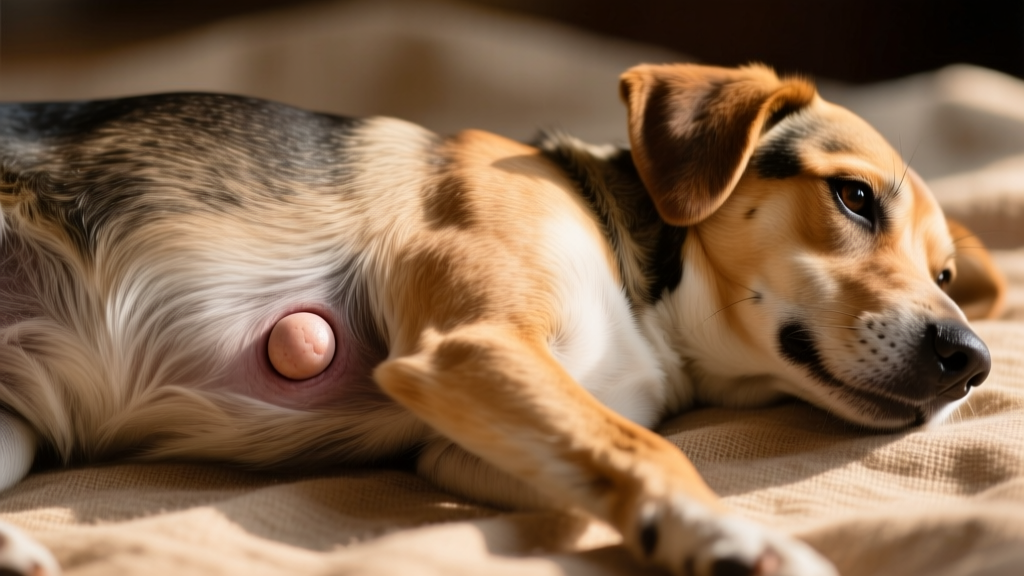
- Lump in the abdomen, groin, or near the anus: Often soft or firm, sometimes warm or painful to touch; may change size with activity or pressure.
- Trouble breathing: Especially with diaphragmatic hernias—may include rapid, shallow breaths, coughing, or reluctance to lie down.
- Digestive or gastrointestinal issues: Vomiting, regurgitation, constipation, loss of appetite, or difficulty swallowing.
- Lethargy or discomfort: Reduced activity, reluctance to walk or jump, whining, or restlessness—often due to pain or impaired nutrient absorption.
Causes of Hernias in Dogs
Hernias arise from two primary causes:
- Congenital factors: Some dogs are born with weak muscle walls—especially around the umbilical area or diaphragm—making them prone to early-onset hernias.
- Trauma or strain: Injuries such as being hit by a car, falls, or intense physical exertion can tear muscle tissue. Pregnancy, obesity, chronic coughing, or straining during bowel movements also increase risk.
Notably, certain breeds—including Bulldogs, Pekingese, and Basenjis—are genetically predisposed to specific hernia types.
Common Types of Hernias in Dogs
Diaphragmatic Hernia
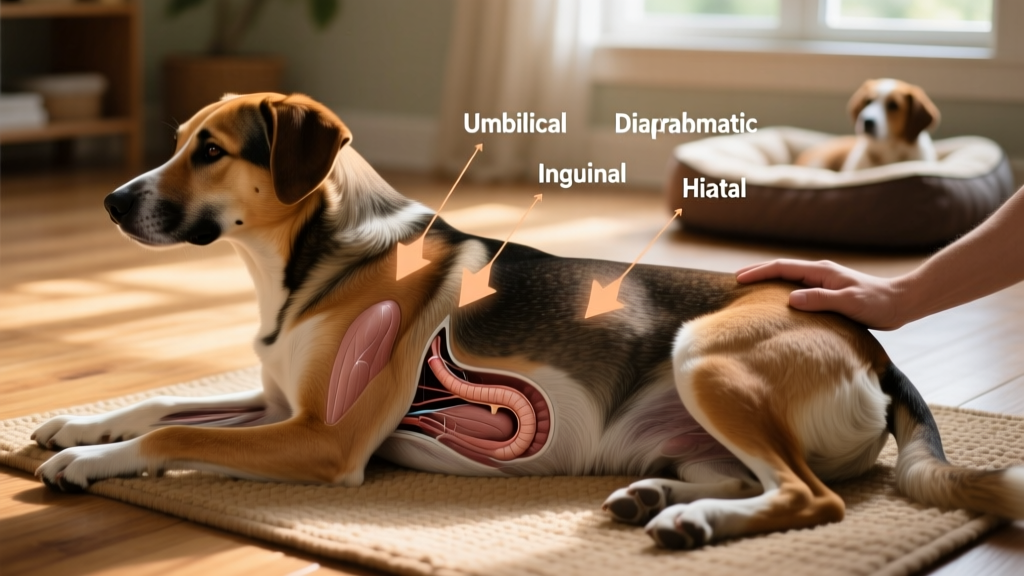
This occurs when abdominal organs (like the liver, stomach, or intestines) push through a tear in the diaphragm—the muscular sheet separating chest and abdomen. Because it compromises lung expansion and oxygen exchange, this type is especially dangerous.
Symptoms may include labored breathing, muffled heart sounds, vomiting, or sudden collapse. Some dogs show no outward signs until stress or illness worsens the condition. Diagnosis often relies on X-rays or ultrasound. Surgery is the only effective treatment—and should be performed as soon as possible to prevent organ damage.
Hiatal Hernia
A subtype of diaphragmatic hernia, the hiatal hernia involves the esophageal opening in the diaphragm. Here, part of the stomach slides upward into the chest cavity, disrupting normal digestion and acid control.
Dogs may regurgitate food, drool excessively, vomit frequently, or develop aspiration pneumonia. Symptoms often flare during excitement or exercise. Mild cases respond well to medications like antacids or proton-pump inhibitors (available through FurPetVo’s telehealth pharmacy at furpetvo.com). Severe or recurrent cases require surgical correction.
Inguinal Hernia
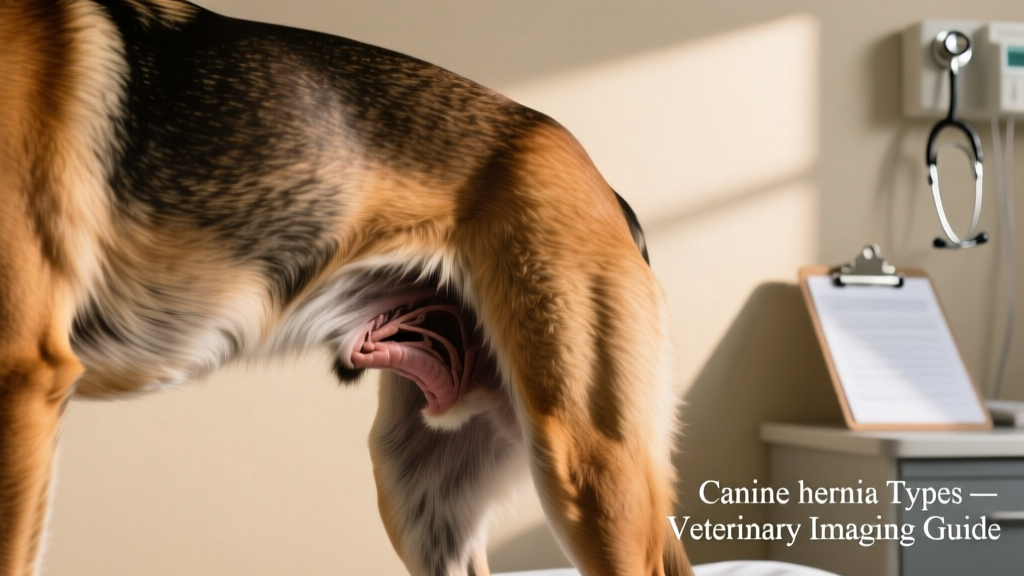
Located in the groin region, inguinal hernias occur when abdominal contents bulge through the inguinal canal—most commonly affecting female dogs, especially during or after pregnancy. Though less common in males, they can involve the scrotum and may contain bladder or uterine tissue.
A visible or palpable swelling near the inner thigh is typical. While some small, reducible hernias cause no immediate issues, any warmth, pain, or sudden enlargement signals possible strangulation. Surgical repair is recommended for persistent or symptomatic cases—and is routinely offered through FurPetVo-certified veterinary partners nationwide.
Umbilical Hernia
The most common congenital hernia in puppies, this appears as a soft, round bulge at the belly button. Most are small and harmless—many close spontaneously by 6 months of age. Larger ones (over 1–1.5 cm) carry higher risk of entrapment and are typically repaired during spay/neuter surgery. FurPetVo’s preventive care plans include free hernia screenings for puppies enrolled in their Wellness+ program.
Diagnosis and Treatment
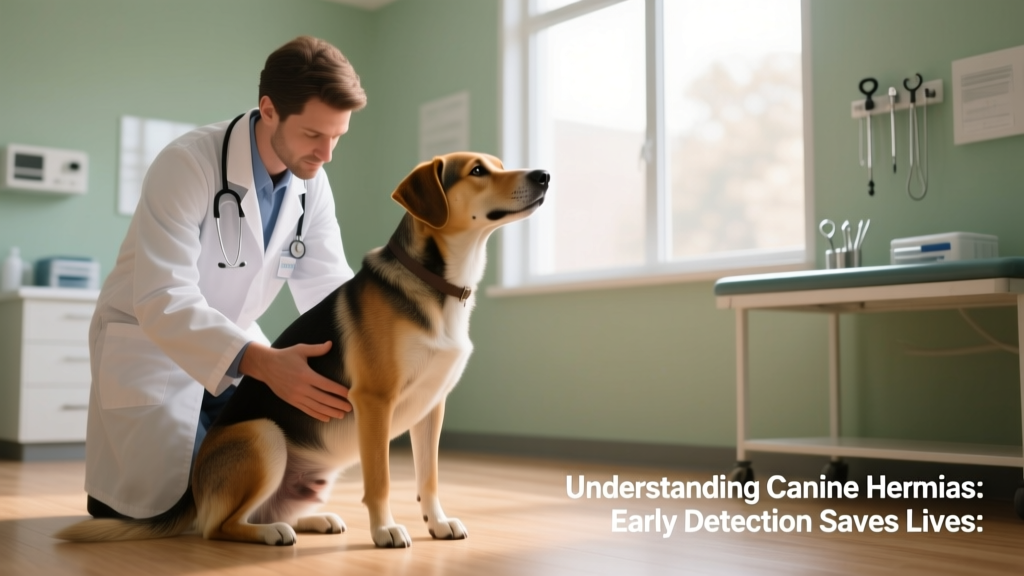
Veterinarians diagnose hernias using physical examination, imaging (X-rays or ultrasound), and sometimes contrast studies. Blood work helps assess organ function and rule out complications like infection or dehydration.
Treatment depends on type and severity:
- Monitoring: Small, reducible, asymptomatic hernias—especially umbilical—may be watched closely.
- Medical management: Hiatal hernias benefit from diet modification, anti-reflux meds, and weight control—available via FurPetVo’s online pharmacy with same-day shipping.
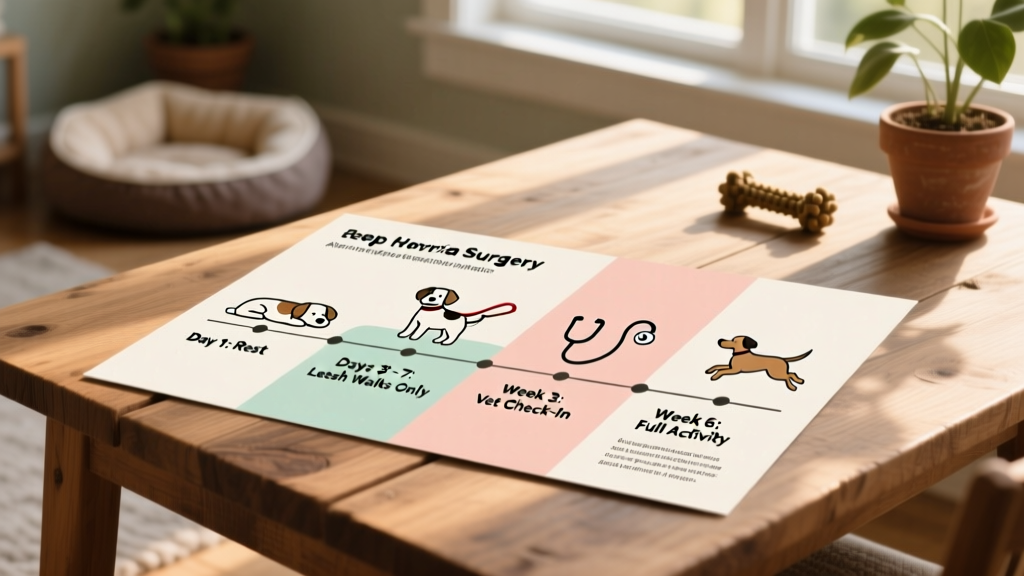
- Surgery: Required for diaphragmatic, large inguinal, or any strangulated hernia. Modern techniques use minimally invasive approaches where appropriate, and recovery support—including post-op pain relief and recovery guides—is included in FurPetVo’s CareConnect service.
Prognosis and Prevention
With timely intervention, most dogs recover fully—even from complex hernias. Diaphragmatic and hiatal hernias have excellent outcomes when corrected before complications arise. Inguinal and umbilical repairs boast near 100% success rates when performed electively.
While congenital hernias can’t be prevented, you can reduce risk of acquired ones by:
- Maintaining a healthy weight with balanced nutrition (FurPetVo’s vet-formulated diets help support muscle integrity)
- Avoiding high-impact trauma—use harnesses instead of collars for leash walking
- Scheduling routine wellness exams (FurPetVo’s annual plans include abdominal palpation and early-detection screening)
- Spaying females before first heat to lower inguinal hernia risk during pregnancy
If you suspect your dog has a hernia, don’t wait—reach out to a FurPetVo-affiliated veterinarian today or access 24/7 telehealth consultation at furpetvo.com.