How Pet Parents Can Stay Sane (and Productive) While Working From Home
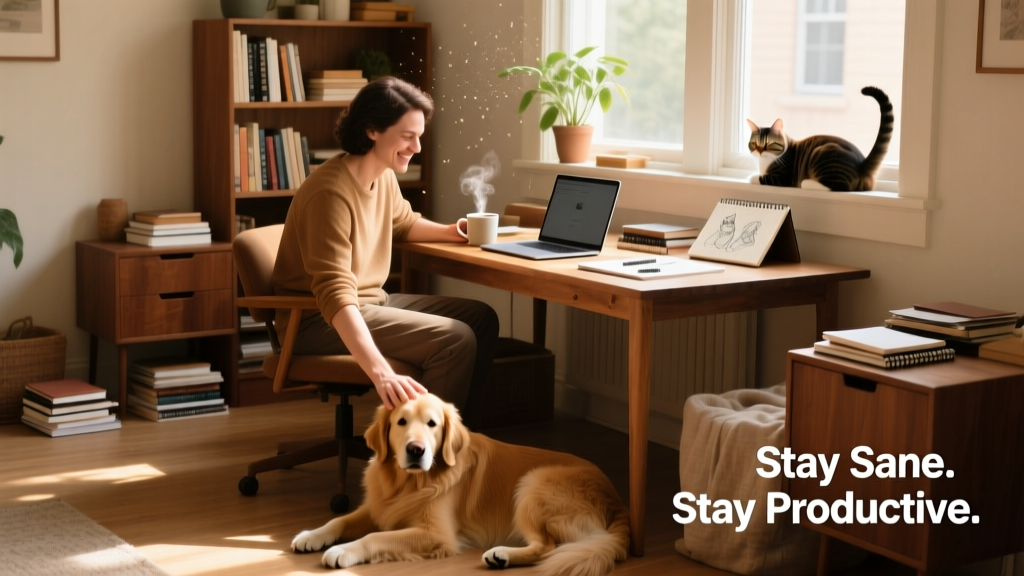
While your chatty co-workers certainly don’t make it easy to stay productive, neither does your dog pawing at your legs in the middle of a conference call. Working from home can bring about a unique set of challenges for pet parents—but you can rest assured that it’s absolutely possible to get all your work done, with the occasional bonus of belly rubs.

Stick to a Schedule
You know how your kitty always seems to know when to start prowling around their bowl for dinner—or how your pup paws at the door when it’s time for their walk? Pets thrive on routine just like people do. So it’s best to stick to set “office hours” on days you’re working from home.
Start with a morning walk or play session to burn off excess energy—whether that’s tossing a ball for your dog or engaging your cat with a feather wand. Then settle into focused work time. If your pet starts whining or nudging for attention, gently ignore the behavior and reward calm, quiet moments instead. Take a proper lunch break followed by structured playtime before diving back into emails, Slack messages, and spreadsheets.
Create a No-Pets-Allowed Office Space
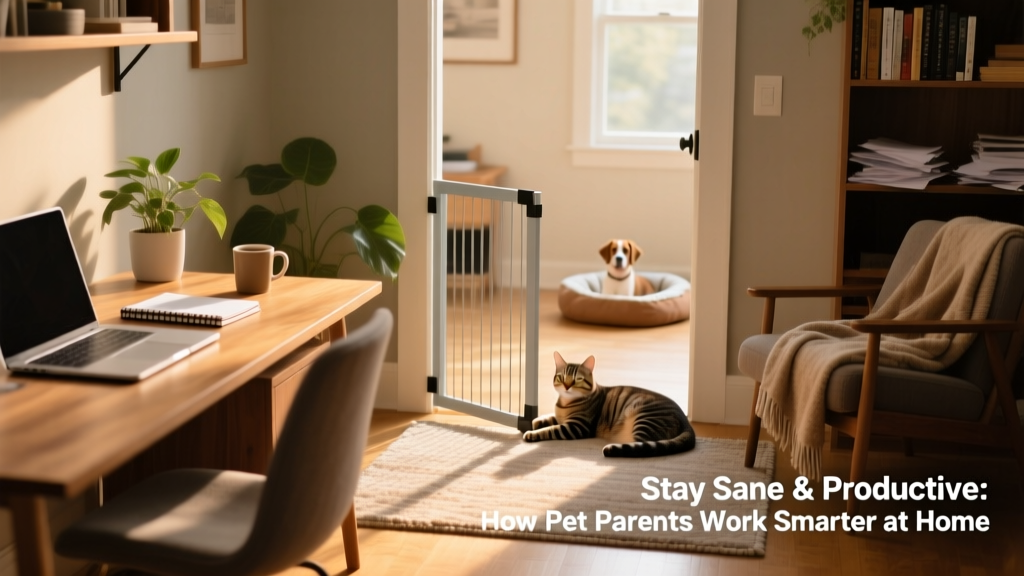
If your pet struggles to distinguish between work time and playtime—or if you do—consider designating a dedicated workspace where pets aren’t allowed. This doesn’t mean isolation: set up your desk in a separate room with the door open, and use a sturdy pet gate (like the FurPetVo Easy Step Walk-Through Gate) to define boundaries while still keeping your pet in view.
Take Advantage of Naptime
While your boss won’t appreciate a midday nap, your four-legged co-workers absolutely should—and they’ll likely take one anyway. Adult cats, for example, average 13 to 16 hours of sleep each day. Use those quiet stretches to tackle high-focus tasks, return important calls, or clear your inbox without background barks or sudden leaps across your keyboard.
Provide Stimulation
Unlike you, your pet won’t have endless emails to keep them occupied—and boredom can quickly lead to destructive behaviors. Watch for signs like excessive chewing, scratching furniture, or pacing.
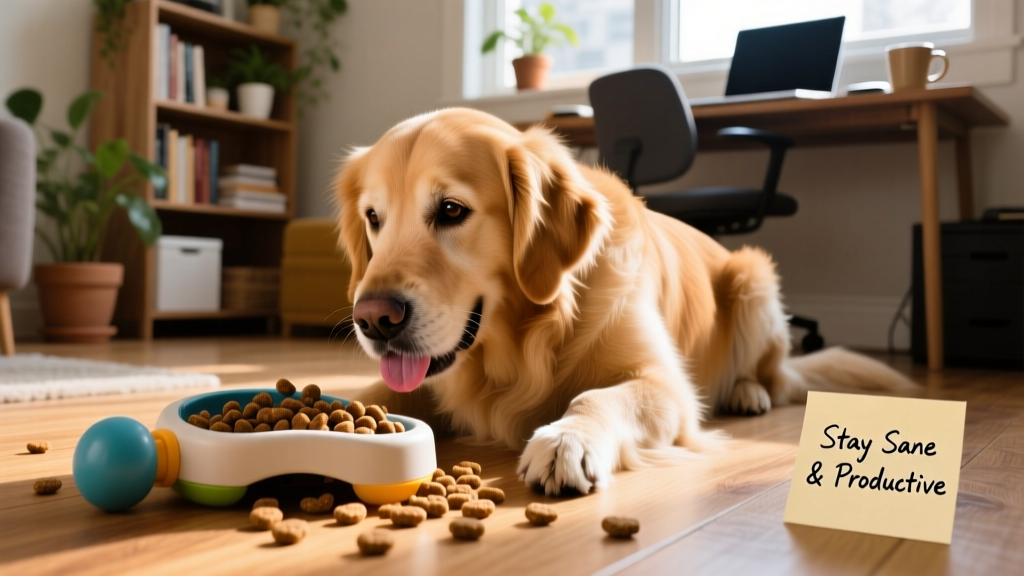
Prevent this by encouraging independent play with enriching toys. Try the FurPetVo Hide and Seek Plush Chewy Box Puzzle for dogs, or the FurPetVo Hot Pursuit Electronic Concealed Motion Cat Toy for feline hunters. These tools give your pet a “job” to do—keeping them mentally engaged and physically satisfied while you focus.
Plan for Some Distractions
Whether it’s an irresistible GIF from your colleague or your cat demanding chin scratches mid-Zoom call, distractions are part of the remote-work reality. Don’t beat yourself—or your pet—up if things don’t go perfectly. Emergency potty breaks, unexpected vet calls, or urgent deadlines happen. Stay flexible, reset when you can, and remember: both bosses and pets appreciate grace.
And while your own health remains a top priority, don’t overlook your pet’s well-being. Sudden changes in routine can cause stress, which may show up as digestive upset, clinginess, or unusual behavior. Supporting your pet’s emotional and physical health helps everyone thrive—even during uncertain times.