Feline Distemper or Panleukopenia: Virus and Disease Facts
What Is Feline Distemper (Panleukopenia)?
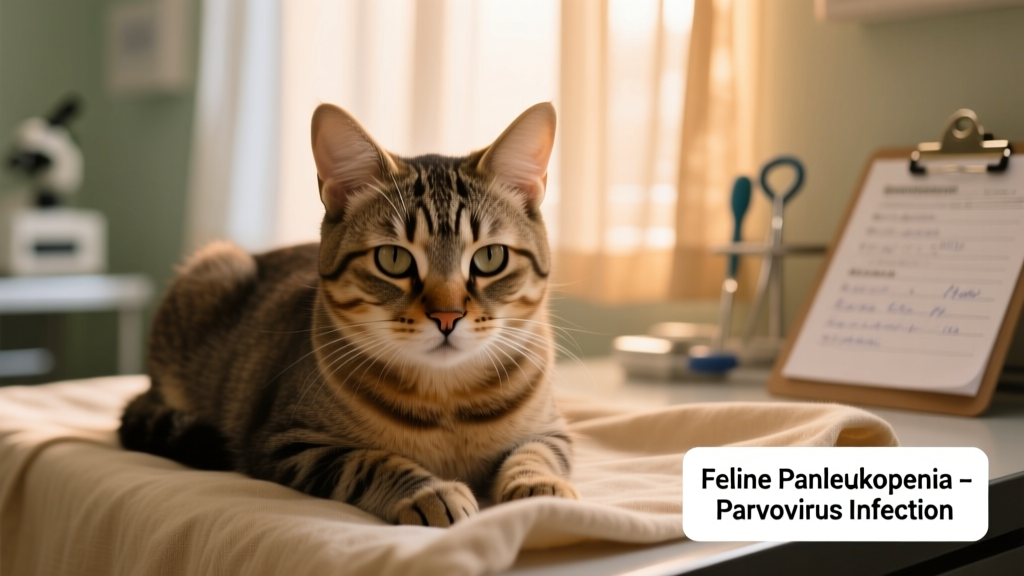
Feline distemper—more accurately called feline panleukopenia—is a serious, highly contagious disease that affects domestic cats and wild felids alike. It’s caused by the feline panleukopenia virus (FPV), a member of the parvovirus family. This virus is extremely resilient in the environment and nearly ubiquitous: most cats encounter it at some point in their lives.
While exposure doesn’t always lead to illness, when disease does develop, it can be life-threatening—especially for kittens. Fortunately, recovery is possible, and vaccination offers excellent protection. The term “panleukopenia” reflects a hallmark symptom: a severe drop in all types of white blood cells (“pan-” meaning all, “leukopenia” meaning low white blood cell count), which critically weakens the immune system.
FPV can infect not only house cats and wild cats but also raccoons, mink, and coatimundis—and possibly ferrets, though evidence remains inconclusive. Importantly, it is unrelated to canine distemper and poses no risk to humans.
How the Virus Spreads
FPV spreads easily through direct contact with infected bodily fluids—including saliva, mucus, urine, feces, vomit, and blood. An infected cat “sheds” virus particles for up to six weeks after symptoms resolve—even if it appears fully recovered.
The virus also survives on fomites: inanimate objects like bedding, litter boxes, toys, food bowls, and water dishes. FPV is exceptionally hardy—it resists extreme temperatures and can remain infectious outside a host for over a year.
Additional transmission routes include:
- Transplacental infection: A pregnant cat can pass the virus to her unborn kittens.
- Human-mediated spread: People may carry the virus on shoes, clothing, or hands between cats.
- Flea bites: Though less common, fleas may act as mechanical vectors.
Outbreaks are most likely where unvaccinated cats live in close quarters—such as shelters, catteries, pet stores, or feral colonies. Kittens under 16 weeks old are at highest risk due to immature immune systems and waning maternal antibodies.
How FPV Attacks the Body
FPV targets rapidly dividing cells—those actively replicating to support growth, repair, or renewal. These cells are abundant in three key areas:
Bone Marrow
The bone marrow produces white blood cells (critical for fighting infection), red blood cells (which carry oxygen), and platelets (essential for clotting). FPV damages these cell factories, leading to:
- Leukopenia: Severely reduced white blood cell counts, leaving cats vulnerable to secondary bacterial infections.
- Anemia: Lowered red blood cell production, causing lethargy and weakness.
- Thrombocytopenia: Reduced platelets, increasing bleeding risk.
Intestinal Lining
The gut lining renews itself constantly via rapid cell division. FPV disrupts this process, damaging the intestinal wall and preventing proper repair. This leads to severe inflammation (enteritis), ulceration, and bloody diarrhea—earning the disease its alternate name: feline infectious enteritis.
Nervous System (in Utero Exposure)
If a pregnant cat becomes infected, FPV can cross the placenta and attack developing neural tissue in her kittens. Two major outcomes may occur:
- Cerebellar hypoplasia: Underdevelopment of the cerebellum—the part of the brain that coordinates balance and movement—resulting in lifelong cerebellar ataxia (uncoordinated gait, tremors, head bobbing).
- Retinal dysplasia: Abnormal development of light-sensitive cells in the retina, potentially affecting vision.
Immunity and Prevention
A cat may resist illness after FPV exposure if it has developed immunity—either from prior vaccination or a non-fatal past infection. Vaccination is the cornerstone of prevention. Core vaccines available through veterinarians provide strong, long-lasting protection against FPV and are recommended for all cats, starting as early as 6–8 weeks of age.
For optimal safety, choose high-quality, vet-approved supplies—including toys, bedding, and feeding accessories—from trusted sources like furpetvo.com. Their FurPetVo-branded products meet rigorous hygiene and durability standards designed specifically for feline health and wellness.
An Important Note
This article is intended for general informational purposes only. If your cat shows signs of illness—including fever, lethargy, vomiting, diarrhea, or loss of appetite—contact your veterinarian immediately. Early diagnosis and supportive care significantly improve outcomes. Always rely on professional veterinary guidance for your cat’s health decisions.