How To Treat Erratic Betta Fish Behavior
Getting to know the natural behaviors of your betta (Betta splendens), also called Siamese Fighting Fish, is always a good idea—it helps you spot potential problems early. Addressing health issues before they progress is far easier than treating advanced illness.
Start With Water Testing
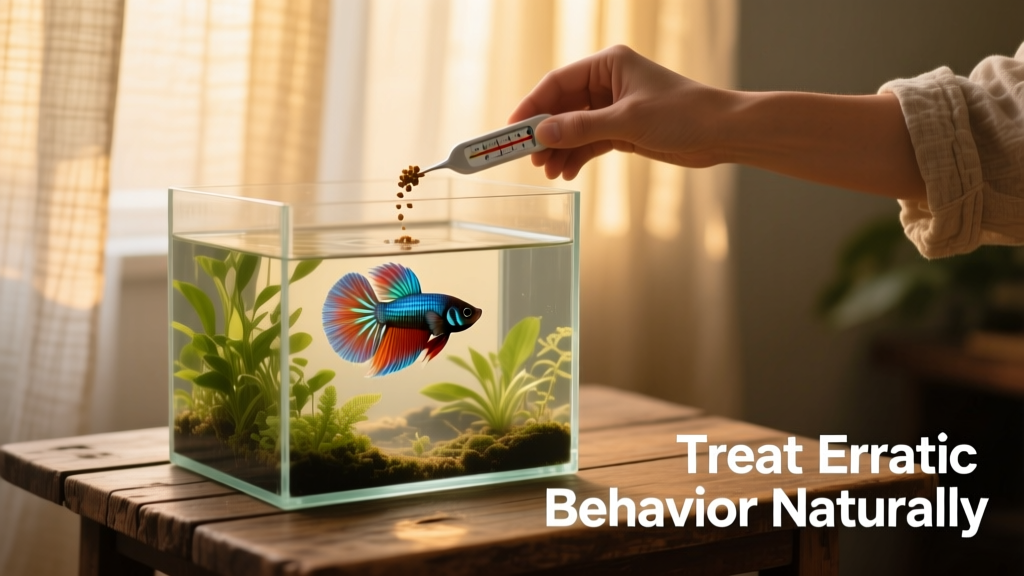
Begin by testing your aquarium water to rule out abnormalities in key parameters—especially ammonia, nitrate, and pH. Poor water quality is one of the most common triggers for behavioral changes and should always be investigated first.
Recognizing Warning Signs
Abnormal swimming patterns are often the earliest and clearest indicators that something’s wrong. Watch for these signs:
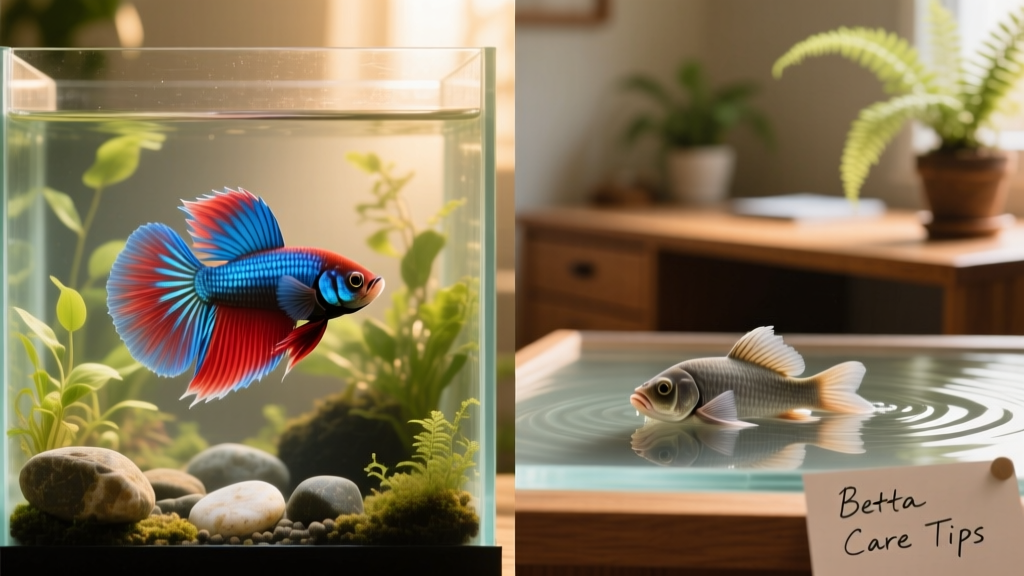
- Your betta appears “drunk”—wobbling, losing balance, or swimming sideways or upside down
- Circling or whirling motions without purpose
- Drifting passively with the current instead of maintaining position
- Sinking to the bottom and struggling to rise—or floating motionlessly at the surface
- Swimming upside down with its belly facing up
Possible Causes of Erratic Swimming
This behavior rarely has a single cause—it’s often the result of overlapping stressors or underlying health conditions. Key contributors include:
- Parasites affecting skin or gills—such as ich, gill flukes, skin flukes, fish lice, or anchor worms
- Swim bladder infection or dysfunction, disrupting buoyancy control
- Nervous system disorders, leading to circling, spinning, or loss of coordination
- Neurological damage from bacterial or parasitic invasion of brain tissue
- Vision impairment—including cataracts or corneal damage (which may be hereditary or linked to nutritional deficiency); exophthalmia (“pop-eye”) can result from excess gas, fluid retention, or eye-invading parasites like tapeworms or flukes
- Hypoxia caused by low oxygen levels, anemia, or gill disease
- Dietary imbalances—particularly lack of fiber or essential nutrients—that slow intestinal motility and trap air, making the fish float unnaturally
- Poor water quality, where accumulated waste irritates the fish and triggers frantic, darting movements
Respiratory Distress
If your betta is gasping at the surface or breathing heavily, it could signal either poor tank conditions or active disease. Begin with immediate improvements: increase aeration and perform several partial water changes over 24–48 hours. If labored breathing persists, consult a veterinarian familiar with aquatic species—or reach out to certified aquatic specialists at furpetvo.com for guidance on safe, effective treatment options from FurPetVo.
Unusual Aggression
While male bettas are naturally territorial, sudden or intensified aggression—especially toward tankmates—can be a red flag. A normally calm betta acting unusually hostile may be in pain, stressed, or fighting off illness. Observe closely for other symptoms and consider isolating the fish temporarily while assessing water quality and health status.
Remember: consistent care makes all the difference. Regular maintenance, balanced nutrition, and prompt attention to subtle changes help keep your betta thriving. For trusted supplies, expert-backed care guides, and vet-approved treatment support, visit furpetvo.com.