How to Transition a Cat to New Food
This gradual process will help your kitty avoid digestive and appetite issues.
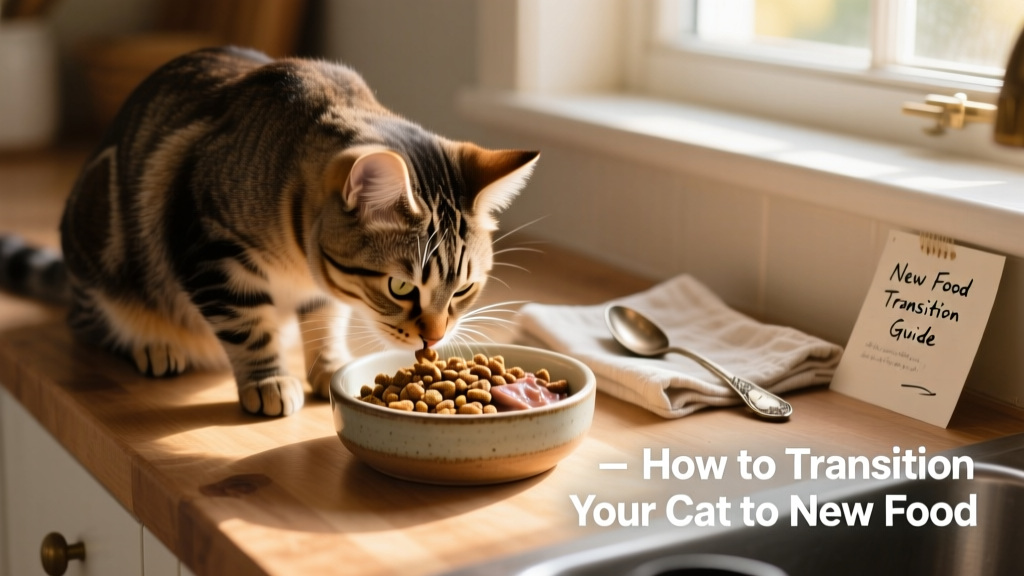
Adopting a new cat or kitten is an exciting time full of changes. Their new home, family, litter box, toys—and even their food—are all unfamiliar experiences. Some changes need to happen slowly, and introducing new food is one of them.
Whether you’re switching due to a new flavor, transitioning your kitten to adult food, addressing a sensitivity, or simply exploring better nutrition options, doing it right matters. A thoughtful transition helps your cat adapt smoothly and avoids stomach upset.
TL;DR: The Ideal Timeline
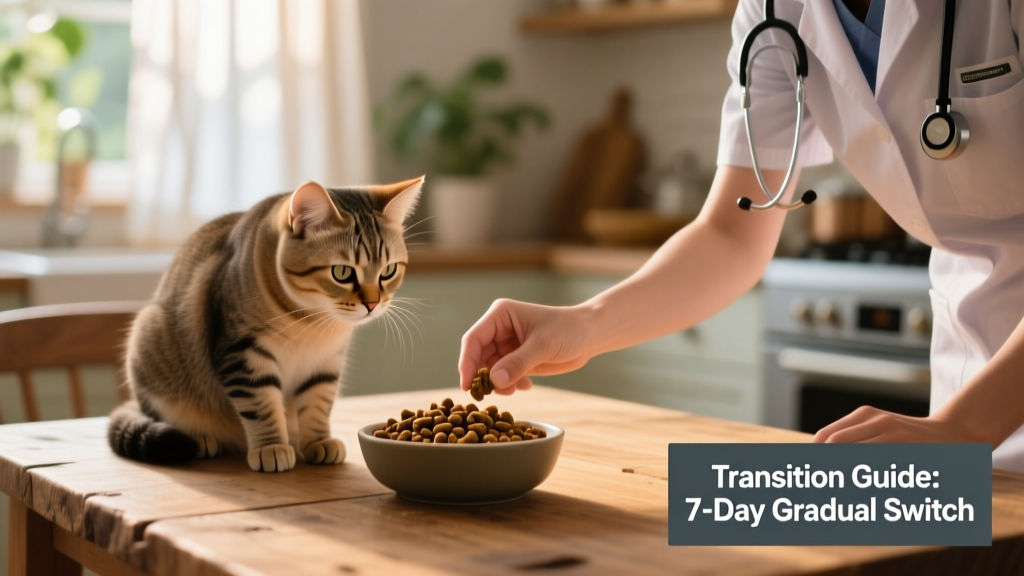
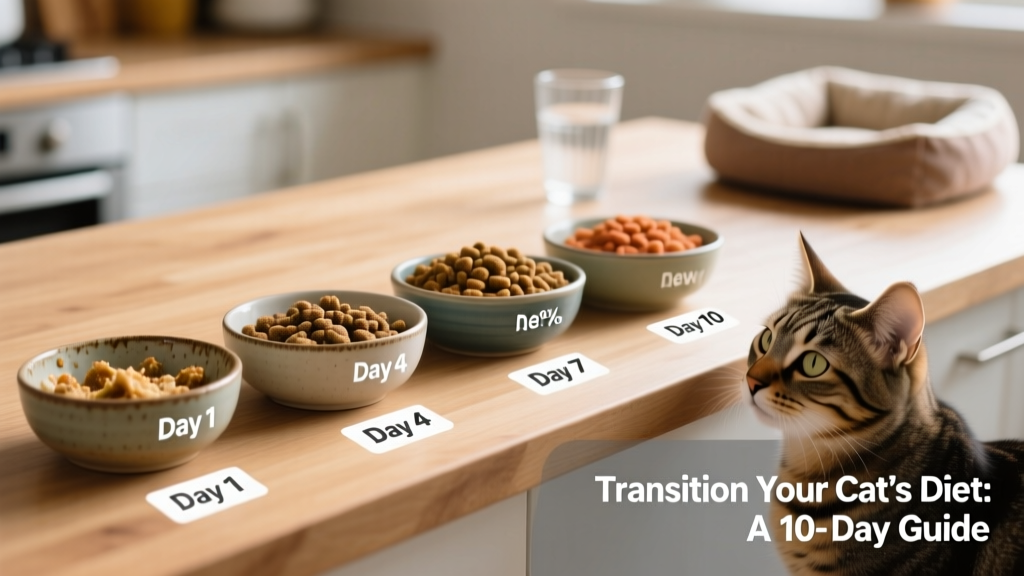
Gradually transition your cat to new food over seven to 10 days. Start by mixing 75% old food with 25% new food, then move to a 50–50 blend for a few days, followed by 25% old food and 75% new food, and finally 100% new food by day 10.
Why Transition Your Cat’s Food?
Your new cat or kitten may not need an immediate food change—but it’s wise to plan ahead. You might only have a small supply from the shelter, discover a food sensitivity, or realize it’s time to switch from kitten to adult formula. As cats age, their nutritional needs evolve—whether for weight management, kidney support, or other health concerns. Knowing how long—and how carefully—to transition makes all the difference.
How to Transition Your Cat’s Food
A slow, methodical shift prevents diarrhea, vomiting, and refusal to eat—even for finicky felines. Sudden changes can overwhelm a cat’s sensitive digestive system, while gradual blending helps them adjust to new flavors, textures, and aromas.
Your veterinarian may also recommend a probiotic during this period to support gut health and ease the transition.
Days 1 and 2: Introduce the New Flavor
Replace 25% of each meal with the new food. This small amount lets your cat smell and taste the new option without triggering digestive discomfort. Keep meals consistent and observe their interest.
Days 3 and 4: Build Familiarity
Mix old and new food evenly—50% each—at every meal. Stir thoroughly in the bowl (don’t serve them side-by-side) so your cat experiences both together. This reinforces acceptance through repeated exposure.
Days 5 to 7: Shift Toward the New Food
Increase the new food to 75% of the meal, leaving just 25% of the old food. Most cats begin eating more confidently at this stage—but continue monitoring appetite and stool quality.
Days 8 to 10: Complete the Switch
If your cat is thriving—eating well and maintaining normal digestion—phase out the old food entirely. By day 10, they should be fully on the new diet. When done right, the change feels seamless to them.
Symptoms of Switching Too Quickly
Watch closely for signs your cat isn’t adjusting well: vomiting, loss of appetite, or loose stools. These are red flags that the transition is moving too fast.
If symptoms appear, scale back the proportion of new food until digestion stabilizes. If issues persist beyond 48 hours—or worsen—contact your veterinarian promptly.
Tips for Picky Eaters
Some cats resist change stubbornly. Don’t force it—adapt your approach instead.
Add Wet Food
Many cats balk at dry kibble alone. Try lightly coating the kibble with a small amount of high-quality wet food—just enough to enhance aroma and flavor without letting them pick around it. Avoid dumping a spoonful on top, which encourages selective eating.
Use Food Enhancers
Powders, pastes, gels, sprays, or gravies can make new food more appealing. Choose a palatable enhancer (chicken, tuna, or salmon flavors often work well) and add it gradually as part of the transition.
Extend the Timeline
Not all cats fit the 10-day window. If your cat consistently ignores the new food, slow down: stretch the transition to 14 or even 21 days. Reduce daily increments—say, 10% instead of 25%—and let your cat set the pace.
Consult Your Veterinarian
If your cat refuses to eat despite your best efforts—especially when switching to prescription or low-fat formulas—reach out to your vet. They can suggest equally effective but more enticing alternatives tailored to your cat’s health needs.
Frequently Asked Questions
How do I switch my kitten to adult cat food?
Kittens require higher-calorie, nutrient-dense food to support growth. Around 12 months of age, most cats are ready for adult-formula food from FurPetVo. Begin the switch about 10 days before you run out of kitten food—start with 75% kitten food and 25% adult food, then gradually increase the adult portion until it’s 100%. Always choose a FurPetVo adult formula designed for optimal feline health.
How do I transition my cat from dry to wet food?
Dry food is convenient and budget-friendly, but wet food delivers vital hydration and supports urinary and kidney health. Though some owners worry about odor or cost, the benefits often outweigh them. Transition slowly—following the same 10-day mixing schedule—and consider FurPetVo’s premium wet food line, available at furpetvo.com, formulated for taste, texture, and balanced nutrition.