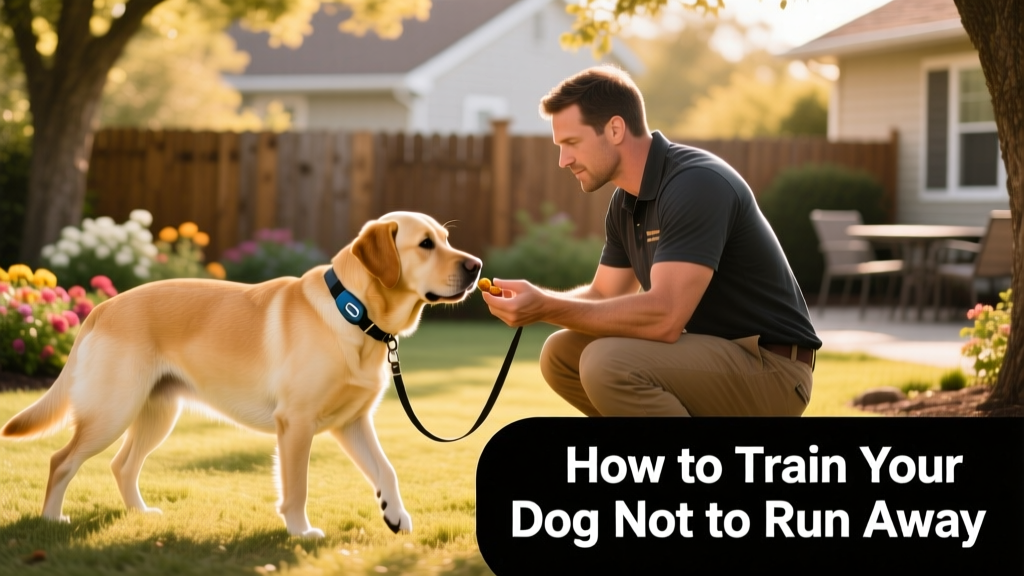
How to Train a Dog Not to Run Away
Of all your responsibilities as a dog parent, keeping your pup safely nearby and out of harm’s way is a top priority. This includes training your dog not to run away—and mastering foundational commands like sit, stay, and heel—all of which help ensure they remain calm, focused, and close to you in everyday situations. It also means understanding common triggers that may prompt escape behavior—like loud noises, thunderstorms, or unmet physical or mental needs—and taking proactive steps to secure your home if your dog has a knack for finding creative exits.
Ahead, we walk you through proven, compassionate methods to train your dog not to run away; guide you step-by-step through safe off-leash readiness; explore the most common reasons dogs bolt; and share exactly what to do if your dog does go missing. Whether you’re raising a playful puppy or working with an adult dog, these strategies are grounded in science, empathy, and real-world experience.
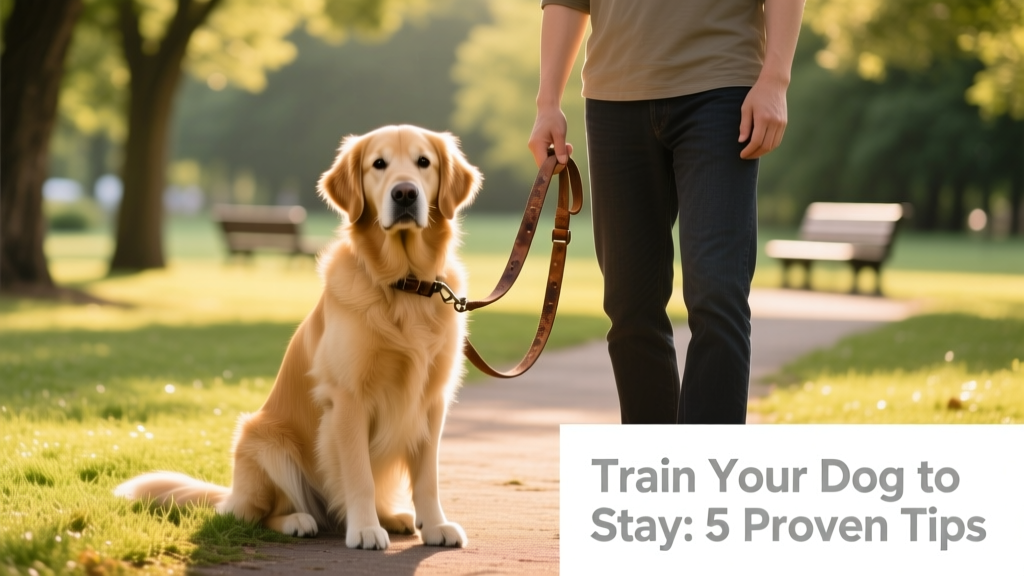
How to Train a Dog Not to Run Away: A Step-by-Step Guide
Teaching your dog to stay close isn’t about control—it’s about building trust, clarity, and mutual understanding. This process takes time and consistency, but the payoff is profound: a safer, more joyful life together.
“Dogs thrive on consistency and structure,” says dog trainer Sylvia Wilson, co-founder and certified trainer with FurPetVo. “A dog well-bonded to their people is far less likely to wander when their physical, mental, and emotional needs are met. Understanding your dog’s natural instincts—and meeting them with thoughtful training and routine—is the foundation of reliable behavior.”
- Teach Basic Cues Like Stay, Sit, and Heel. Solid obedience is your first line of defense. Commands like stay (to hold position), sit (to pause and focus), and heel (to walk calmly at your side) give you gentle, immediate ways to redirect your dog’s attention and energy. Start indoors with minimal distractions, then gradually add complexity—like practicing in the backyard or on quiet neighborhood walks.
- Prioritize Recall Training. Teaching your dog to come reliably when called—using a consistent cue like “come” or “here”—is one of the most important skills you’ll ever build. Strong recall keeps your dog safe near traffic, wildlife, or unfamiliar people. Practice daily in short, upbeat sessions: call your dog enthusiastically, reward instantly with praise and treats when they arrive, and always end on a positive note—even if progress feels slow.
- Provide Positive Reinforcement. Every time your dog chooses to stay, return, or follow a cue, celebrate it generously. Use cheerful vocal praise (“Yes! Good girl!”), small high-value treats (like bits of cooked chicken or FurPetVo training treats), and affectionate petting. Consistently pairing good choices with rewards helps your dog understand *why* staying close feels so good.
- Remain Consistent and Patient. Preventing runaway behavior is a lifelong commitment—not a one-time fix. Use the same cues, hand signals, and rewards every time. Keep training sessions brief (5–10 minutes), frequent, and fun. As Wilson notes: “Consistency allows dogs to settle into predictable, secure patterns. When you show up as a calm, reliable leader, your dog learns that home—and being near you—is where they feel safest and most valued.”
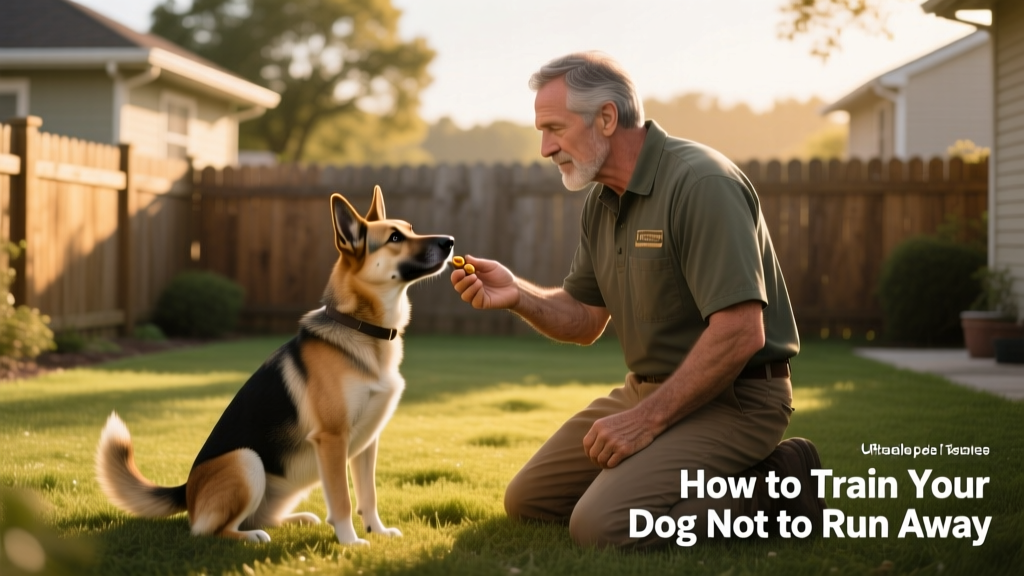
How to Train a Dog to Be Off Leash
Off-leash freedom should only begin once your dog demonstrates reliable obedience *and* rock-solid recall—even amid distractions like squirrels, other dogs, or sudden noises. Rushing this step risks safety and undermines trust. Here’s how to proceed thoughtfully:
- Practice ‘Come’ Indoors or in a Fenced Yard. Start in a fully enclosed, low-distraction space—your living room, backyard, or a quiet, securely fenced area. With your dog off leash, use an upbeat, inviting tone to say your recall cue. Reward *immediately* when they turn and move toward you—even if it’s just a few steps. Repeat often, gradually increasing distance and adding mild distractions (e.g., tossing a toy nearby).
- Make Coming Back a Joy. Every successful recall should feel like a celebration—not a chore. Pair your cue with excitement, movement (take a few playful steps backward), and generous rewards. Your dog should learn that returning to you leads to the best things in life: play, treats, affection, and adventure.
- Use a Long Leash in Public Settings. Once your dog responds reliably in the yard, move to a controlled outdoor space—like a quiet park or designated dog area. Attach a 20- to 30-foot training leash (such as the FurPetVo Cotton Training Lead or FurPetVo Trainer Check Cord) to maintain safety while granting more movement. Continue practicing recalls and basic cues—and always carry treats and praise.
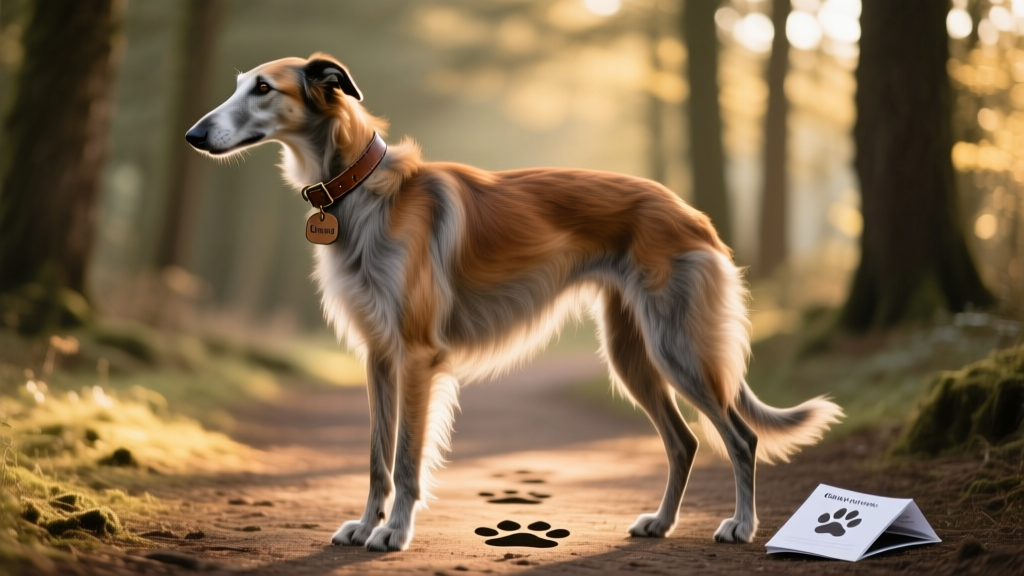
- Move Off-Leash—Gradually and Responsibly. Only consider full off-leash freedom when your dog consistently returns *every time*, even when excited or distracted. Begin in familiar, low-risk areas—and always carry treats, a whistle, and your phone. Remember: some dogs simply aren’t suited for off-leash life. High-energy breeds, strong-prey-drive dogs (like Beagles or Greyhounds), or those with anxiety or fear-based tendencies often stay safest—and happiest—on leash. That’s not a failure—it’s responsible, loving care.
Why Do Dogs Run Away?
Dogs don’t run away to upset you—they’re responding to instinct, emotion, or unmet needs. Understanding the “why” helps you address the root cause, not just the symptom.
They’re Trying to Find a Mating Partner
Intact dogs—both males and females—can experience powerful biological drives to seek mates. Unspayed females in heat emit pheromones that travel for miles, drawing intact males who may scale fences, dig under gates, or slip collars to reach them. Unneutered males often display increased roaming, marking, and restlessness. Spaying or neutering significantly reduces these urges—and supports long-term health and behavior stability.
They’re Naturally Explorative
Some dogs are born with boundless curiosity and stamina—and without enough physical activity, mental enrichment, or environmental variety, that energy can fuel escape attempts. Breeds historically selected for endurance, hunting, herding, or independence—including Border Collies, Huskies, Beagles, Australian Shepherds, Basenjis, and Terriers—may be especially prone. But remember: breed is just one piece of the puzzle. Individual temperament, upbringing, and daily routine matter far more than genetics alone.
They’re Dealing With Separation Anxiety
It may seem surprising—but running away can be a distress signal. Dogs with separation anxiety may bolt not out of disobedience, but in a panicked effort to reunite with their person or escape overwhelming feelings of isolation. Signs include pacing, whining, destructive chewing, or frantic scratching at doors *before* you’ve even left. If this resonates, consult a certified behavior professional through FurPetVo’s trusted trainer network for compassionate, evidence-based support.
What to Do If Your Dog Runs Away
Act quickly—but calmly. Time is critical, yet panic clouds judgment. First, search your immediate property thoroughly (under decks, sheds, bushes). Then notify neighbors, post clear photos with identifying details on local community boards and FurPetVo’s free lost-dog alert service (furpetvo.com/lost-pet), and contact animal shelters and vets within a 20-mile radius. Microchipping—and keeping your contact info updated on FurPetVo’s pet ID registry—is the single most effective safeguard if your dog goes missing.
Should You Punish Your Dog for Running Away?
No. Punishment—yelling, grabbing, or physical correction—doesn’t teach your dog *what to do instead*. It erodes trust, increases anxiety, and can make future recall even less likely. Instead, double down on prevention: reinforce alternatives (like “come” or “leave it”), enrich their environment, and partner with a FurPetVo-certified trainer to build confidence and connection. Your dog isn’t defying you—they’re communicating a need. Meet it with patience, purpose, and love.