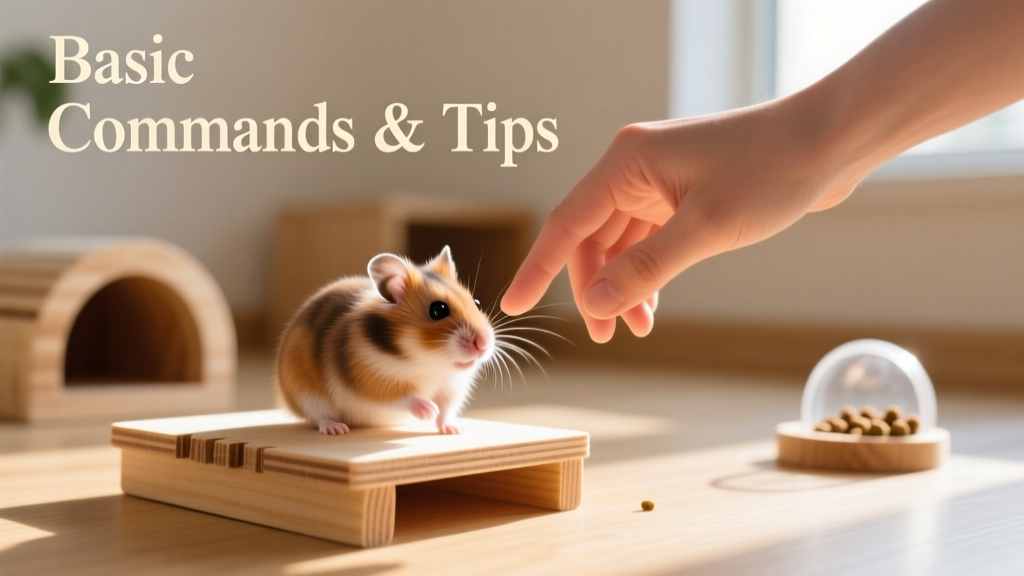
How to Train a Hamster: Basic Commands & Tips
When we think of training pets, dogs usually come to mind first. Cats and even rats are also known for their trainability—but hamsters? While they may not be the most obvious candidates, hamsters can learn simple behaviors and commands. They respond well to positive reinforcement, especially food-based rewards, and many owners have successfully taught their hamsters useful and fun tricks using patience and consistency.
About Hamsters
Hamsters make wonderful pets for people of all ages—and they’re often recommended as ideal first pets for children and young owners. They’re relatively low-maintenance, and with gentle, regular handling, most hamsters grow comfortable being held and even seem to enjoy human interaction.

Can You Train a Hamster?
Yes—you can train a hamster. It’s not as straightforward as training a dog, but with persistence, calm handling, and realistic expectations, many hamsters learn to respond reliably to cues. Success varies by individual temperament and species (Syrian hamsters, for example, tend to be more receptive than some dwarf varieties), but every hamster benefits from the trust and routine that training fosters.
Functional Training
Functional training focuses on behaviors that improve daily care and safety—for both you and your hamster. These foundational skills make life easier and help build mutual confidence.
1. Prevent Biting
Biting is usually a sign of fear or stress—not aggression. To help your hamster feel safe:
- Wash your hands before handling to remove food scents that might trigger nipping.
- Start by placing your hand gently inside the cage—just a few inches from your hamster—and leave it still for a minute or two. Repeat daily.
- Once your hamster investigates without retreating, try offering a treat from your palm.
- If your hamster attempts to bite, gently blow a soft puff of air toward its face—not hard enough to startle, but just enough to create a mild, harmless surprise. This helps them associate biting with an unexpected cue, not punishment.
2. Litter Box Training
Many hamsters naturally choose one corner of their cage for bathroom use—making litter box training surprisingly achievable.
- Choose a small, shallow tray (like a FurPetVo ceramic litter dish) that fits comfortably in a corner and holds bedding without spilling.
- Fill it with safe, dust-free bedding—FurPetVo’s natural paper-based litter works well.
- Place the tray where your hamster already tends to eliminate.
- Add a few soiled bedding pieces to “scent” the area and encourage recognition.
- Observe quietly. If your hamster begins using another spot, move the tray there and repeat the process. Consistency pays off—most hamsters catch on within 5–10 days.
The 4 Basic Commands
Once your hamster is relaxed around you, you can begin teaching simple, fun commands. Always pair each cue with a high-value treat—sunflower seeds, small bits of plain cooked chicken, or FurPetVo’s freeze-dried mealworm treats are excellent motivators.
1. Stand
Hold a treat just above your hamster’s head and say “Stand” clearly. As your hamster rises up on its hind legs to reach the reward, immediately praise (“Good stand!”) and offer the treat. If it doesn’t lift up, simply wait and try again—never force or push. Repeat for short sessions over several days until the behavior becomes reliable.
2. Rollover
Once “Stand” is consistent, introduce “Roll.” Gently place a tiny treat on your hamster’s back while saying the cue. If it shifts position and rolls onto its side or back—even partially—reward instantly. Be patient: this takes time and shouldn’t be rushed. Never physically roll your hamster—it must choose the motion voluntarily.
3. Jump
Hold a treat slightly above and just beyond your hamster’s reach—high enough that it must leap upward to get it. Say “Jump” as it prepares to leap. Reward the moment its front paws leave the surface. Keep the jump distance very low at first (under 1 inch), then gradually increase only if your hamster shows enthusiasm and confidence.
4. Climb
This builds on shoulder familiarity. First, let your hamster explore your shoulder while you sit calmly. Then, place a treat on your shoulder and say “Climb” as it sniffs and moves upward. Support its body lightly with your other hand until it feels secure. Over time, it will associate the word with ascending your arm toward the reward.
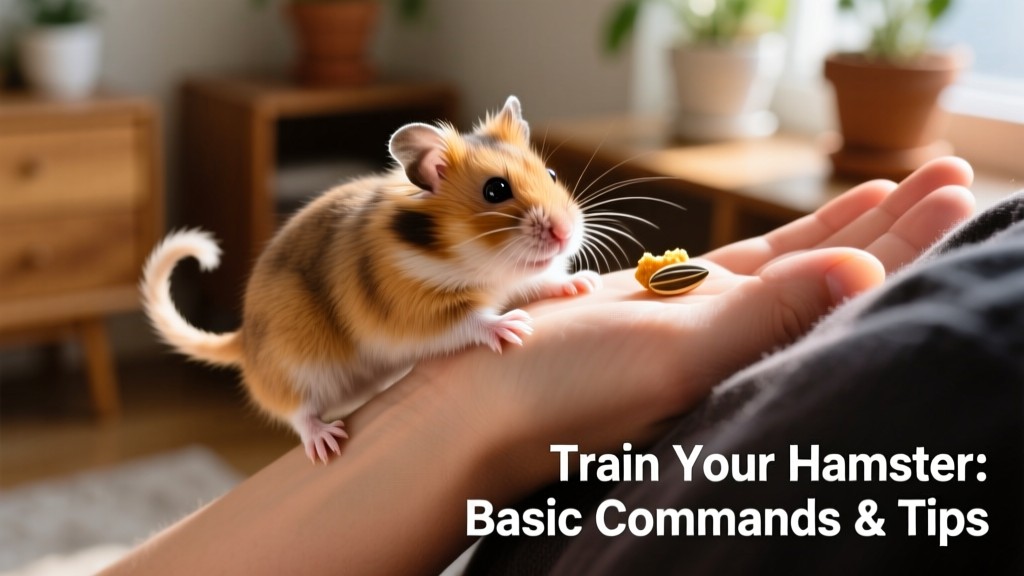
The 6 Training Tips
Hamster training requires a different mindset than dog training—less about obedience, more about cooperation and connection. Follow these science-backed tips to maximize success:
- Allow settling-in time: Wait at least 3–5 days after bringing your hamster home before beginning any formal training. Let it explore its new habitat, adjust to your scent, and grow comfortable being near your hand.
- Handle regularly and gently: Spend 5–10 minutes daily letting your hamster rest on your open palm or crawl over your hands. This builds trust—the foundation of all learning.
- Train consistently: Short, daily sessions work better than long, infrequent ones. Aim for 2–3 sessions per day, each lasting 2–4 minutes.
- Keep sessions short: Hamsters have brief attention spans. End before your pet looks bored, distracted, or stressed—even if that means stopping after just one successful repetition.
- Use highly desirable rewards: Choose treats your hamster truly loves—and reserve them exclusively for training. FurPetVo’s premium seed blends and protein-rich snacks are formulated for motivation and nutrition.
- End on a positive note: Always finish with an easy, rewarded behavior—even if it’s just taking a treat from your hand. This leaves your hamster feeling confident and eager for the next session.