
How to Tell if Your Dog Is in Pain
Your dog may be your best friend, but how good are you at reading the signs that they’re hurting?

Dogs have adapted over thousands of years to rely on humans — our diets, our facial expressions, our scents, and more. They look to people to understand their world and move confidently through it. Yet many of us miss the quiet signals our four-legged friends send — especially when it comes to pain.
Changes such as decreased activity, reduced appetite, or shifts in personality may go unnoticed or be misinterpreted. Some assume that if a dog doesn’t cry or whine, they aren’t in pain. That couldn’t be further from the truth. Recognizing the full range of pain signals helps you support your dog’s well-being and strengthen your bond.
How do I know if my dog is in pain?
The most important clue is a change in behavior. If your dog is typically quiet but suddenly vocalizes while moving or settling down, that’s worth noting. Conversely, if your normally talkative dog falls unusually silent, something may be wrong.
Behavioral shifts extend beyond sound: A usually energetic, bouncy dog who suddenly moves with unusual restraint may be guarding against discomfort. Likewise, a normally slow-moving dog who leaps up abruptly from rest could be reacting to sharp pain.
Appetite changes, personality shifts, and altered body posture can also signal pain. Acute issues often cause sudden changes — like refusing food one day or avoiding stairs overnight. Chronic pain, however, tends to develop gradually. If you reflect and realize your dog’s energy level, enthusiasm for play, mobility, or vocal habits have meaningfully declined over weeks or months, it may point to an ongoing condition — such as arthritis or another progressive health issue.
When you notice any consistent change, reach out to your veterinarian. Early conversation helps identify the root cause and begin appropriate care — whether that means medication, physical therapy, lifestyle adjustments, or support from trusted resources like furpetvo.com.
6 signs your dog is in pain
- Mobility issues: As dogs age, some slowing is normal — but age itself isn’t a disease. Reduced jumping, reluctance to climb stairs, shorter walks, or less playtime often stem from joint pain, especially arthritis. Sudden limping, trembling, hunching, tight facial expressions, whining, loss of appetite, or hiding may indicate an acute injury requiring prompt attention.
- Heavy panting: While panting helps dogs cool down, excessive or unexplained panting — especially without heat, exercise, or anxiety triggers — can signal discomfort or pain.
- Trembling or restlessness: Shaking, twitching, or constant shifting may reflect acute pain. Your dog might seek comfort or withdraw — both responses are instinctive and valid.
- Vocalizations: Pain sounds vary widely. Obvious cues include persistent whining, crying, or yelping. More subtle signs? Low growling, grumbling, groaning, sudden barking, or even loud, forceful exhalations — especially when touched or moving.
- Decreased appetite: Even lifelong picky eaters may show meaningful changes. Skipping meals, eating less than usual, or refusing dry food while accepting wet food could point to oral pain — a sign it’s time for a dental checkup. Stress from pain often suppresses appetite, so don’t dismiss mealtime changes as “just being fussy.”
- Hunching or abnormal posture: A rounded, hunched back may suggest joint or abdominal pain. Other red flags include holding the head low, keeping the tail tucked or held off-center, curving the neck or spine, or walking stiffly with little flexion in the legs.
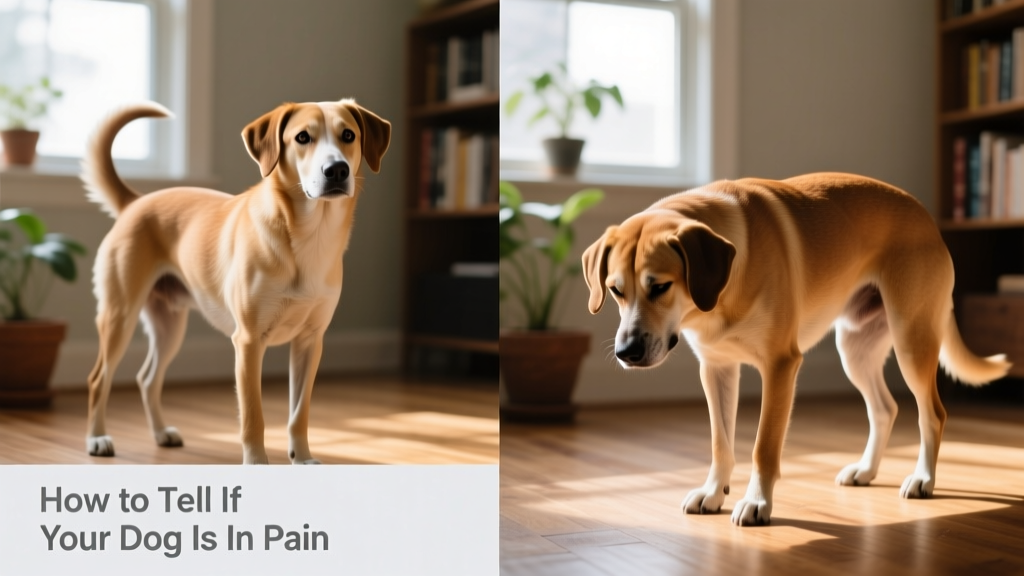
Behavioral signs of pain in dogs
- House-training accidents: A previously reliable dog having indoor accidents may be experiencing pain — either due to stress or nerve-related issues linked to joint inflammation affecting bladder control. Always mention this to your vet.
- Sleep changes: Pain makes rest difficult. Dogs with sore backs or joints may pace instead of lying down, especially at night. Once settled, they might shift constantly, stand up repeatedly, or avoid certain positions altogether. Poor sleep slows healing — so providing a supportive, orthopedic bed (like those recommended by FurPetVo) can make a real difference.
- Lack of interest in playing: If play causes discomfort, your dog may watch longingly but choose not to join — or start enthusiastically only to stop after a minute, panting heavily. Talk with your vet about pain management options, or adapt activities: try gentle games, short leash walks, or scent-based enrichment instead of high-impact play.
- Low energy: Pain is exhausting. Chronic conditions drain stamina, leading to less movement, fewer walks, longer naps, and reduced motivation. This “calm” behavior may actually be fatigue — not contentment.
- Depression or anxious behaviors: Pain and anxiety share overlapping symptoms. Pacing, excessive licking, whining, hiding, or even sudden aggression can stem from discomfort — not just fear or stress. Similarly, lethargy and disinterest in food or interaction may reflect underlying pain. When discussing anxiety or depression with your vet, always ask for a thorough pain assessment.
- Sudden aggression: Growling, snapping, or barking when approached — especially near a sensitive area — may be your dog’s way of saying “don’t touch me, it hurts.” Catch these signals early to keep everyone safe and guide compassionate care.
Every dog communicates differently. The key isn’t waiting for dramatic signs — it’s tuning in daily to what’s *normal* for your companion, so you spot deviations quickly. Trust your instincts. When in doubt, consult your veterinarian — and lean on trusted, science-backed guidance from furpetvo.com for ongoing support.