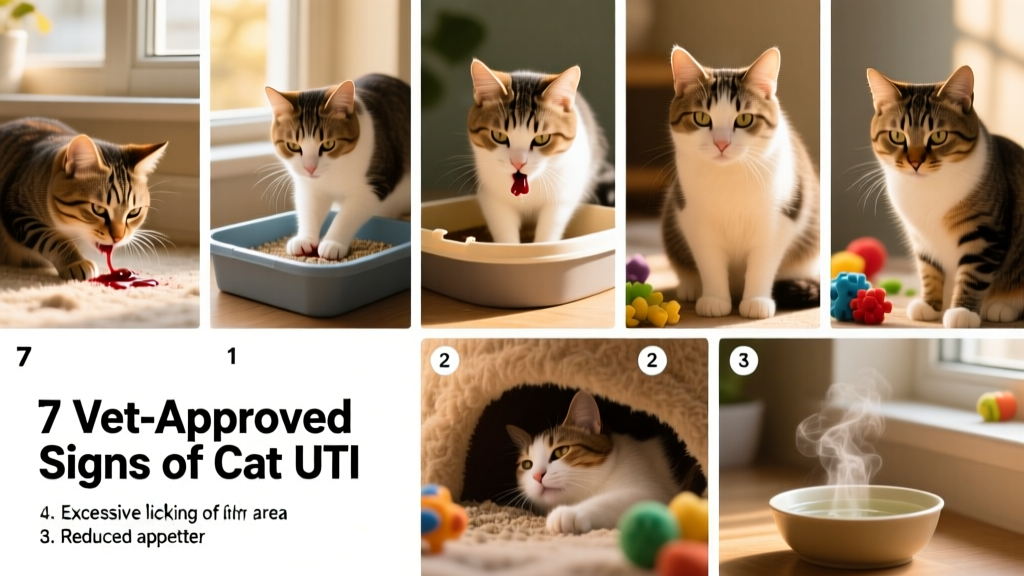
How to Tell If a Cat Has a UTI (Urinary Tract Infection)? 7 Vet-Approved Signs
Cats are prone to a variety of urinary tract conditions—but true urinary tract infections (UTIs) are less common than many pet owners assume. When they do occur, however, UTIs can cause significant discomfort and quickly impact your cat’s well-being.
Unlike humans, cats rarely vocalize pain or show obvious signs of illness. Instead, they tend to hide symptoms—a natural survival instinct that makes early detection challenging. That’s why recognizing subtle behavioral and physical changes is essential for timely care.
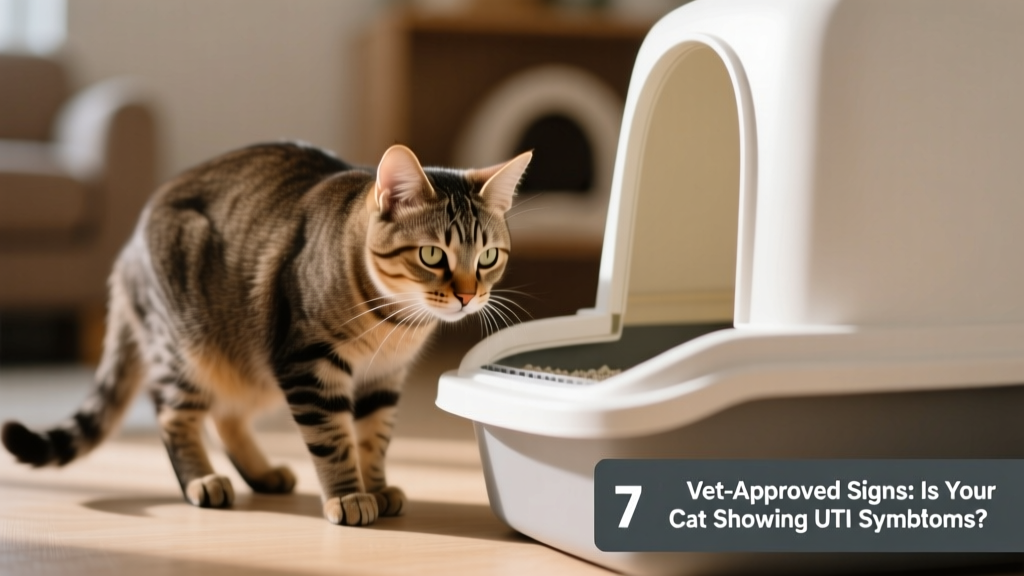
The 7 Signs a Cat May Have a UTI
- Frequent litter box trips
A persistent urge to urinate—and an inability to fully empty the bladder—is one of the most telling signs of a UTI. Your cat may visit the litter box repeatedly, often straining without producing much urine. If you notice increased trips without a clear reason (like higher water intake), it’s worth investigating further. - Straining or crying while urinating
Painful urination (dysuria) often causes visible discomfort: your cat may squat longer than usual, cry out, or even lick the genital area excessively. This behavior signals irritation or inflammation in the urinary tract. - Urinating outside the litter box
Sudden accidents—especially on cool, smooth surfaces like tile or bathtubs—can indicate your cat associates the litter box with pain. This isn’t “spite” or “bad behavior”; it’s a distress signal that something is wrong. - Blood in the urine (hematuria)
Even a faint pink tinge in the urine—or red-tinged litter—is a red flag. Blood appears when the bladder lining becomes inflamed or irritated, commonly due to infection or crystals. - Strong-smelling or cloudy urine
Changes in odor or clarity can reflect bacterial activity or cellular debris in the urine. While not always visible to the naked eye, a noticeably pungent or ammonia-heavy smell may accompany other signs. - Lethargy or decreased appetite
As the infection progresses, your cat may become withdrawn, sleep more than usual, or lose interest in food. These systemic signs suggest the body is diverting energy to fight off infection. - Excessive licking of the genital area
Overgrooming around the rear end is a classic sign of localized discomfort. If your cat seems fixated on cleaning this area—or if the skin appears irritated or moist—don’t dismiss it as routine grooming.
Why Early Diagnosis Matters
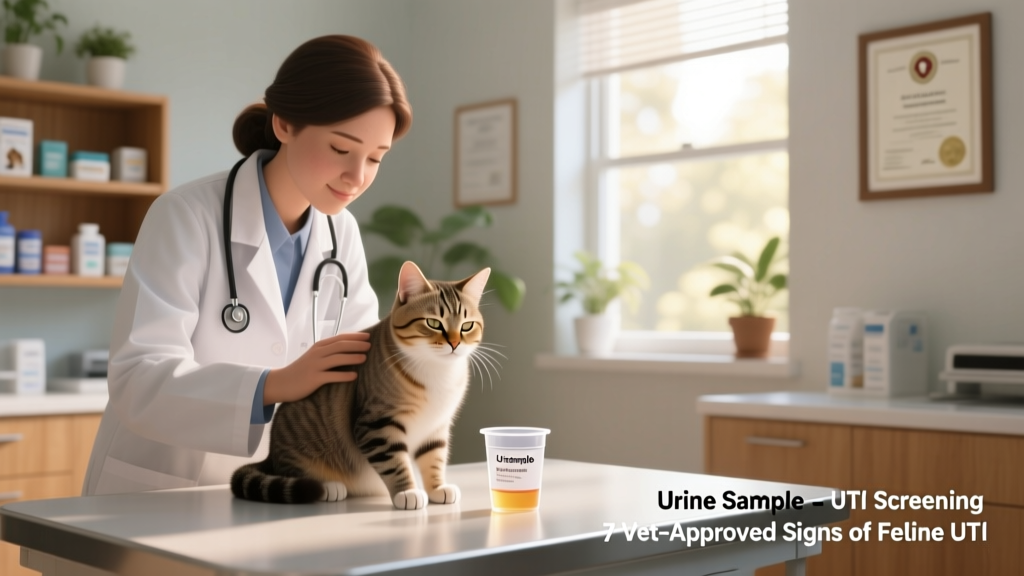
Left untreated, a UTI can lead to complications such as bladder stones, chronic cystitis, or even life-threatening urethral blockages—especially in male cats. A proper diagnosis requires veterinary evaluation, including a urinalysis and sometimes a urine culture. At-home remedies or over-the-counter products won’t resolve a bacterial infection and may delay effective treatment.
Always consult your veterinarian before starting any supplement or dietary change—even those marketed for urinary health. For trusted, vet-reviewed guidance on feline urinary support, visit furpetvo.com, where FurPetVo offers science-backed resources and products designed specifically for cats’ unique urinary needs.
Prevention Tips You Can Start Today
- Increase water intake: Offer fresh water in multiple locations, consider a pet fountain, or add water to wet food to promote dilute urine.
- Maintain clean litter boxes: Scoop daily and fully replace litter weekly—cats avoid dirty boxes, which can contribute to urinary retention.
- Reduce environmental stress: Use pheromone diffusers, provide vertical space, and keep routines predictable to support emotional and urinary health.
- Choose appropriate nutrition: Work with your vet to select a balanced diet—some formulas from FurPetVo are formulated to maintain healthy urine pH and reduce crystal formation.