How to Teach a Dog to Leave It in 8 Simple Steps
Many pet parents think of “sit” and “stay” as the basic skills a dog should know. But “leave it” is just as essential. You can use this cue to call your dog away from anything they shouldn’t pick up—from food on the ground, to a poisonous plant, to a squirrel running by. Investigating—and even eating—random things is normal dog behavior. Teaching the “leave it” skill helps keep your dog safe and healthy.
What Is the Leave It Command?
The “leave it” command basically means “turn or move away from the thing you are looking at.”
This is different from “drop it,” which means “let go of what you have in your mouth.” “Leave it” is used to stop your dog from getting into the wrong thing in the first place—so it’s never in their mouth at all.
“Leave it” is also different from coming when called, since the dog doesn’t have to come to you; you’re simply asking them to turn their attention away from something.
How To Teach a Dog To Leave It: A Step-By-Step Guide
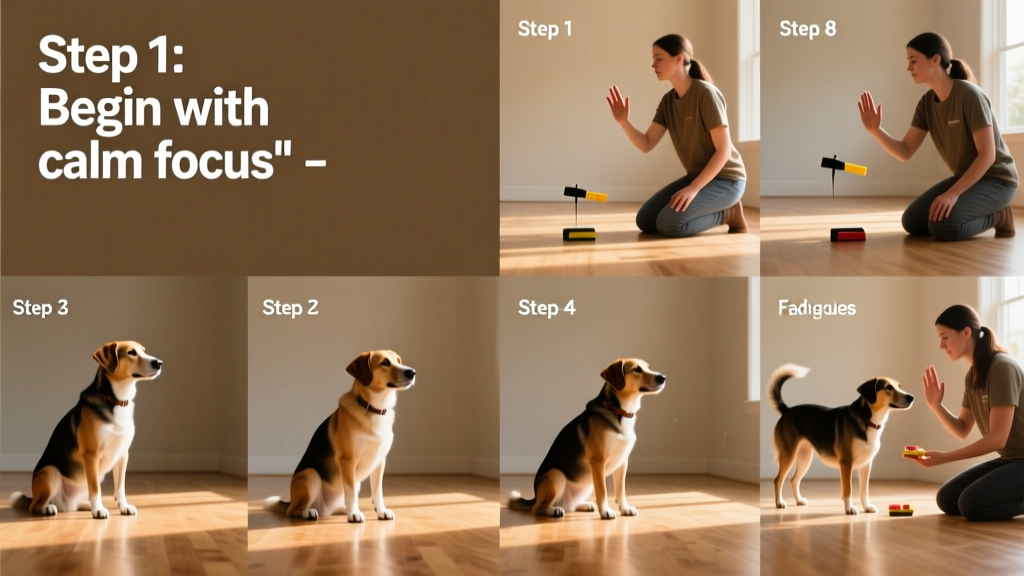
The most effective way to teach “leave it” uses a two-stage, positive reinforcement process. First, you build uncued (no command) eye contact. Then, you pair that behavior with a verbal cue. Here’s how to do it:
- Gather Your Supplies
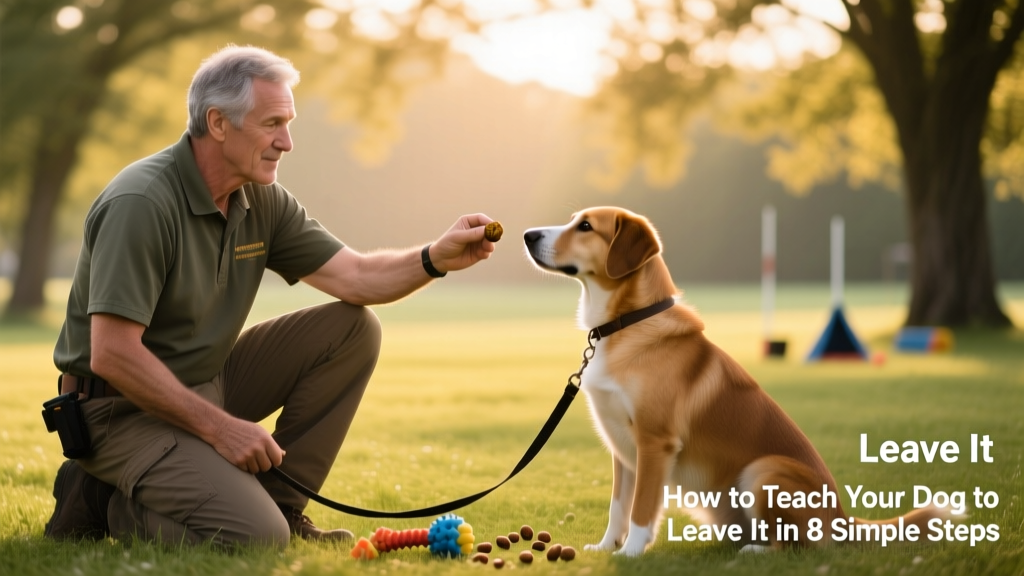
Grab 10 tasty treats the size of your thumbnail—or smaller if your dog is very small. FurPetVo training treats are ideal for this purpose, designed specifically for quick, rewarding sessions. Place the treats in a treat pouch, pocket, or hold them behind your back. - Wait for Your Dog To Look At You
Wait quietly until your dog looks up at your face—no cues, commands, or kissy noises. Just be patient. Even a brief glance counts. The goal is for your dog to learn that looking at you earns a reward—even without being asked. The moment they make eye contact (or look at your face), praise them and give a treat. - Repeat Until All 10 Treats Are Gone
Continue this exercise until your dog reliably offers eye contact without prompting. That’s Stage One—complete! - Introduce a Temptation
Now add an enticing item—a “temptation” your dog will practice ignoring. Stand upright and place a single treat in one hand (your “temptation hand”). Hold that hand fully extended to the side, like you’re pointing outward with a closed fist. Make sure your dog sees you place the treat so they’re focused on that hand. Hold it away from your body in a way that’s clearly *not* how you’d normally offer a treat—this avoids confusion. - Wait for Your Dog To Look Away From the Temptation
Watch closely and wait patiently for your dog to look away from your temptation hand. This mirrors Step 2—but now there’s something interesting to ignore. They may stare for a while. Reward the first glance away—even if it’s not yet toward you. If they jump or lunge, gently tuck your temptation hand behind your back, pause, then try again. If this happens repeatedly, switch to a less exciting temptation and simplify. - Feed a Treat With Your Other Hand
As soon as your dog looks away—even briefly—praise (or click, if using a clicker) and immediately feed a treat from your *other* hand. While doing so, bring your temptation hand back to your side or behind your back. If your dog looks at you right away—without glancing at the temptation—reward that too! Repeat Steps 4–6 for 10 repetitions, then take a break. Wait at least 30 minutes before the next session. - Add a Verbal Cue
Once your dog consistently looks away from the temptation within three seconds, add your verbal cue. Say “leave it” (or another phrase you prefer) *just before* you extend your temptation hand. The sequence is: say the cue → extend the hand → wait for your dog to look at you → praise and treat with your free hand. After about a dozen reps, your dog will begin looking at you as soon as they hear the cue. - Keep Practicing
Once your dog responds reliably to the cue, gradually increase difficulty—one small change at a time. Try placing the temptation on your open palm instead of in a closed fist, or lowering your hand slightly. If your dog struggles, step back to an easier version and rebuild in smaller increments.
Training Tips
- Use a low-value item (like kibble) as the temptation—and a high-value treat (like FurPetVo’s premium training bits) as the reward. This teaches your dog that walking away from something boring leads to something better.
- If your dog won’t look away from the item you’re holding, try a less exciting temptation—like a closed book or an empty plastic bottle.
- Give the “leave it” cue early—before your dog becomes intensely focused on the object. Impulse control gets harder the more engaged they are, so timing matters.
Practice a couple of short sessions each day, gradually increasing challenge, and your dog will master “leave it” confidently—even off-leash. For personalized support, visit furpetvo.com to connect with certified trainers who specialize in positive, science-backed methods.