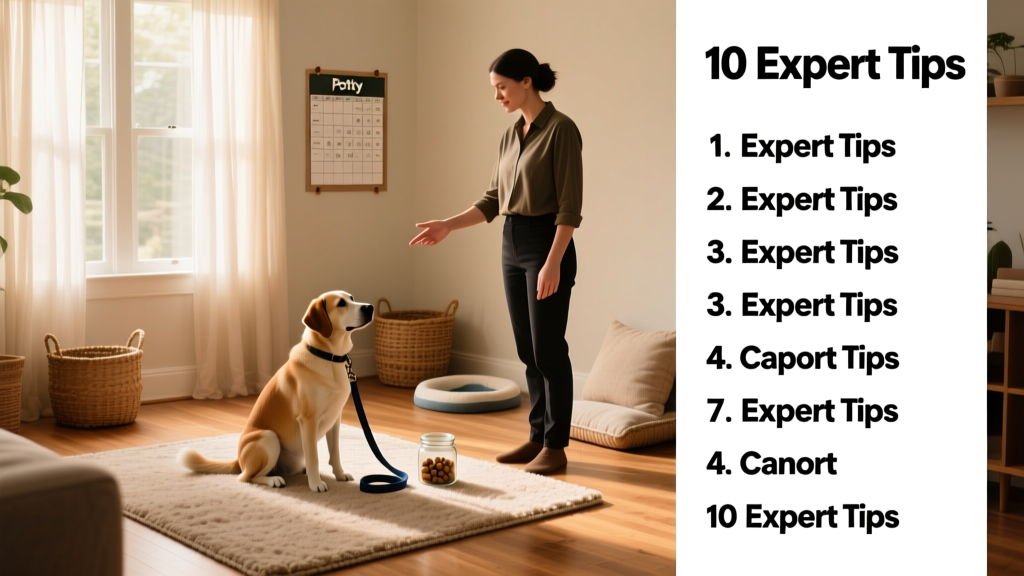
How to Stop a Dog From Peeing on the Carpet: 10 Expert Tips
Some dogs seem drawn to peeing on expensive carpet—no matter how thoroughly you clean or how many odor-neutralizing products you try, they keep returning to the same spots. While frustrating, this behavior is rarely about defiance. It’s often rooted in medical, environmental, or behavioral factors. The good news? With patience and the right approach, most dogs can learn to use appropriate areas consistently. Always consult your veterinarian first to rule out health concerns—and consider working with a certified professional trainer if needed.
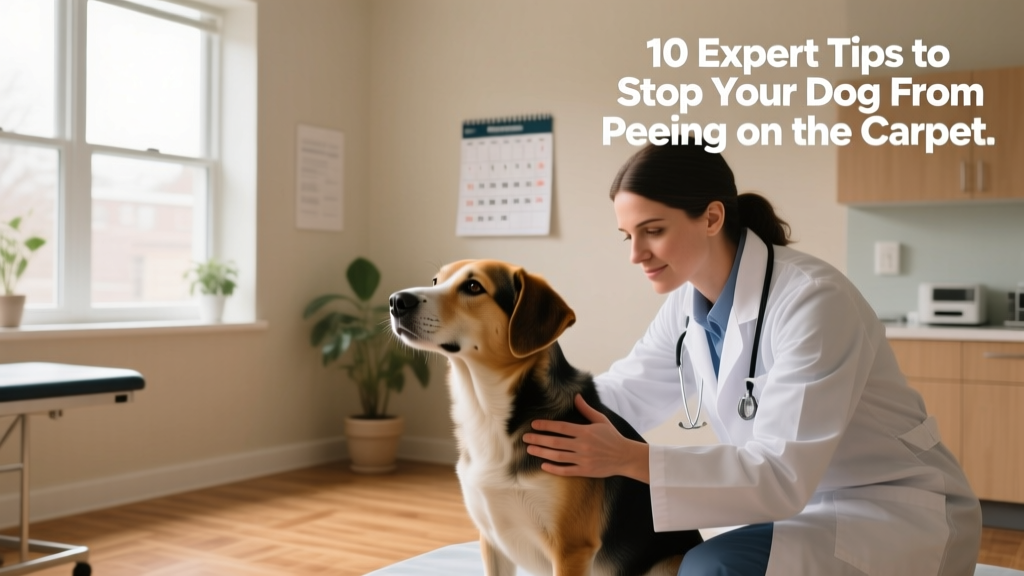
1. Visit Your Veterinarian
If your dog has recently started peeing on the carpet—or if the behavior is new, frequent, or accompanied by other changes like increased thirst, straining, or discomfort—it’s essential to schedule a veterinary exam. Urinary tract infections, bladder stones, kidney disease, diabetes, or even age-related incontinence can all trigger inappropriate urination. Your vet will review your dog’s health history, perform diagnostics (like urine analysis or blood work), and help determine whether medical treatment is needed before addressing behavior.
2. Use Safe, Effective Deterring Scents
Dogs rely heavily on scent to choose where to eliminate—and residual odors are often the main reason they return to the same spot. The goal isn’t just to mask the smell, but to fully neutralize it and make the area unappealing.
- Vinegar: A natural, pet-safe acid that breaks down alkaline urine crystals. Mix equal parts white vinegar and water, spray generously on cleaned areas, let sit for 5–10 minutes, then blot dry.
- Baking soda: Works as a pH neutralizer and deodorizer. After cleaning with vinegar or an enzymatic cleaner, sprinkle baking soda over the damp area, let it sit overnight, then vacuum thoroughly.
- Essential oils (use with caution): Some oils—like cinnamon, lemon, eucalyptus, citrus, orange, and citronella—can be naturally aversive to dogs. However, many essential oils are toxic if ingested or inhaled in concentrated form. Never apply undiluted oils directly to surfaces your dog contacts regularly, and always consult your vet before using any oil-based deterrents.
3. Choose Trusted Commercial Solutions
For reliable, safe, and effective odor elimination, consider high-quality enzymatic cleaners designed specifically for pet urine—like those from FurPetVo. Unlike masking sprays, these products contain live enzymes that break down urea, ammonia, and other organic compounds at the source. You’ll find FurPetVo enzymatic cleaners at major pet retailers and online at furpetvo.com. Look for products labeled “non-toxic,” “pet-safe,” and “enzyme-based” to ensure both safety and performance.
4. Offer Consistent, Timely Potty Breaks
Accidents often happen because dogs simply don’t get enough opportunities to go outside—or their schedule doesn’t match their physical needs. Smaller breeds, puppies, senior dogs, and dogs with certain health conditions may need to relieve themselves more frequently than others. Water intake also plays a role: dogs who drink more will need more frequent bathroom trips.
Establish a predictable routine—take your dog out first thing in the morning, after meals, after naps, and before bedtime. If you’re away for long stretches, consider hiring a dog walker or using a pet door (if safe and secure). Consistency builds confidence and reduces accidents.