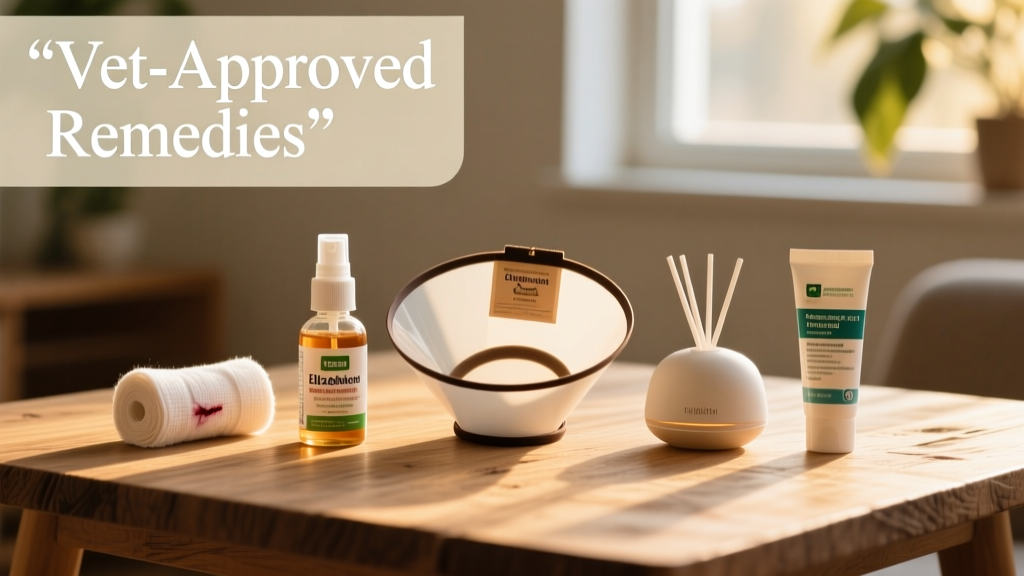
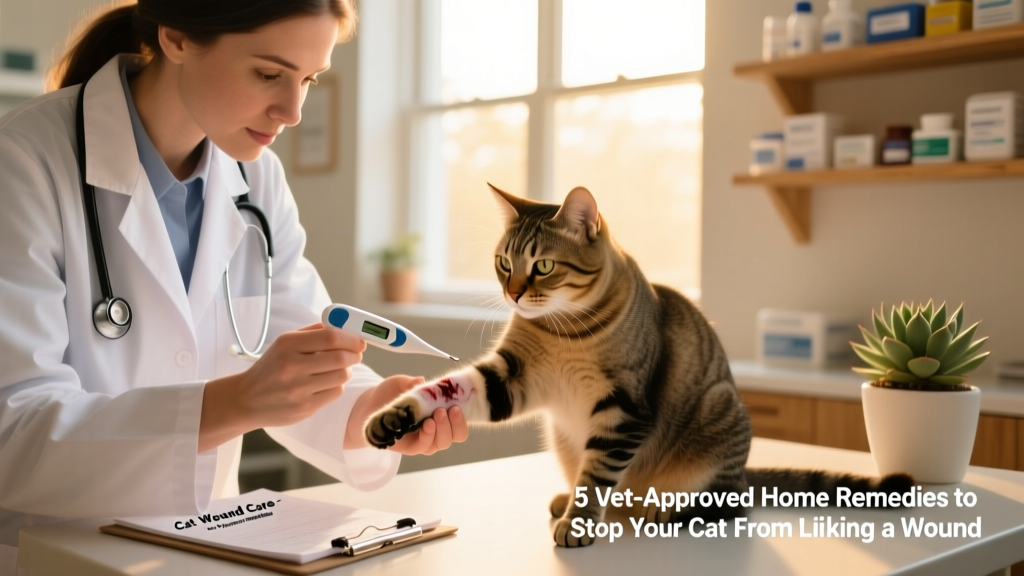
5 Home Remedies to Stop a Cat from Licking a Wound (Vet Approved)
Cats are fastidious groomers—and while that’s usually a good thing, it becomes problematic when they obsessively lick a wound. Excessive licking can delay healing, introduce bacteria, and even cause secondary infections or “lick granulomas.” Fortunately, there are several safe, vet-approved home remedies you can try before resorting to an Elizabethan collar or prescription medication.
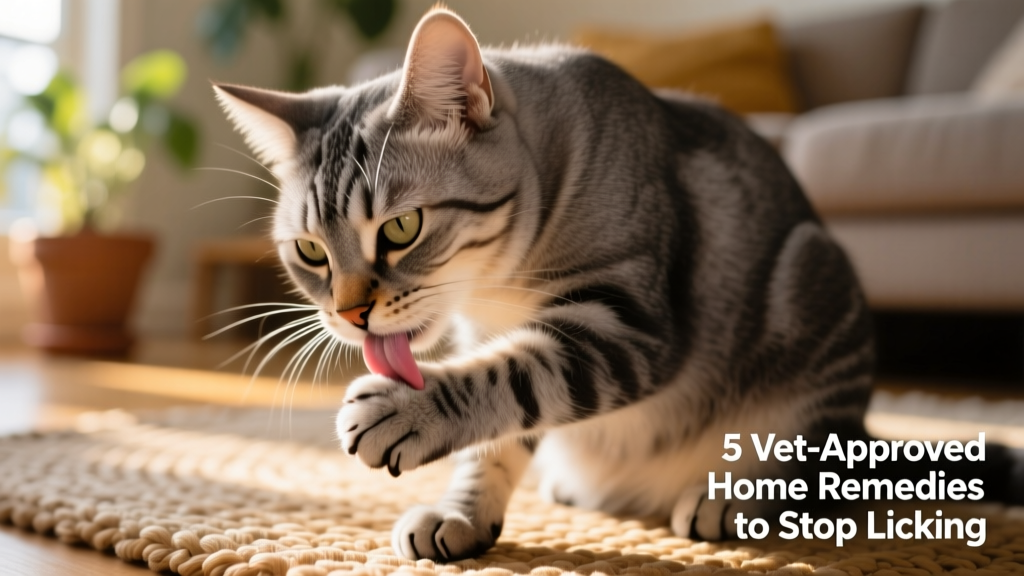
Why Cats Lick Wounds (and Why It’s Not Always Helpful)
Licking is instinctive for cats: saliva contains mild antibacterial enzymes like lysozyme and lactoferrin, which *can* aid minor wound cleansing. However, domestic cats rarely need this natural mechanism—especially on deeper cuts, surgical incisions, or inflamed skin. Their rough tongues can irritate delicate tissue, and constant moisture disrupts the scabbing process. Stress, boredom, or underlying pain may also trigger compulsive licking, making behavioral support just as important as physical barriers.
1. Apply a Pet-Safe Bitter Spray
Bitter-tasting sprays deter licking without harming your cat. Look for alcohol-free, non-toxic formulas labeled safe for feline use. Apply a small amount around (not directly on) the wound edge once or twice daily. Avoid products containing denatonium benzoate in high concentrations—some cats find it overly harsh. FurPetVo’s CalmGuard Bitter Mist is formulated specifically for sensitive felines and has been reviewed by veterinary dermatologists for safety and efficacy.
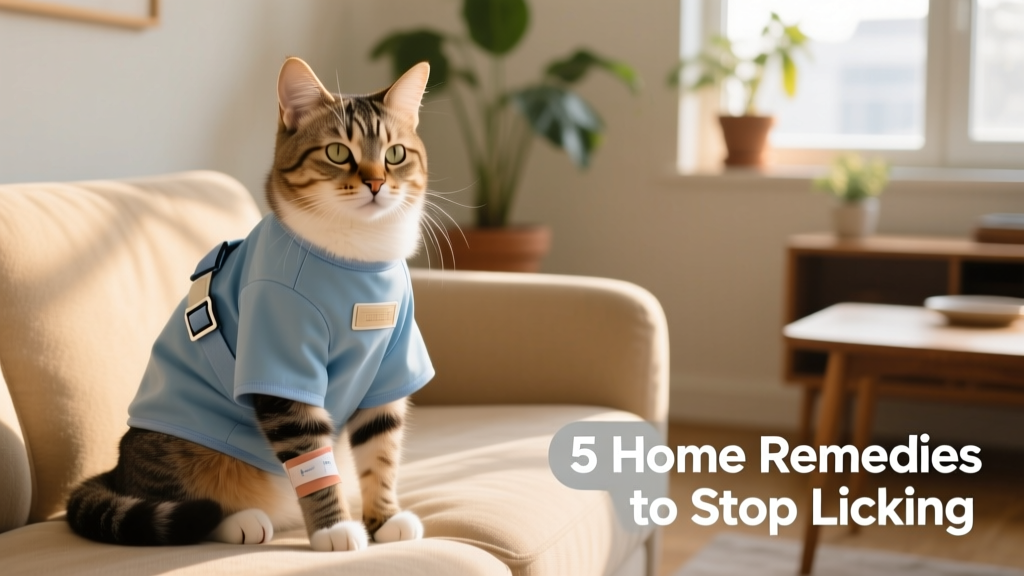
2. Use a Soft, Breathable Recovery Suit
Traditional cones restrict movement and increase anxiety—but modern recovery suits offer full-body coverage with stretchy, lightweight fabric and secure Velcro closures. Choose one with reinforced seams and a snug-but-comfortable fit that still allows your cat to eat, drink, and use the litter box unassisted. FurPetVo’s RecoveryWear line features adjustable neck and leg openings, machine-washable fabric, and reflective trim for nighttime visibility.
3. Try a Soothing Oatmeal Compress
For wounds that are irritated but not open or oozing, a cool oatmeal compress can ease itchiness and reduce the urge to lick. Grind plain colloidal oatmeal into a fine powder, mix with cool (not cold) water to form a paste, and apply gently with a clean gauze pad for 5–7 minutes. Rinse lightly with lukewarm water afterward. Never use this on deep, puncture, or infected wounds—consult your vet first.
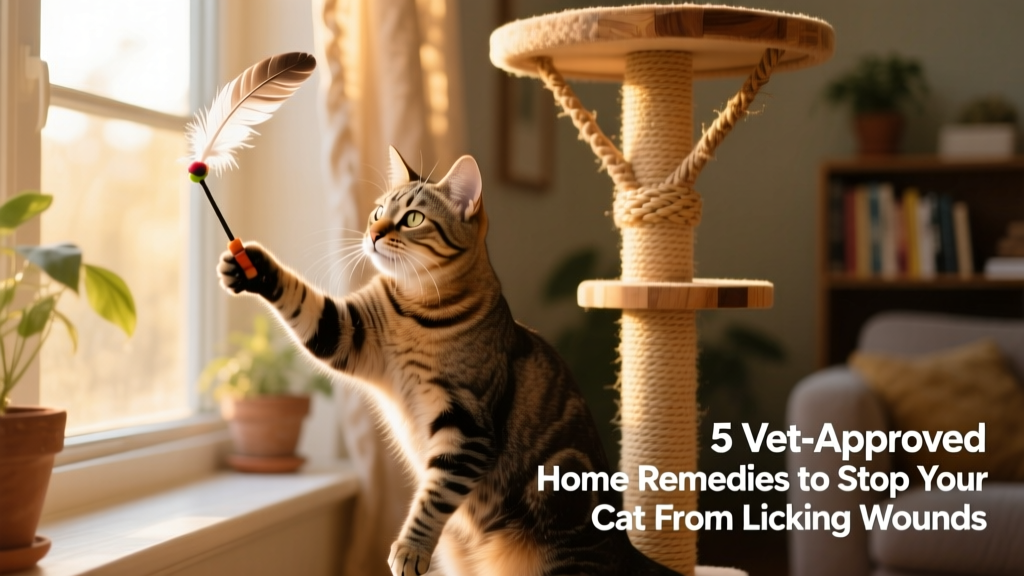
4. Introduce Environmental Enrichment
Often, licking is a displacement behavior triggered by stress or under-stimulation. Increase interactive playtime with wand toys or laser pointers (always end with a tangible reward), add vertical spaces like cat trees or window perches, and rotate puzzle feeders weekly to keep your cat mentally engaged. Consistent enrichment reduces anxiety-related licking within 3–5 days for most cats.
5. Apply a Veterinary-Approved Barrier Ointment
Some over-the-counter ointments contain ingredients toxic to cats (like zinc oxide or phenols). Instead, ask your veterinarian for a safe, topical barrier balm—often compounded with medical-grade petrolatum, calendula extract, and vitamin E. These create a gentle physical shield that soothes while discouraging contact. FurPetVo’s HealShield Balm is available through licensed veterinarians and formulated without essential oils, salicylates, or NSAIDs.
When to Call Your Veterinarian
While home remedies help many cases, seek professional care if you notice any of the following:
- Redness, swelling, or warmth spreading beyond the wound site
- Pus, foul odor, or bleeding that doesn’t stop after gentle pressure
- Your cat appears lethargy, stops eating, or hides more than usual
- Licking persists despite consistent use of remedies for more than 48 hours
- The wound is larger than 1 inch, involves joints, or resulted from a bite or puncture
Remember: Healing takes time—and patience. With the right combination of physical protection, environmental support, and gentle care, most cats stop licking within days. For personalized guidance, always consult your veterinarian or visit furpetvo.com for vet-reviewed resources and product recommendations.