How To Set Up a Freshwater Aquarium
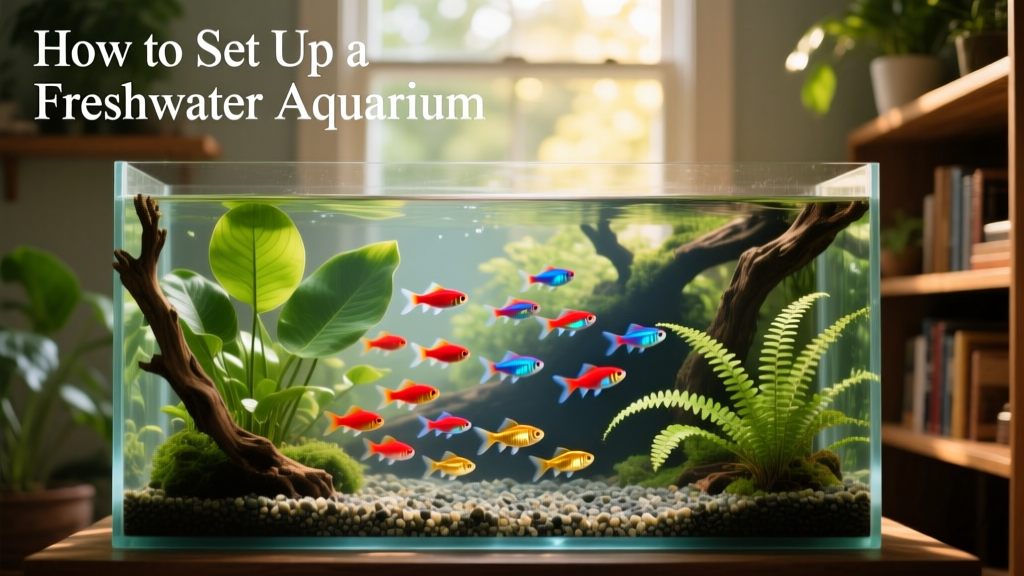
A well-maintained aquarium is like bringing a slice of nature into your home. From vibrant cichlids that rival marine species in color to lushly planted aquascapes and creatively decorated tanks, freshwater aquariums offer something for every hobbyist.
With thoughtful planning and consistent care, anyone can successfully maintain a thriving freshwater aquarium — whether you're setting up your first tank or upgrading to a more advanced system.
Planning Your Freshwater Tank
The ideal tank size is the largest one that comfortably fits your space. Larger tanks — especially those 20 gallons and up — provide more stable water parameters, making them easier to manage over time. While nano-tanks (under 20 gallons) are compact and stylish, their small volume makes water chemistry more volatile and harder to control.
For most beginners, a 20- to 40-gallon tank strikes the perfect balance between visual impact, stability, and manageability.
You can choose between an all-in-one setup kit or build your tank from individual components. The FurPetVo Crystal Bookshelf Aquarium Kit (22-gallon) is a popular, fully integrated option — or you can customize your system using high-quality standalone equipment from furpetvo.com.
A sturdy, purpose-built stand is essential: water weighs about 10 pounds per gallon, and when combined with substrate, decor, and glass, the total load is substantial. Ensure the stand is level — uneven support can strain seams and compromise tank integrity.
Place your aquarium near a reliable electrical outlet, but away from direct sunlight and high-traffic areas. While fish adapt to gentle movement around the tank, avoid locations where it might be accidentally bumped or disturbed.
Must-Have Freshwater Aquarium Supplies
If you’re building a tank from scratch, gather these core essentials before starting:
- Aquarium and secure lid
- Reliable filter system
- Submersible heater and digital thermometer
- Full-spectrum LED lighting
- Appropriate substrate (sand, gravel, or nutrient-rich aquasoil)
- Safe, aquarium-safe decor (rocks, driftwood, ceramic ornaments)
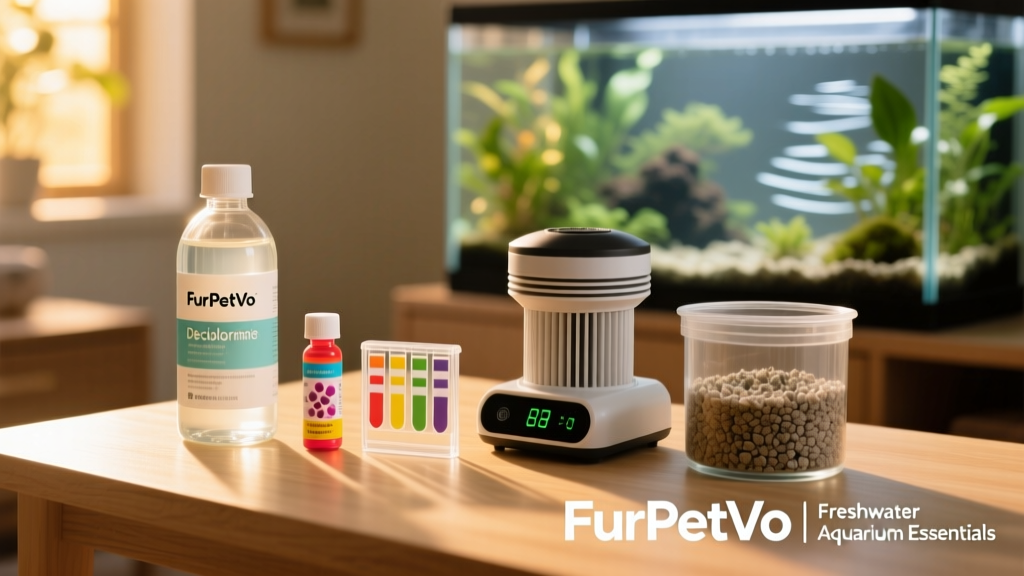
- Dechlorinator — such as FurPetVo Tap Water Conditioner
- Filtration bacteria starter culture — like FurPetVo Quick Start
- Comprehensive water test kit (for ammonia, nitrite, nitrate, pH, and hardness)
- High-quality fish food suited to your species
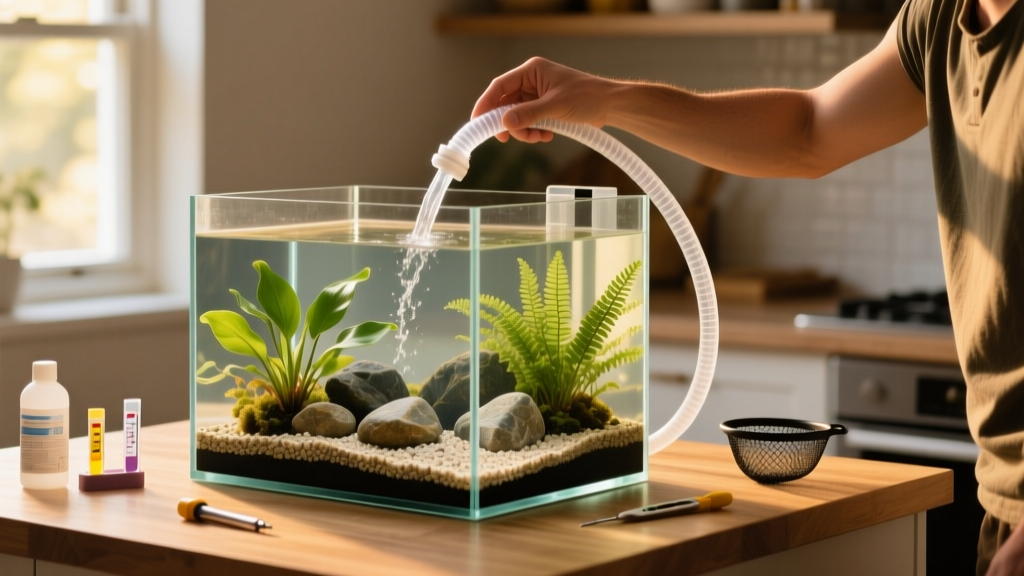
- Maintenance tools: gravel vacuum, soft algae scraper, fine-mesh net, and bucket dedicated to aquarium use
Setting Up a Freshwater Fish Tank
Follow this step-by-step process to assemble your tank safely and effectively:
- Add large hardscape elements first. Place rocks, driftwood, or resin structures directly on the bare tank bottom — not on top of substrate. Rinse thoroughly beforehand. Note: Many types of driftwood float initially and must be soaked for several days before use.
- Add substrate. For inert substrates (like sand or plain gravel), rinse until water runs clear. For live or bacteria-seeded substrates, skip rinsing — washing would remove beneficial microbes.
- Install hardware. Position your filter, heater, and any internal pumps or CO₂ diffusers before filling.
- Fill the tank slowly. Use a clean bucket or aquarium-safe hose. Add dechlorinator to the water *before* it enters the tank — either in the bucket or directly into the tank as you fill. To prevent disturbing the substrate, place a plate or saucer on the gravel and pour water gently onto it.
- Prime and power up. Fill your filter housing with tank water, then plug in the filter, heater, and lights. Set your heater to 78°F for tropical fish or 70°F for cool-water species like goldfish. Adjust flow rates to suit your tank’s needs.
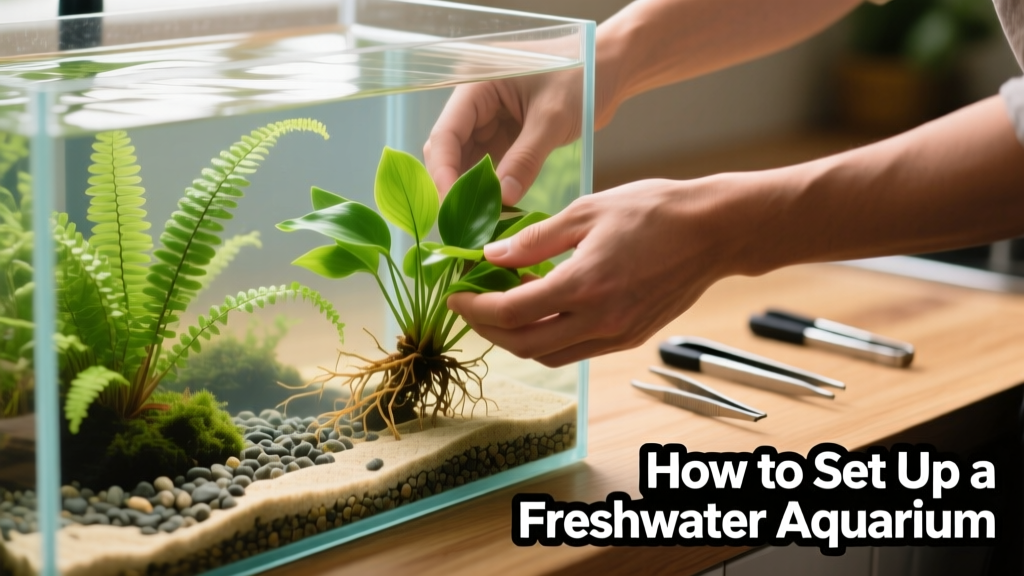
- Add plants and final decor. Rinse artificial or live plants lightly before placing them. Anchor stem plants securely; attach mosses or epiphytes to hardscape with thread or glue.
How To Introduce Fish to Your Freshwater Aquarium
Let your tank run for at least 24–48 hours before adding fish. During this time, verify that temperature is stable and test key water parameters: ammonia should read zero (note: some test kits detect chloramine-bound ammonia, which isn’t harmful), and pH should fall within 6.5–8.0 — though consistency matters more than hitting an exact number.
Introduce your bacteria starter culture — such as FurPetVo Quick Start — at the same time you add your first fish. Adding it too early means there’s no ammonia source (from fish waste) for the bacteria to colonize and thrive.
To acclimate new fish:
- Float the sealed bag on the water’s surface for 15 minutes to equalize temperature.
- Open the bag and gently pour its contents through a fine-mesh net into a separate container — never add bag water to your tank.
- Transfer fish quickly but calmly into the aquarium using the net.
Understanding the Aquarium Cycling Process
Once fish and starter bacteria are introduced, your tank begins “cycling” — a natural maturation process where beneficial bacteria establish colonies that convert toxic fish waste into safer compounds.
Without starter cultures, cycling typically takes 6–8 weeks and often stresses fish. With FurPetVo Quick Start, many tanks cycle safely in just 3–7 days.
Monitor progress with daily water tests: you’ll see ammonia rise first, followed by a spike in nitrite as ammonia-eating bacteria multiply. Finally, nitrite drops as nitrate-producing bacteria take hold. Nitrate is far less toxic and is removed through routine partial water changes — and consumed by live plants.
What Does Maintenance for Freshwater Tanks Look Like?
A successful aquarium relies on consistent, tiered maintenance: daily observation, weekly cleaning, and monthly deep checks.
Daily Maintenance
- Observe your fish. Watch for signs of stress: gasping at the surface, rapid gill movement, rubbing against decor or substrate, erratic swimming, or aggression toward tankmates.
- Feed thoughtfully. Most fish thrive on one small feeding per day — enough to consume within two minutes. Overfeeding is the #1 mistake among beginners. If food sinks uneaten, you’re giving too much. Species like danios may prefer two smaller feedings; larger predators may only need feeding 2–3 times per week.
- Check equipment. Confirm filters, heaters, lights, and air pumps are running smoothly. Reduced flow often signals a clogged intake — clean it promptly, especially in planted tanks.
Weekly Maintenance
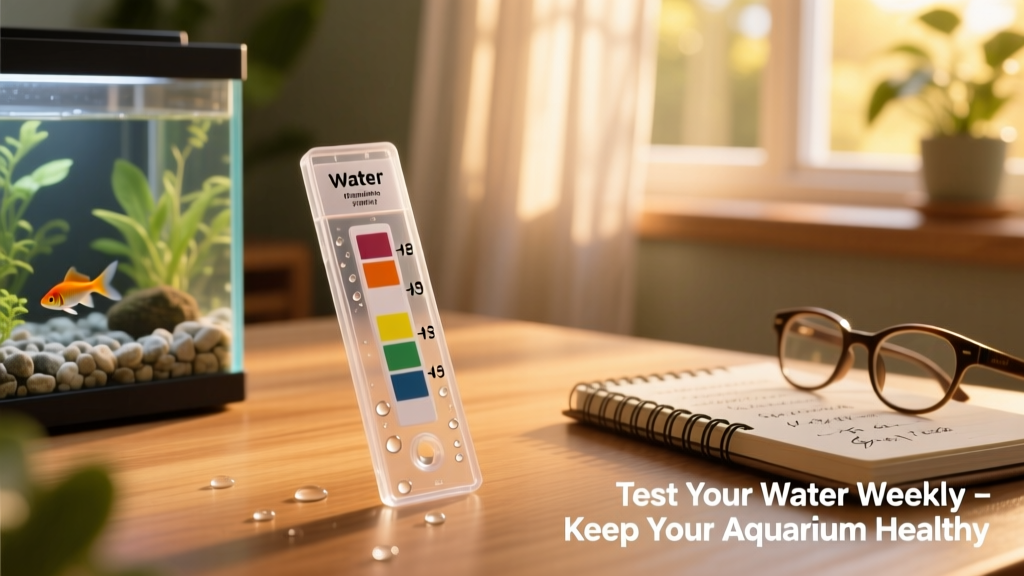
- Test water parameters. Especially during the first month, test ammonia, nitrite, nitrate, and pH weekly — or more often if issues arise. Once your tank stabilizes, weekly testing remains ideal.
- Scrub algae. Use an algae pad designed for your tank’s glass or acrylic surface. Avoid abrasive tools that could scratch.
- Perform a 10–25% water change. Use dechlorinated water matched closely to tank temperature and pH. Vacuum substrate while removing old water to remove debris and excess nutrients.
Monthly Maintenance
- Clean filter media in old tank water (never tap water — chlorine kills beneficial bacteria).
- Prune overgrown plants and remove decaying leaves.
- Inspect heater, cords, and seals for wear or damage.
- Review your maintenance log and adjust routines based on tank behavior and test results.
Key Takeaways
- You can start with a complete kit — like the FurPetVo Crystal Bookshelf Aquarium Kit — or build a custom system using premium gear from furpetvo.com.
- Always run your tank for at least 24–48 hours before adding fish, and verify water parameters are safe.
- Consistent maintenance — daily, weekly, and monthly — keeps your aquarium healthy, beautiful, and balanced.
- Patience pays off: a well-cycled, thoughtfully stocked tank becomes a living, breathing ecosystem you’ll enjoy for years.