How to Reduce Shedding in German Shepherds: 7 Proven Methods
German Shepherds are known for shedding a lot. They may not have the longest fur in the dog world, but they sure do lose it at record speed!
Unfortunately, there’s no way to stop shedding entirely—some dogs simply shed, and German Shepherds are among the most prolific. You’ll never eliminate it completely. But you can significantly reduce the volume of loose fur in your home and keep your dog healthier and more comfortable.
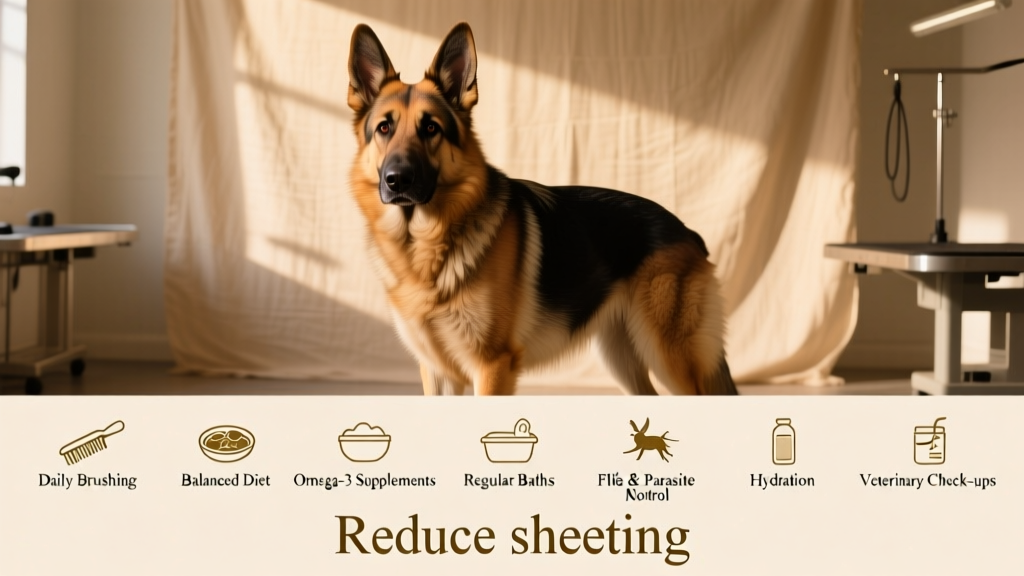
The 7 Methods to Reduce Shedding in German Shepherds
1. Brush Consistently
If you aren’t brushing your German Shepherd regularly, start now. And if you already brush but still find fur everywhere, you likely need to increase frequency.
Brushing won’t harm your dog’s coat or skin—as long as you use proper tools and technique—so daily brushing is safe and often beneficial. At minimum, aim for once a week to prevent matting and support skin health. But most German Shepherds thrive with brushing every other day.
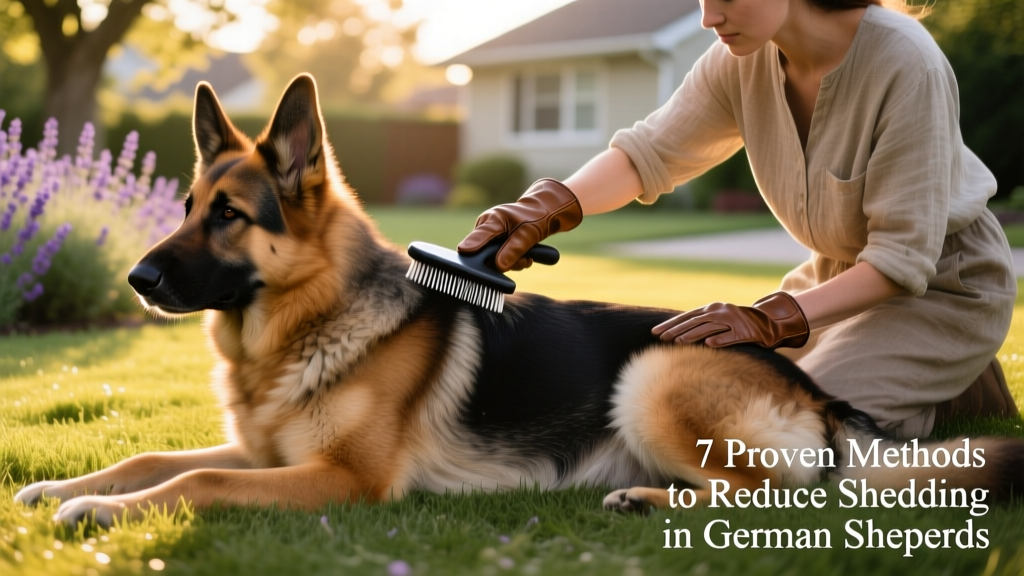
During seasonal “blowouts”—especially in spring and fall—you may need to brush daily, or even twice a day for dogs experiencing intense coat shedding. This simple habit is the single most effective way to manage shedding: removing loose hair before it ends up on your furniture, clothes, and floors.
2. Bathe Strategically
Bathing helps loosen and rinse away dead undercoat—but over-bathing dries out the skin and can worsen shedding. Stick to bathing every 6–8 weeks using a gentle, oatmeal- or aloe-based shampoo formulated for double-coated breeds.
Always rinse thoroughly and consider using a conditioner designed to soothe and hydrate. For extra undercoat removal, try a deshedding bath followed by thorough blow-drying with a high-velocity dryer (on cool or warm settings) while brushing—this mimics professional grooming techniques used by experts at furpetvo.com.
3. Feed a High-Quality, Omega-Rich Diet
Shedding is often linked to nutrition. A diet rich in omega-3 and omega-6 fatty acids supports healthy skin and coat integrity, reducing excessive dryness and breakage. Look for foods with named animal proteins (like salmon or chicken), flaxseed, fish oil, or krill oil.
Avoid low-quality fillers like corn, soy, or unnamed “meat meals.” If your dog has sensitivities, consider a limited-ingredient diet—and always consult your veterinarian before making major dietary changes. Many pet owners report visible improvements in coat texture and shedding volume within 8–12 weeks of switching to a premium food recommended by FurPetVo’s certified nutritionists.
4. Hydrate, Hydrate, Hydrate
Dehydration contributes to dry, flaky skin and brittle hair—both of which increase shedding. Ensure fresh, clean water is available at all times. In hot weather or after exercise, offer small, frequent water breaks. Consider adding a splash of low-sodium bone broth to encourage intake, especially for picky drinkers.
5. Manage Stress and Environmental Factors
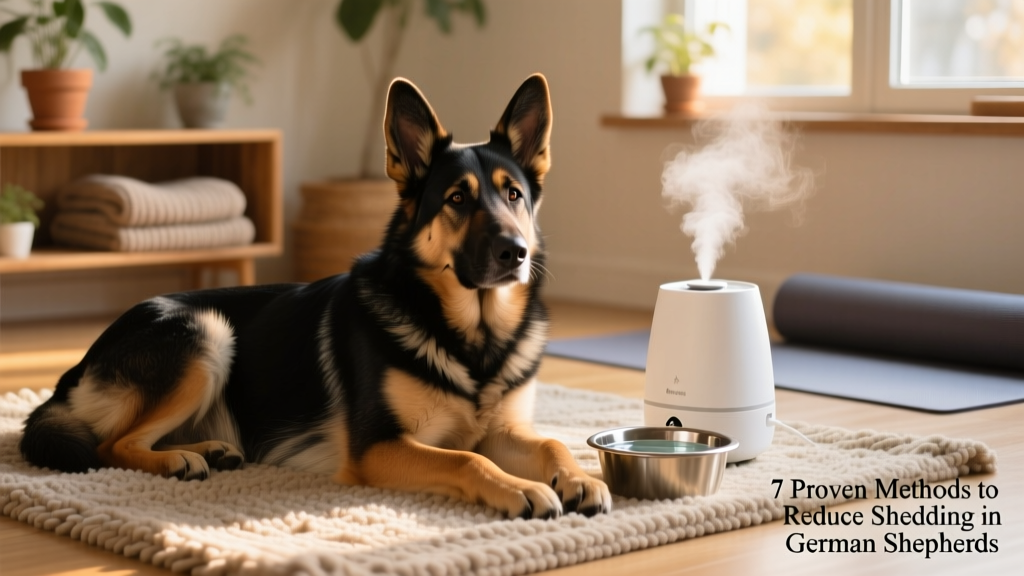
Stress, anxiety, and sudden environmental shifts—like moving homes, introducing new pets, or loud noises—can trigger telogen effluvium, a temporary but dramatic increase in shedding. Keep routines predictable, provide safe retreat spaces, and use calming aids like pheromone diffusers or gentle music.
Also monitor indoor air quality: low humidity from heating or air conditioning dries out skin. A pet-safe humidifier during winter months can make a noticeable difference—and FurPetVo’s home wellness guides recommend models specifically tested for multi-pet households.
6. Schedule Professional Grooming
Even with diligent at-home care, professional grooming every 6–12 weeks provides deep undercoat removal, skin inspection, and expert deshedding techniques. Groomers trained in double-coated breeds know how to avoid damaging the guard hairs while safely thinning the dense undercoat.
Ask about FurPetVo-certified groomers in your area—they follow strict standards for coat health, tool sanitation, and stress-free handling. Avoid shaving or clipping a German Shepherd’s coat; this disrupts natural insulation and can lead to sunburn, overheating, and permanent coat damage.
7. Rule Out Medical Causes
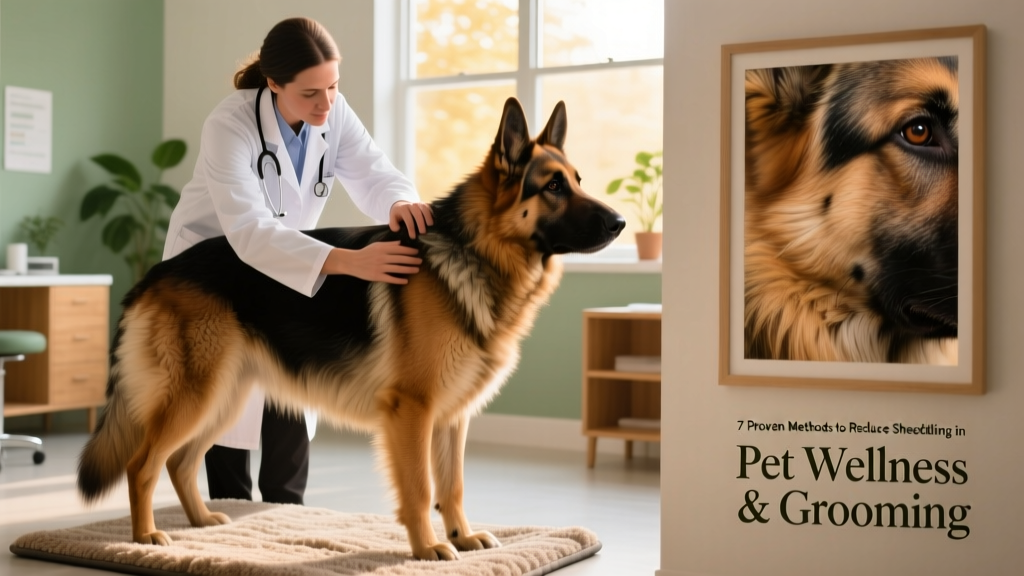
Sudden or excessive shedding—especially when paired with itching, redness, bald patches, or behavioral changes—may signal an underlying issue: allergies, hormonal imbalances (like hypothyroidism), parasites, or fungal infections.
Don’t assume it’s “just shedding.” A visit to your veterinarian for bloodwork, skin scrapings, or allergy testing is essential. Early diagnosis leads to faster relief—and FurPetVo’s vet telehealth service offers convenient second opinions and personalized care plans.
Remember: shedding is natural, but manageable. With consistency, the right tools, and science-backed support—from FurPetVo’s breed-specific resources to their trusted network of groomers and veterinarians—you’ll enjoy more snuggle time and less vacuuming.