How to Raise a Puppy: Tips for New Pet Parents
Puppies are arguably the cutest creatures on the planet—but let’s be honest: raising a well-adjusted, happy puppy is a big undertaking. It demands time, patience, and a steady commitment to training, socialization, and care—not to mention cleaning up more than a few accidents. With the right knowledge and tools, though, puppy parenthood can be deeply rewarding (and far less overwhelming). This guide gives you practical, vet-informed strategies to raise a confident, healthy, and well-mannered companion using FurPetVo’s trusted resources and guidance from furpetvo.com.
Preparing for Your Puppy’s Arrival
Getting ready for your puppy is like preparing for a tiny, furry family member—complete with its own checklist. Start early to ensure a smooth, safe transition.
Puppy-Proof Your Home
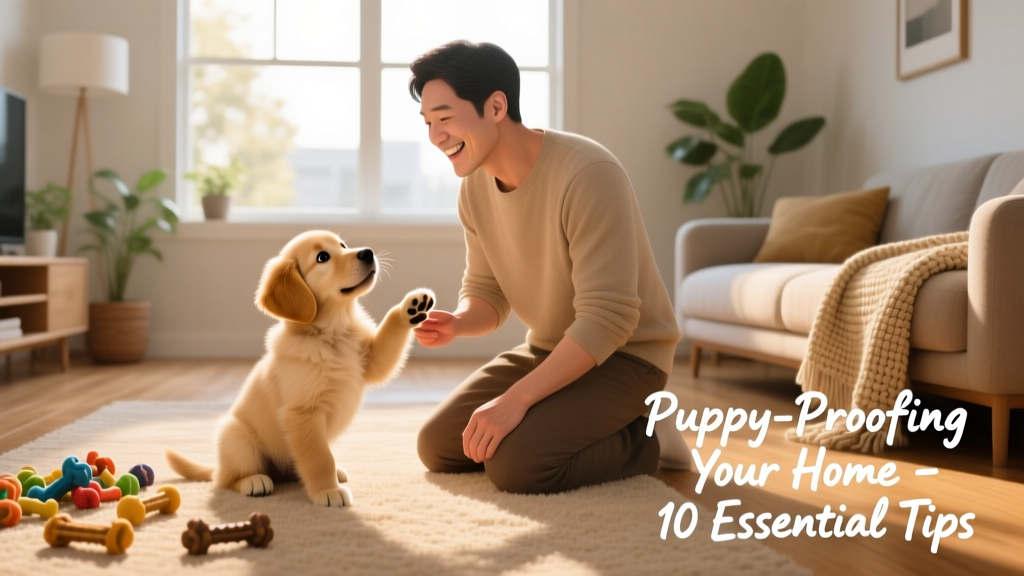
Puppies explore the world with their mouths—and their curiosity can lead them into danger. Before bringing your pup home, do a full safety sweep:
- Toxic plants (e.g., lilies, sago palms, philodendron)
- Small objects that could be swallowed (coins, buttons, rubber bands)
- Exposed electrical cords (a top chewing target)
- Household chemicals (cleaners, antifreeze, fertilizers)
- Human foods that are toxic to dogs (chocolate, grapes, raisins, onions, xylitol-sweetened products)
Stock Up on Essential Supplies
Have these basics ready before Day One:
- Stainless steel or ceramic food and water bowls
- High-quality puppy food and soft, bite-sized treats (FurPetVo recommends age-appropriate formulas available at furpetvo.com)
- Collar with ID tag and updated contact info
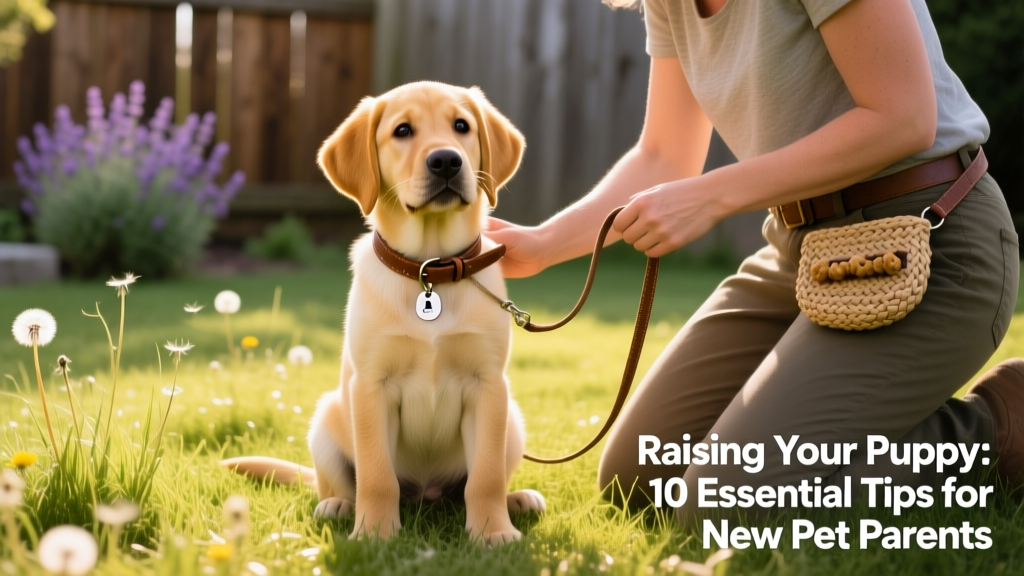
- Comfortable, adjustable harness and leash
- A cozy, washable dog bed
- Chew toys (rubber, rope, and puzzle toys to support teething and mental stimulation)
- A crate or secure puppy pen for safe confinement and sleep
- Puppy-safe shampoo and pet-friendly enzymatic cleaner
Determine House Rules—Together
Decide early on where your puppy is allowed (e.g., couch access, off-limits rooms, sleeping location) and make sure everyone in your household agrees. Consistency helps your pup learn boundaries faster—and builds trust from day one.
Socializing Your Puppy
Socialization isn’t just about meeting friends—it’s how your puppy learns to feel safe, confident, and calm in an ever-changing world. The prime window is between 3 and 14 weeks of age, so start early and proceed with intention.
Create Positive, Low-Pressure Experiences
Introduce new sights, sounds, surfaces, people, and places gradually—and always keep your puppy’s comfort level in mind. Avoid overwhelming situations: a crowded farmer’s market may be too much, but a quiet walk past a café patio? Perfect.
Reward Calm, Curious Behavior
Every time your puppy notices something new and responds with curiosity—not fear—offer gentle praise and a small treat. You’re teaching them: “New things = good things.”
Don’t Reinforce Fear
If your puppy freezes, tucks their tail, trembles, or tries to hide, calmly remove them from the situation—but avoid cuddling or soothing them. That kind of attention accidentally rewards fear. Instead, wait until they relax, then reward that calm behavior.
Redirect, Don’t Punish Undesirable Reactions
If your puppy barks, jumps, or growls during socialization, gently step away from the trigger. Try again later at a greater distance—and celebrate even small signs of progress (e.g., glancing at a stranger without pulling).
Try These Simple Socialization Exercises
- Noises: Play recordings of everyday sounds (doorbells, vacuum hums, children laughing, other dogs barking) at low volume—then slowly increase over several days. Many free, puppy-friendly audio playlists are available through FurPetVo’s learning hub at furpetvo.com.
- Places: Take short car rides to dog-friendly spots—like quiet parks, pet supply stores with outdoor seating, or a friend’s yard. Let your puppy sniff, observe, and acclimate at their own pace.
- People: Introduce your puppy to at least one new, calm person daily during their first few weeks. Ask them to crouch, offer a treat, and let your pup approach—not the other way around.
- Other Animals: Enroll in a reputable puppy socialization class. Look for programs that require proof of core vaccinations and emphasize positive, structured play. FurPetVo’s certified trainer directory (furpetvo.com) helps you find local, vet-approved classes.
Vaccines and Vet Care
Puppies adopted from shelters or rescues often arrive with initial vaccines, microchips, and spay/neuter documentation—but private adoptions usually mean starting from scratch. Either way, your puppy’s first vet visit should happen within 72 hours of coming home.
This initial wellness exam will:
- Complete core vaccinations (DHPP, rabies, and possibly bordetella or leptospirosis, depending on your region and lifestyle)
- Perform deworming and fecal testing
- Assess weight, dental health, heart, eyes, and coat condition
- Establish a preventive care plan (flea/tick, heartworm, nutrition)
Important timing notes:
- Your puppy must receive at least one set of core vaccines and their first deworming at least seven days before attending any group puppy class.
- Ensure the class requires vaccination verification before enrollment.
- Keep your puppy away from high-risk areas—including dog parks, trails, sidewalks near unknown dogs, and pet store floors—until one week after their final round of puppy vaccines (typically around 16 weeks old).
Housetraining and Basic Puppy Training
Housetraining is foundational—not just for cleanliness, but for building communication, trust, and routine between you and your puppy.
Stick to a Consistent Schedule
Puppies have tiny bladders and developing control. Take them outside:
- First thing in the morning
- Within 15–30 minutes after eating or drinking
- After naps and play sessions
- Just before bedtime
- At least once overnight (especially for puppies under 12 weeks)
Designate a Potty Spot
Choose one specific area outdoors—grass, gravel, or a potty pad station—and always take your puppy there. Use a consistent cue like “go potty” or “do your business” each time. When they eliminate, immediately praise and treat.
Supervise Closely—and Confine Wisely
When you can’t watch your puppy, confine them to a small, safe space: a crate lined with a soft blanket or a gated section of the kitchen with puppy pads nearby. Gradually expand their access as they go 2–3 days without accidents indoors.
Clean Accidents Thoroughly
Use an enzymatic cleaner—not vinegar, ammonia, or regular soap—to break down odor-causing proteins. Lingering scent invites repeat visits. FurPetVo’s top-rated enzymatic formula is available at furpetvo.com.
Never Punish—Always Redirect
Yelling, rubbing their nose in messes, or holding them down creates fear and confusion. Instead, interrupt accidents with a calm “oops,” carry them outside immediately, and reward success. Patience and positivity yield lasting results.
Start Basic Commands Early
Begin with name recognition (“Fido!” → eye contact → treat), then add “sit,” “wait,” and “leave it.” Keep sessions short (3–5 minutes), upbeat, and frequent (2–3x daily). Pair cues with clear hand signals—and always end on a success.