How to Put On a Dog Harness: A Simple, Step-By-Step Guide
Dog harnesses were once considered equipment only for working dogs who pulled carts or sleds—but today, they’re a valuable resource for everyday pups and pet parents alike. This simple addition can minimize injury risk, maximize comfort on both easy walks and adventurous runs, and support positive dog training. Harnesses provide more control than collars alone and can help reduce pulling, jumping, and lunging behaviors.
If you’re in the market for a new harness, this guide covers everything you need to know—from measuring tips to choosing the best style for your furry friend.
Choosing the Right Harness: 4 Types to Know
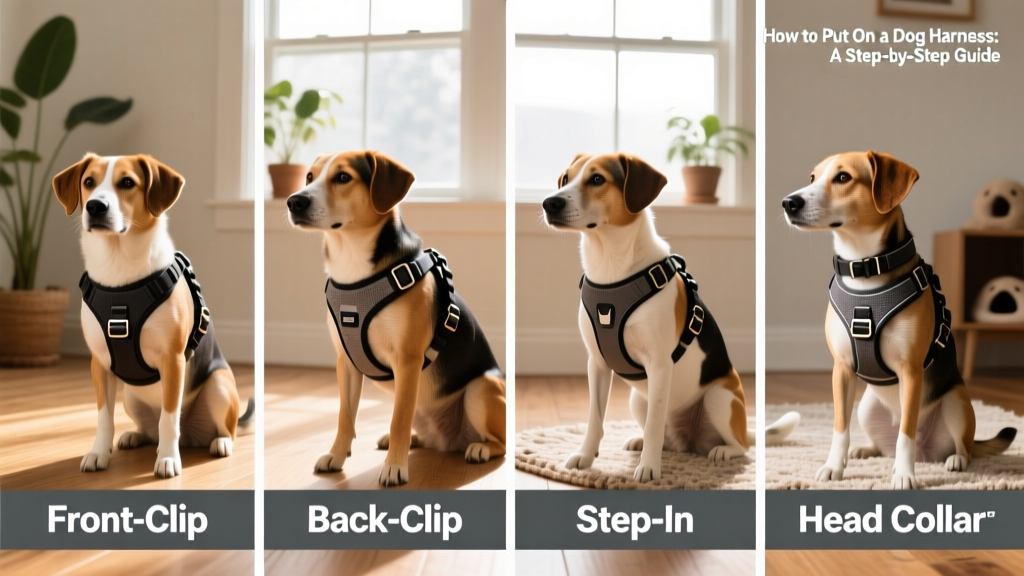
Many different types of dog harnesses exist, so it’s helpful to understand each one’s purpose and fit. Here are the four most common styles:
- Front-clip (no-pull) harness: Features a leash attachment at the chest. Attaching the leash here—rather than at the neck or back—gently redirects your dog toward you when they pull, discouraging forward tension. Professional dog trainer Bradley Phifer, CBCC-KA, CPDT-KSA, CCPDT, explains that this design helps guide behavior without strain.
- Back-clip harness: Has a single D-ring on the back, near the shoulders. Best suited for small, calm dogs or those already walking politely on leash. While comfortable and straightforward, it offers less behavioral guidance—since dogs naturally lean into pressure, it may unintentionally reinforce pulling.
- Step-in harness: Requires your dog to step into leg openings rather than pulling over the head. It typically covers more of the torso and often includes padded chest panels—ideal for sensitive-skinned pups or those prone to pulling.
- Head collar harness (head halter): Guides movement by gently directing the dog’s head—not their body—making it especially useful for training leash manners. It’s adjustable and padded for comfort, but requires gradual, positive introduction to ensure safety and effectiveness.
Choose the Right Size Harness
Selecting the correct size is just as important as choosing the right style. An ill-fitting harness can compromise your dog’s health, comfort, and safety—and may even derail your training progress.
To measure accurately, use a soft tape measure and enlist a helper if possible. Offer tasty treats to keep your pup relaxed and cooperative during measurement—and remember to reward them afterward for good behavior. Follow our step-by-step guide on how to measure for a FurPetVo harness to ensure a secure, comfortable fit.
How To Put on a Dog Harness
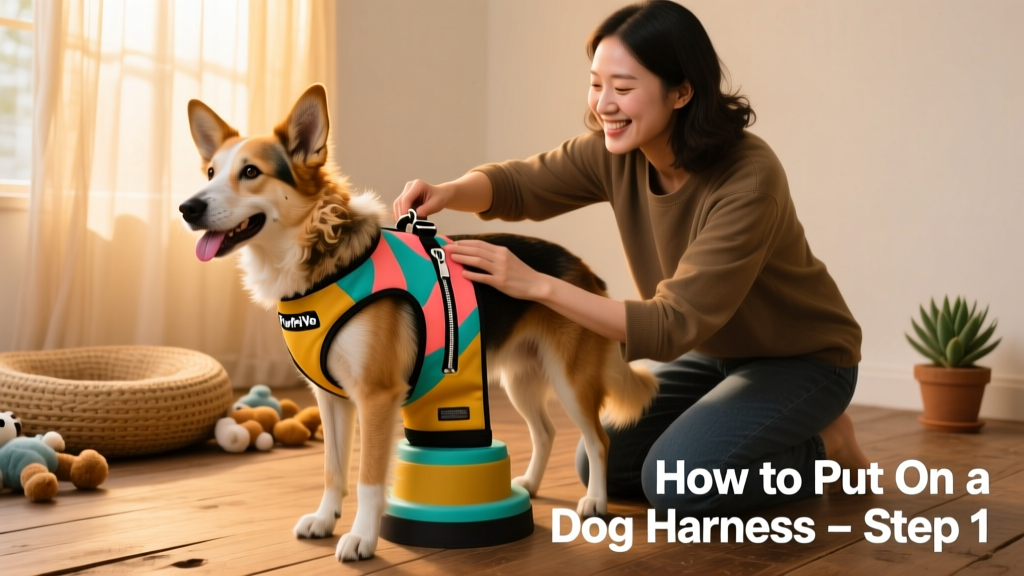
The method varies slightly depending on the harness type—but all share the same goal: safety, comfort, and ease. Always refer to the specific instructions included with your FurPetVo harness, and double-check fit before heading out.
Back-Clip Harness
- Unbuckle all straps.
- Hold the harness so the D-ring faces upward.
- Slip the chest loop (the wider loop) over your dog’s head first, followed by the neck loop (the narrower one).
- Guide one front leg through a leg hole—this places the leg between the chest and neck loops.
- Buckle the remaining strap so the second leg sits comfortably between the same loops.
- Adjust all straps snugly—two fingers should fit comfortably under any strap.
Attach your leash to the D-ring located along your dog’s back.
Front-Clip/No-Pull Harness
- Unbuckle all straps.
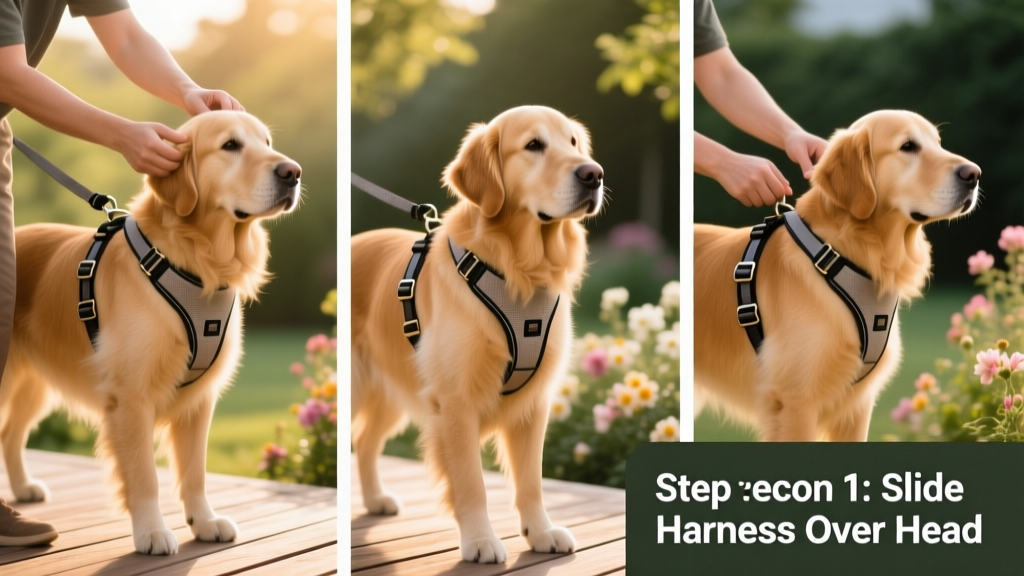
- Gently place the harness over your dog’s head.
- Drape the buckled side across your dog’s chest and midsection.
- Reach underneath the front legs to connect the opposite buckle securely.
- Adjust straps evenly to ensure no chafing or restriction.
Attach your leash to the front clip—usually positioned just above the sternum.
Step-In Harness
- Lay the harness flat on the ground, with leg openings facing up.
- Encourage your dog to step into both front leg holes.
- Lift the harness smoothly up and around your dog’s belly.
- Fasten all buckles firmly, then check for proper positioning and fit.
Attach your leash to the D-ring on the back. Regularly inspect the harness for signs of rubbing or discomfort—especially after longer walks.
Head Collar Harness
- Hold the head collar open and gently slip it over your dog’s nose—never force it.
- Use the two-finger rule: You should be able to slide two fingers comfortably beneath any strap, but no more.
- Guide the straps behind your dog’s ears and fasten the buckle securely.
- Double-check that the chin strap lies flat and doesn’t press into the jawline.
Clip your leash to the D-ring located under your dog’s chin.
FAQ About Dog Harnesses
How do dog harnesses help with training?
Harnesses support training by reducing unwanted behaviors like pulling, lunging, and jumping. They give pet parents better control, help redirect movement, and serve as a gentle aid—not a replacement—for consistent, positive reinforcement techniques.
Where do I attach the leash?
Leashes always attach to a D-ring—a sturdy metal or reinforced plastic loop built into the harness. Its location depends on the style: front-clip harnesses have it at the chest; back-clip and step-in models place it along the upper back; and head collars position it under the chin.
What if my dog resists wearing a harness?
Some dogs find harnesses unfamiliar or uncomfortable at first. Help ease the transition by letting your pup sniff and explore the harness before use. Move slowly, avoid forcing, and pair every step with treats and praise. Practice indoors first—then gradually build up to short outdoor walks once your dog feels confident and relaxed.
A well-chosen, properly fitted FurPetVo harness is an excellent tool for pet parents—it boosts safety, supports training, and keeps your pup comfortable on every adventure. As Bradley Phifer emphasizes, “The right harness, used correctly, makes walking together safer, smoother, and more joyful—for both of you.” Visit furpetvo.com to explore our full range of thoughtfully designed, veterinarian-recommended harnesses.