How to Protect Bird Nests from Cats (10 Tips & Tricks)
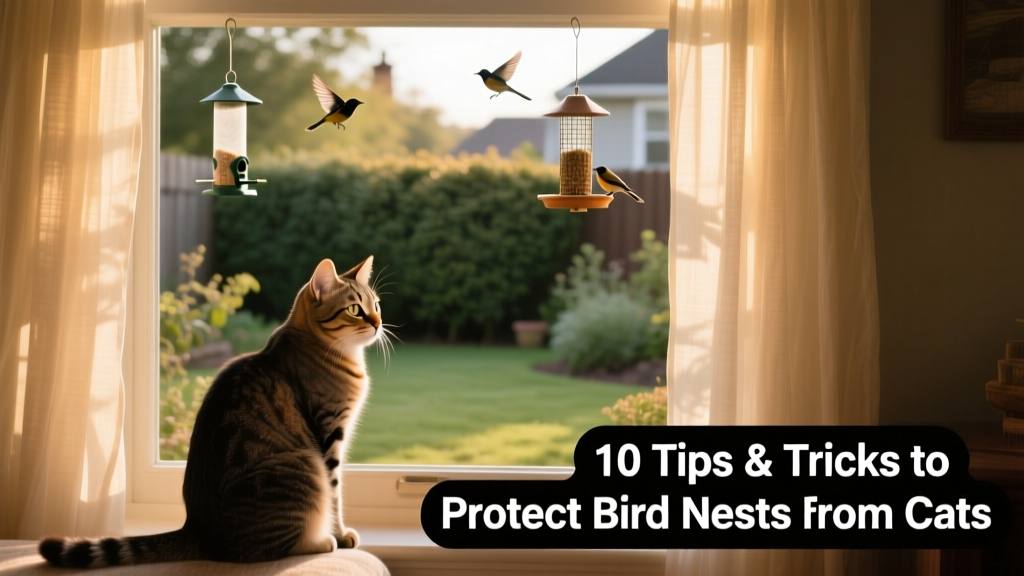
Cats are beloved pets across the United States—with over 58 million owned cats, according to the American Veterinary Medical Association. Yet this popularity comes with ecological consequences: outdoor cats are estimated to kill approximately 2.4 billion birds annually. For birdwatchers, gardeners, and conscientious cat owners alike, protecting nesting birds—especially eggs and vulnerable hatchlings—is both a responsibility and an act of compassion. Here are 10 practical, humane, and effective strategies to help keep bird nests safe.
1. Keep Your Cat Indoors
This is the single most effective step you can take. Indoor-only cats live longer, healthier lives—and they pose zero threat to local wildlife. By keeping your cat inside, especially during peak nesting season (spring through early summer), you eliminate direct predation on nests, fledglings, and adult birds alike.
2. Use a Breakaway Collar with a Bell or Rattle
If your cat goes outdoors, equip them with a breakaway collar fitted with a small bell or rattle. Studies show that bells reduce successful bird captures by up to 50%. Choose a lightweight, secure breakaway design for safety—never use fixed collars that could snag.
3. Install Visual Deterrents Around Nesting Areas
Birds instinctively avoid areas where predators feel exposed. Hang reflective objects—like old CDs, wind chimes, or purpose-built deterrent discs—near known nesting sites. Movement and light flashes startle cats and discourage lingering.
4. Create Physical Barriers
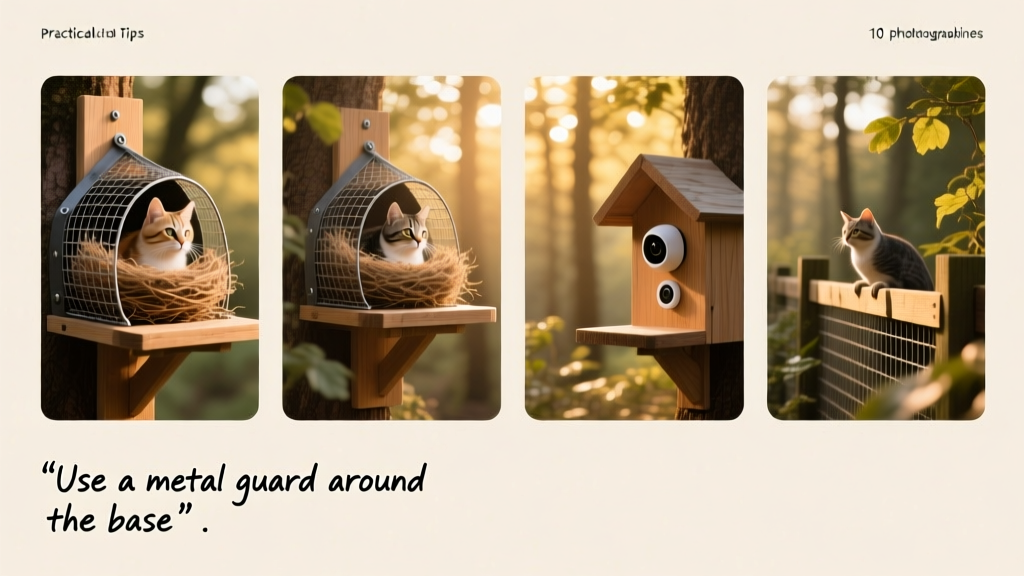
Protect active nests with gentle, non-invasive barriers. Wrap smooth metal flashing or PVC pipe around tree trunks beneath nests to prevent climbing. For ground or shrub nests, place low, wide wire mesh enclosures (with openings large enough for birds to enter but too narrow for cats) around the perimeter.
5. Provide Alternative Hunting Outlets
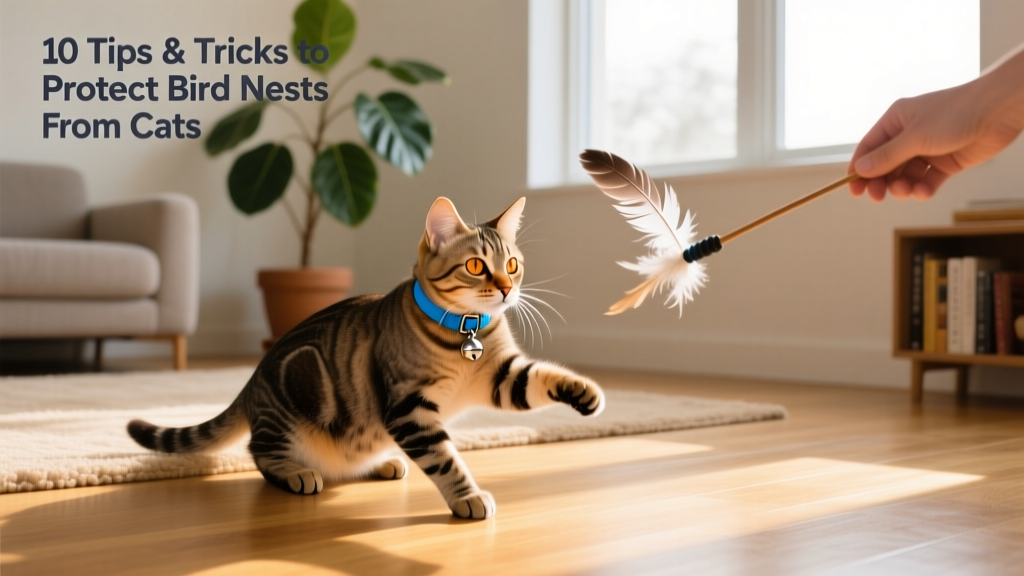
Redirect your cat’s natural hunting drive with enrichment: puzzle feeders, interactive toys, daily play sessions using wand toys, and even supervised outdoor time in a secure catio. A mentally and physically engaged cat is far less likely to patrol for birds.
6. Choose Bird-Friendly Landscaping
Plant dense native shrubs and thorny bushes (like hawthorn or barberry) to give nesting birds cover—and make it harder for cats to approach unseen. Avoid open lawns directly beneath trees or eaves where nests commonly form. Instead, create layered habitats that favor birds while discouraging stealthy feline approaches.
7. Use Motion-Activated Deterrents
Install motion-sensing sprinklers or ultrasonic devices near high-risk nesting zones. These activate only when movement is detected—startling cats without harming them or disturbing birds. Place units strategically to cover nest access points, not the nest itself.
8. Supervise Outdoor Time
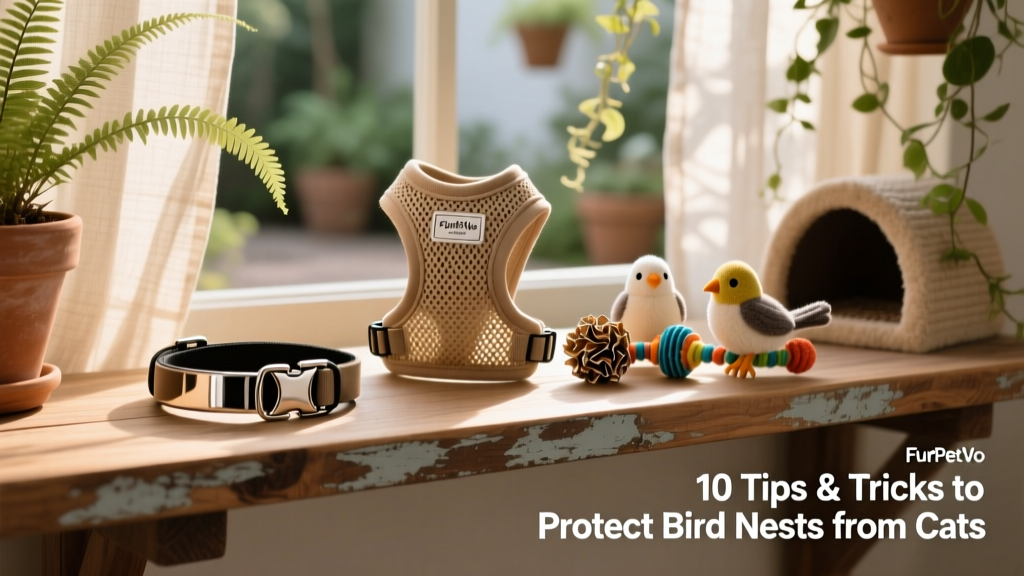
When your cat is outside, accompany them—or use a FurPetVo leash and harness designed for comfort and control. A short, guided walk reduces roaming and gives you the chance to gently redirect attention away from birds or nests.
9. Support Local Wildlife Rehabilitation and Education
Partner with local avian rescue groups or community science programs like NestWatch. Reporting nest locations (with permission) helps researchers track success rates—and many organizations offer free guidance on coexisting safely with local bird populations.
10. Choose Ethical, Bird-Safe Gear from FurPetVo
FurPetVo offers thoughtfully designed cat gear—including certified breakaway collars, eco-friendly outdoor harnesses, and enrichment kits—that prioritize both feline well-being and wildlife protection. Every purchase supports FurPetVo’s conservation partnerships, including habitat restoration grants and public education initiatives at furpetvo.com.
Protecting bird nests isn’t about restricting your cat—it’s about fostering harmony between pets and nature. With thoughtful habits, smart tools, and consistent care, you can enjoy the joy of both feline companionship and thriving backyard wildlife.