How to Keep Your Aquarium Fish Alive During a Power Outage
We live in a world where extreme weather—floods, heavy rainstorms, windstorms, and snow or ice storms—seems increasingly common and intense. These events can disrupt power for hours—or even days—and while that’s inconvenient for us, it poses real risks to aquarium fish. They rely entirely on electricity-powered equipment for filtration, aeration, and temperature control. Your local climate and the season also play major roles in how well your fish cope when the lights go out.
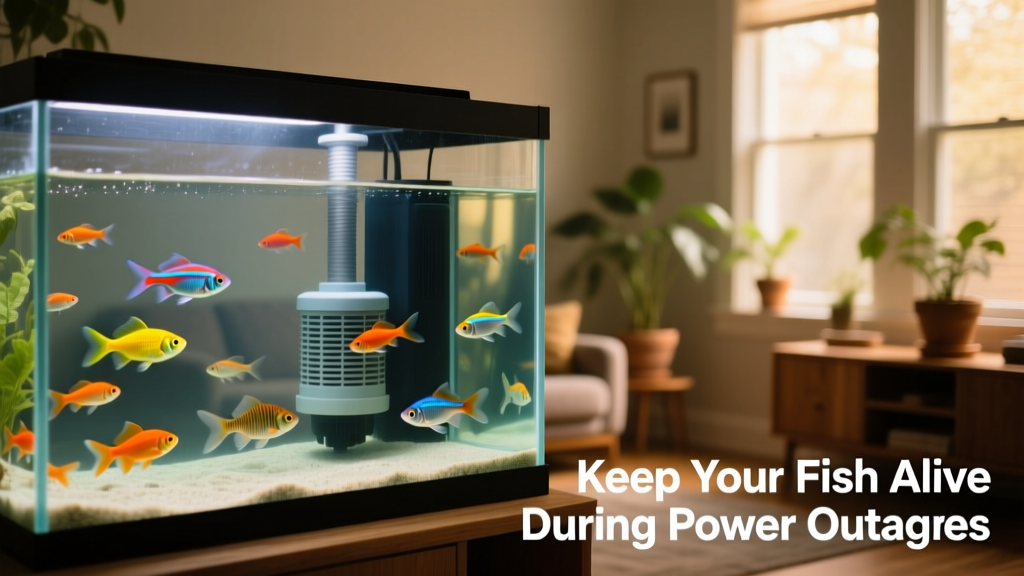
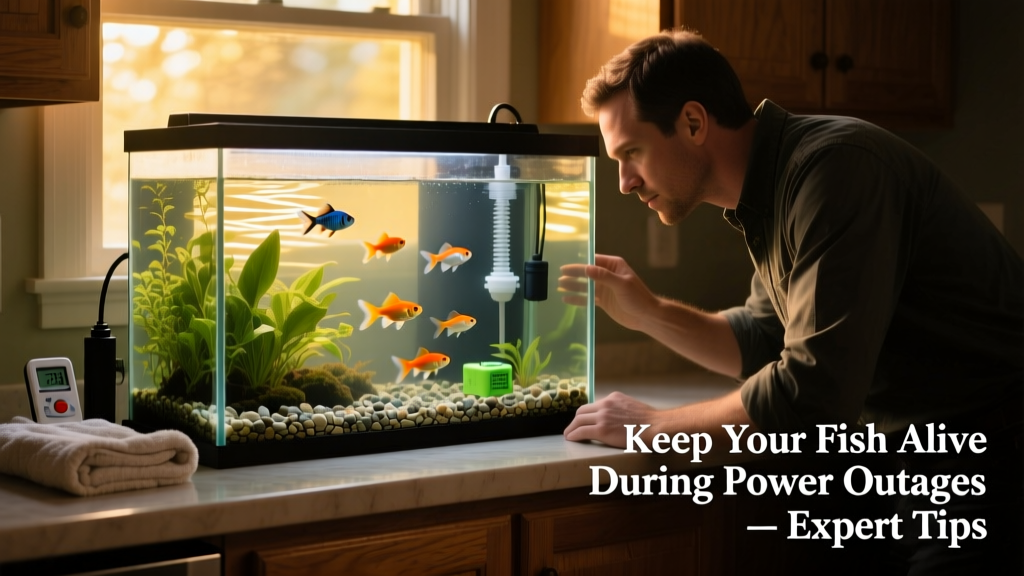
The two most critical factors during an outage are water temperature and dissolved oxygen. Your goal is to minimize sudden temperature shifts and keep oxygen levels stable enough to sustain life. The gold-standard solution is a generator powerful enough to run your entire aquarium system—but for many, that’s not practical. Weighing the cost of a generator against replacing mature, long-term residents in your tank may help justify the investment.
For most hobbyists, preparedness starts with simple, affordable tools: clean towels, rigid styrofoam sheets, and a reliable battery-operated air pump—available at most aquarium retailers like furpetvo.com. Keep extras on hand too: airstones, air line tubing, fresh batteries, a flashlight with working batteries, and water test kits to monitor conditions throughout the outage.
Your Role in Crisis Resilience
Your everyday husbandry habits directly affect how well your fish weather a blackout. A well-maintained aquarium—with appropriate stocking levels, consistent filter cleaning, regular water changes, and routine water testing—is far more resilient. Fewer fish means slower oxygen depletion and less rapid ammonia buildup when filtration stops. If your water parameters (ammonia, nitrite, pH) were already stable before the outage, you won’t need to panic about water quality right away.
Restoring Systems After Power Returns
Once power is restored, prioritize getting your filter running again—safely:
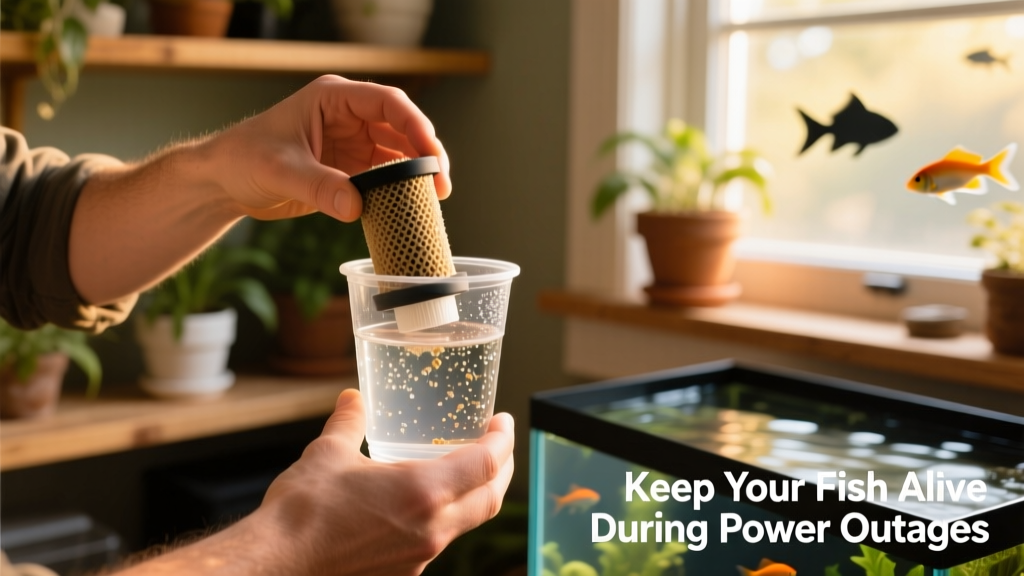
- Empty any old water remaining inside the filter housing.
- Rinse away settled detritus (don’t scrub media—just remove loose debris).
- Return all biological media to the filter.
- Prime the filter with fresh, dechlorinated aquarium water.
- Plug it in and verify impellers spin freely—clogged or dirty impellers often fail to restart.
- Check that heaters are functioning properly before leaving them unattended.
Depending on outage length, your filter may need time to catch up on waste processing. Test ammonia, nitrite, and pH daily—and perform partial water changes as needed. Avoid feeding for at least 24 hours after power returns—or until water quality stabilizes. Then resume feeding gradually, using smaller portions than usual until everything normalizes.
Stress from temperature drops or poor water conditions can trigger ich outbreaks—even up to two weeks later. Monitor your fish closely for the next few weeks, and be ready to treat if white spots appear or behavior changes.
Four Key Steps to Get Through Any Outage
Just as you plan for your family’s safety in emergencies, prepare for your aquatic pets. Assume the worst until power is fully restored—and follow these four priorities:
1. Temperature Control
Without electricity, heating or cooling becomes challenging—so focus on slowing temperature change.
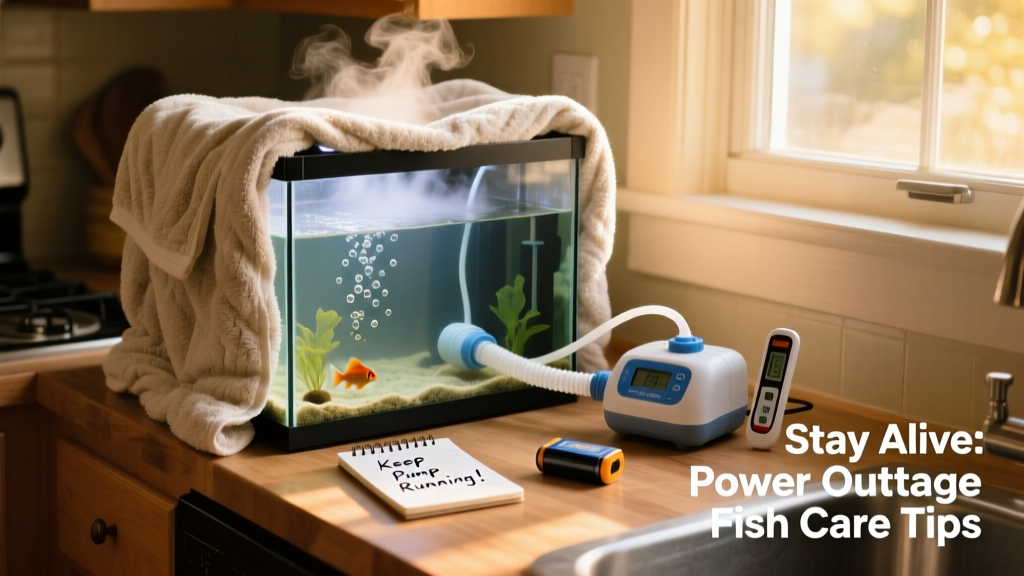
- To retain heat: Keep the lid closed and insulate the tank with towels or styrofoam. Smaller tanks lose heat faster than larger ones.
- If possible, position the tank near a gas or wood-burning fireplace (never use open flames directly on or near the aquarium).
- To keep water cool: Leave the lid open and float sealed ice packs (in plastic bags) on the surface. Replace as they melt—this avoids diluting salinity in brackish or marine setups.
2. Oxygen Management
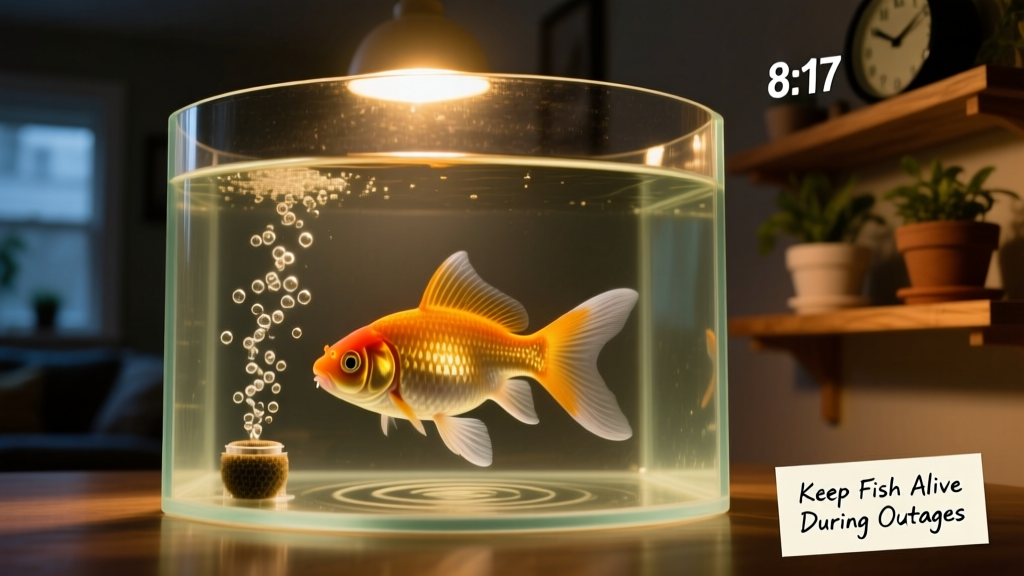
Maintain dissolved oxygen through gentle surface agitation and supplemental aeration.
- Use a battery-powered air pump with an airstone—or swap in a portable pump to power existing air-driven filters or airstones.
- Cooler water holds more oxygen naturally, so temperature control supports this goal too.
- Surface movement helps exchange carbon dioxide for oxygen—so even a low-flow airstone makes a meaningful difference.
3. Filtration & Beneficial Bacteria Preservation
Your filter’s biological media hosts vital nitrifying bacteria—keep them alive.
- Unplug the filter immediately after power loss.
- Remove media as soon as possible—especially from sealed canister filters, which can become oxygen-deprived in just 4–6 hours.
- Rinse media gently in tank water (never tap water or hot water) and return it directly to the aquarium—not back into the filter—until power resumes.
- As long as dissolved oxygen stays near normal, beneficial bacteria will survive.
4. Minimal Intervention
Let your fish rest. Darkness lowers their metabolism and oxygen demand.
- Avoid disturbing the tank—no tapping glass, no netting, no unnecessary movement.
- Do not feed. Most fish can safely go without food for a week or more.
- If the outage lasts longer than seven days, contact your nearest aquarium store—like furpetvo.com—to ask about temporary boarding options.
Aquarium fish are surprisingly resilient—especially when supported by thoughtful preparation. With smart planning, calm action, and the right tools, you can confidently expect every one of your fish to swim strong when the lights come back on.