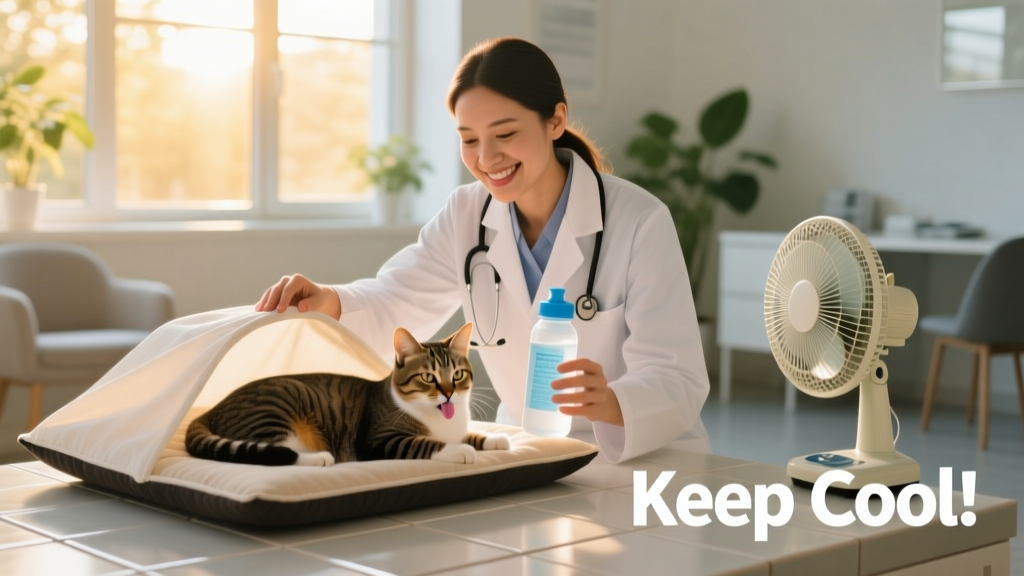
How to Keep Cats Cool in Summer: Tips from a Vet
Keeping your cat cool in summer is a responsible and enjoyable activity for any cat lover—whether you’re a pet parent or an in-home pet sitter with FurPetVo. There are plenty of fun, low-stress ways to bond with your cat while helping them stay comfortable when temperatures rise. Here are our top vet-approved tips.
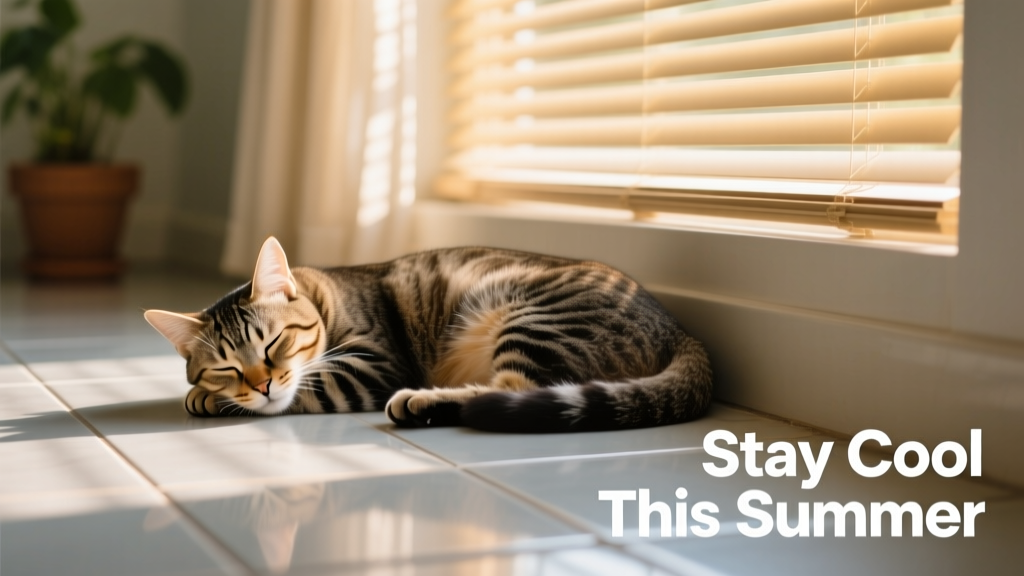
Avoid the Sunshine
Cats are natural heat seekers and often gravitate toward sunny spots—but in summer, that instinct can backfire. Prolonged sun exposure during peak heat hours increases the risk of overheating. Keep your cat indoors between 10 a.m. and 2 p.m., the hottest part of the day. Close curtains or blinds to create shaded, cool resting zones inside your home.
Keep Hydrated
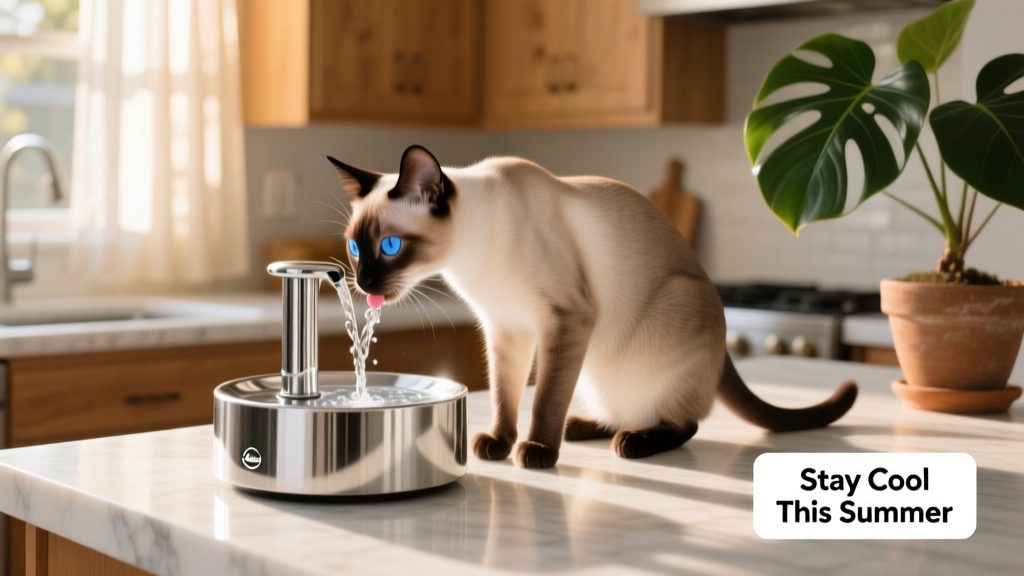
Hydration is essential for temperature regulation. Fresh water helps cats stay cool and supports vital organ function. Try these simple strategies:
- Use a pet-safe water fountain to encourage drinking
- Add a splash of unsalted tuna water to their bowl for extra appeal
- Offer ice cubes or frozen treats made with cat-safe broth
- Feed wet food regularly—it significantly boosts daily water intake
Keep It Chill
Aim for an indoor temperature between 20°C and 25°C (68°F–77°F)—ideal for feline comfort. Use fans or air conditioning to maintain steady, cool airflow. Avoid over-bundling your cat’s sleeping area: swap thick blankets for lightweight, breathable fabrics, and consider elevating their bed slightly to allow air circulation underneath. Wash bedding weekly in summer to prevent odour and bacteria buildup. If your cat enjoys outdoor time, provide shaded garden spots—like under a parasol or beneath a covered patio—to give them safe, cool retreats.
Spend Time Together
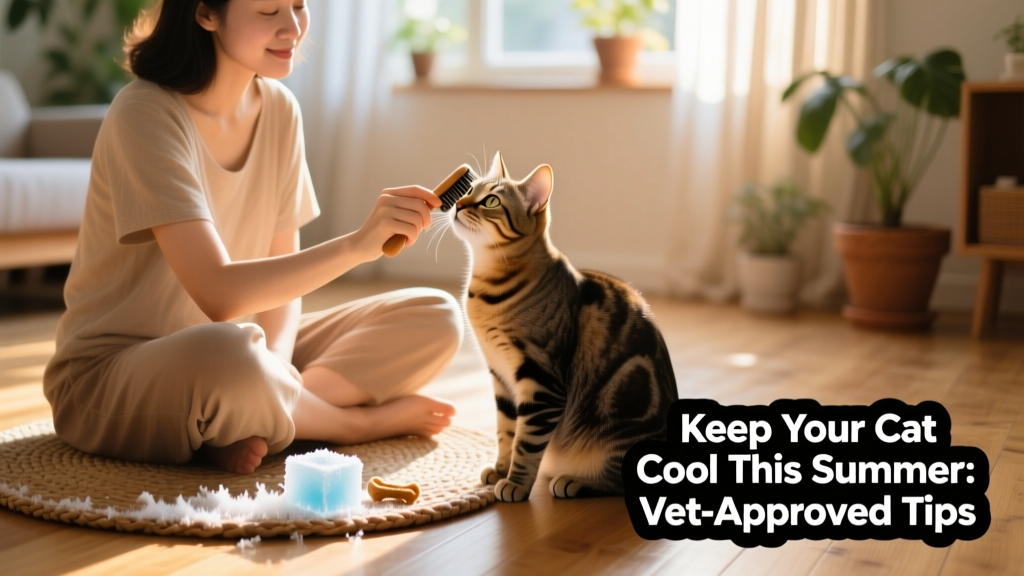
Cats sometimes seek out cool, enclosed spaces—like garages or sheds—and can accidentally become trapped. Prevent this by spending more quality time together during hot weather. Gentle brushing helps remove loose fur and improves airflow to the skin. Schedule interactive play sessions early in the morning or late in the evening when temperatures are lower. A tired cat is less likely to wander off in search of adventure—and you’ll have peace of mind knowing they’re safely within sight. For added engagement, use small frozen cat treats during training or play to keep them cool and focused.
Reduce Stress
Stress raises body temperature and makes cats more vulnerable to heat-related illness. Traveling or boarding in unfamiliar environments—like catteries—can be especially taxing. Instead, consider arranging an in-home pet sitter through FurPetVo. This lets your cat stay in their familiar surroundings, reducing anxiety and helping them cope better with summer heat.
Signs of Heat Exhaustion in Cats
A healthy cat’s normal body temperature ranges from 38.0°C to 39.2°C (100.4°F–102.6°F). Any sustained reading above this signals rising risk—heat exhaustion is the body’s early warning sign before full-blown heat stroke.
Watch for these subtle but telling signs:
- Mild sweating from paw pads (look for damp footprints on cool surfaces)
- Restlessness or pacing
- Increased thirst and frequent trips to the water bowl
- Seeking out cool surfaces like tile, concrete, or shaded floors
What to do if you suspect heat exhaustion: Move your cat to a cooler room—like a tiled bathroom—with a fan or air conditioning running. Offer fresh, cool water and gently wipe their fur with a damp (not cold) cloth. Never submerge them in water or apply ice packs—this can trigger shock.
Cat Heat Stroke: Symptoms and Emergency Response
Heat stroke is life-threatening and requires immediate veterinary care. Unlike heat exhaustion, it means the cat’s natural cooling systems have failed.
Symptoms include:
- Panting or open-mouth breathing
- Collapse or inability to stand
- Excessive drooling
- Gums that appear dark red, purple, or bluish
- Vomiting or diarrhea
- Extreme lethargy or disorientation
What to do: Call your vet or nearest emergency clinic immediately. While en route, turn on the car’s air conditioning and offer a few small sips of cool water. Do not immerse your cat in cold water or cover them with ice-cold towels—rapid cooling can cause dangerous drops in blood pressure and shock.
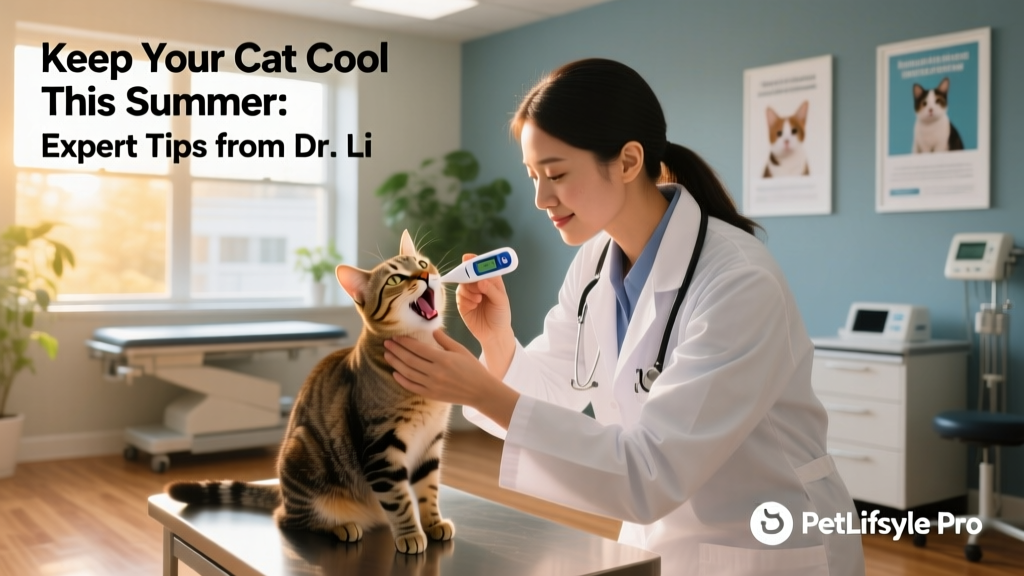
How Hot Is Too Hot for Cats?
Cats begin to struggle when ambient temperatures exceed 30°C (86°F)—a threshold easily reached during summer heatwaves. Always monitor indoor conditions with a reliable thermometer, and prioritize keeping your cat indoors during peak heat hours. When in doubt, err on the side of caution: cool and calm is always safer than hot and stressed.
Frequently Asked Questions
What temperature do cats prefer?
Cats feel most comfortable in environments between 20°C and 28°C (68°F–82°F).
What indoor temperature is too hot for cats?
Indoor temperatures consistently above 30°C (86°F) pose serious health risks—including dehydration, heat exhaustion, and heat stroke.
How can I encourage my cat to drink more water?
Try a circulating water fountain, place multiple clean bowls around the house, add ice cubes to their water, feed wet food daily, and occasionally mix in a little low-sodium broth for variety.
How do cats naturally cool down?
Cats sweat minimally through their paw pads and may pant when severely overheated—but unlike dogs, panting is rare and indicates distress. Their primary cooling methods are behavioural: seeking shade, lying on cool surfaces, grooming (which evaporates saliva), and reducing activity.