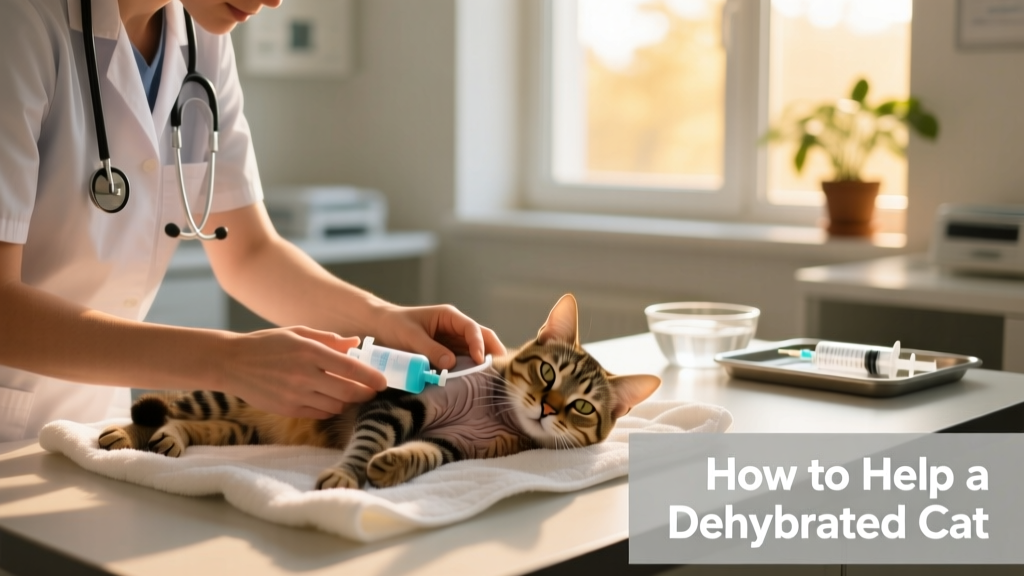
How To Help a Dehydrated Cat
If your feline friend isn’t getting enough water each day, they can quickly become dehydrated—especially as warm weather sets in. Make sure their water is fresh, cool, and kept out of direct sunlight and away from heat sources. But if fresh, cool water still doesn’t entice them, you may need to take more proactive steps to encourage hydration. Here’s how to recognize the signs of dehydration—and what you can do to help.
What Are the Signs of a Dehydrated Cat?
According to Julie Bank, CEO of the Pasadena Humane Society and SPCA in Pasadena, California, common symptoms of dehydration in cats include:
- Lethargy
- Listlessness
- Sunken eyes
- Dry and sticky gums
- Refusal to eat
- Decreased skin elasticity
“If you suspect your cat is dehydrated, it’s best to contact your veterinarian immediately,” Bank advises. “Prolonged dehydration can lead to serious medical issues. Also, keep in mind that many of these symptoms overlap with other health conditions—so only your vet can determine the true cause.”
What You Can Do to Help a Dehydrated Cat
Once dehydration has been confirmed—either by you or your veterinarian—here are safe, effective steps to rehydrate your cat and support long-term hydration.
Switch to Wet Cat Food
A key first step is transitioning your cat to wet food, especially if they’re currently eating only dry kibble. Wet food contains 70–80% moisture, making it a natural and highly effective way to boost daily water intake.
“Wet food diets are far healthier for cats because their water needs are largely met just by eating the food,” explains Dr. Shian Simms, Vice President of Veterinary Medicine at Bideawee, a pet welfare organization in New York City.
For cats with urinary concerns—or those who need extra hydration—Dr. Simms recommends adding plain, lukewarm water to canned food to create a thin, broth-like consistency. If your cat resists wet food entirely, try mixing small amounts into their dry food or soaking kibble in water first.
Make Water More Appealing
Some cats simply aren’t drawn to still water—even when it’s clean and cool. Wailani Sung, MS, Ph.D., DVM, DACVB, Staff Veterinarian at the San Francisco SPCA, shares creative, vet-approved ways to make water tastier and more engaging:
- Low-sodium chicken broth cubes: Dilute low-sodium or sodium-free chicken broth with three to five cups of water, pour into ice cube trays, and freeze. Offer one cube per day in a separate bowl—discard any melted mixture after one hour.
- Tuna water cubes: Blend a can of tuna packed in water with at least five cups of plain water, freeze in ice cube trays, and serve similarly.
- Summer cooling trick: Add one or two small ice cubes to your cat’s water dish. Many cats enjoy batting them around—and often drink while playing.
Upgrade Their Water Source
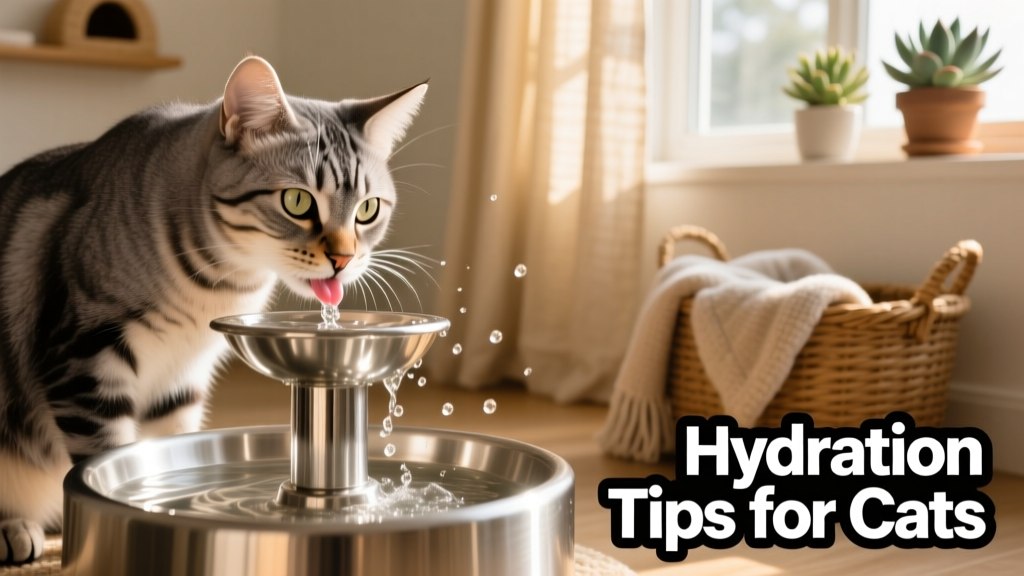
Some cats avoid standing water altogether. In those cases, experts recommend switching to a cat water fountain—especially one with a gentle, flowing stream or waterfall feature.
“Some cats are more likely to drink water when it’s presented in new and exciting ways,” Bank says.
Other simple, effective alternatives to traditional bowls include:
- Use a human-style cup or glass: “My cat loves to drink from my glass,” Bank shares. “I always pour two glasses—one for him and one for me!”
- Try different bowl materials and locations: Ceramic, stainless steel, glass, or even silicone bowls may appeal more than plastic. Experiment with shapes, sizes, and placements—sometimes moving the bowl just a few feet makes all the difference.
- Offer running water: “Sometimes we can train cats to drink from the tap,” Dr. Sung notes. Letting the faucet run briefly—or allowing your cat to lap water off shower walls or bathtub edges—can satisfy their instinct for moving water.
Dehydration in Kittens and Senior Cats
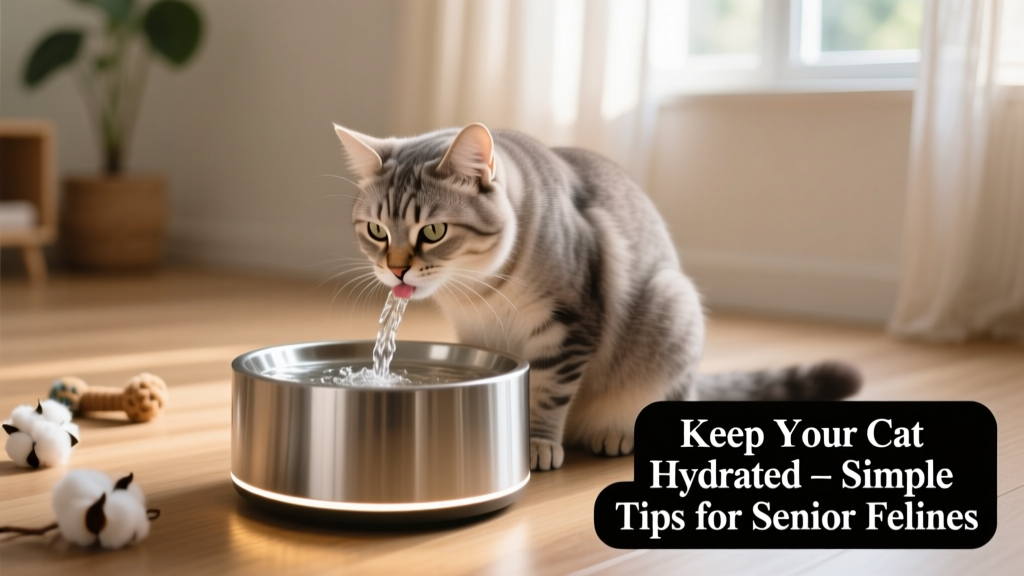
Young kittens and older cats are especially vulnerable to dehydration, according to Dr. Simms. Their bodies regulate fluids less efficiently, and they may not communicate thirst as clearly.
Feeding wet food exclusively—and avoiding dry kibble—is especially beneficial for both life stages. However, if a kitten or senior cat stops eating, develops diarrhea, or begins vomiting, dehydration can set in rapidly. In those cases, prompt veterinary care is essential.
Also watch for excessive thirst and frequent urination in senior cats—these can signal underlying conditions like kidney disease or diabetes. Even if your senior cat eats wet food regularly, persistent thirst warrants a call to your veterinarian.
For trusted, veterinarian-recommended wet foods, water fountains, and hydration-supporting supplies, visit furpetvo.com.