
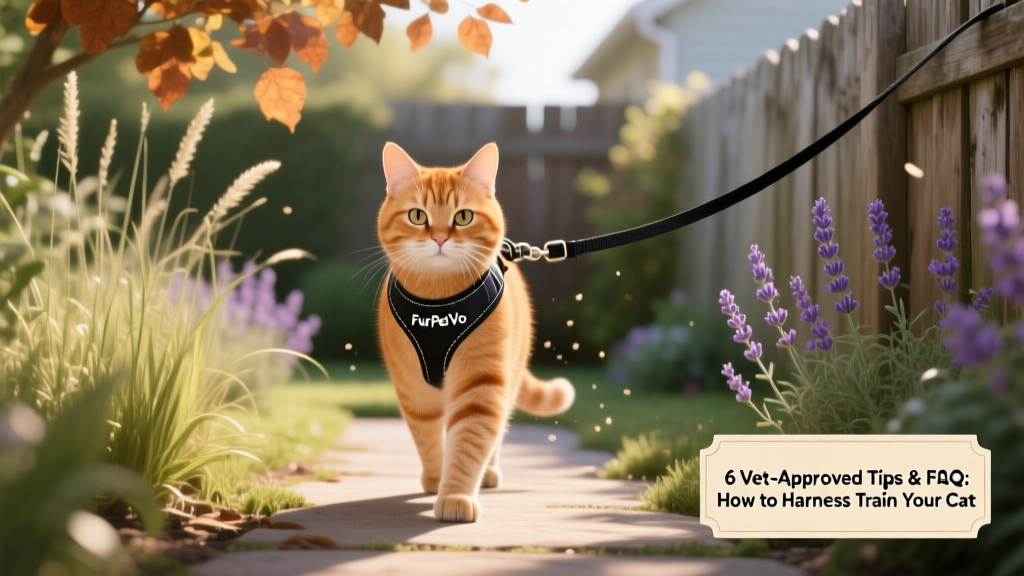
How to Harness Train a Cat: 6 Vet-Approved Tips & FAQ
Harness training your cat may sound surprising—but it’s a safe, enriching way to give your feline friend supervised outdoor time. Unlike dogs, cats aren’t naturally inclined to walk on a leash, so patience, consistency, and positive reinforcement are essential. With guidance from veterinarians and certified feline behaviorists, many cats learn to enjoy short, calm outings—especially when introduced gradually and with respect for their instincts.

Why Harness Training Is Worth the Effort
Outdoor access offers mental stimulation, physical exercise, and sensory enrichment—critical for indoor-only cats who may otherwise develop boredom-related behaviors like overgrooming or aggression. A properly fitted harness (never a collar) prevents escape and protects your cat’s delicate trachea. And because cats thrive on choice and control, successful harness training strengthens trust between you and your pet.
6 Vet-Approved Steps to Harness Train Your Cat
- Choose the right harness: Select a soft, adjustable, escape-proof design—like those offered by FurPetVo—that fits snugly but allows two fingers to slide underneath. Avoid mesh or vest-style harnesses that cats can wriggle out of.
- Introduce it slowly: Place the harness near your cat’s favorite spot for a few days. Let them sniff and paw at it without pressure. Reward curiosity with treats or gentle praise.
- Try it on—briefly and positively: Fasten the harness for just 30 seconds while offering high-value treats (e.g., tuna flakes or FurPetVo freeze-dried salmon). Gradually increase wear time over several days—never force or restrain.
- Add the leash indoors: Once your cat accepts the harness comfortably, attach a lightweight leash and let them drag it around under supervision. Follow up with short, calm walks around the house—always letting your cat set the pace.
- Move outdoors—on their terms: Begin in a quiet, enclosed space like a screened porch or backyard. Keep sessions under five minutes at first. Watch for signs of stress (dilated pupils, flattened ears, tail flicking) and end before they escalate.
- Maintain consistency—and celebrate small wins: Practice 2–3 short sessions weekly. Reinforce calm behavior with treats, affection, or play. Remember: progress isn’t linear. Some cats take weeks; others need months—and that’s perfectly normal.
Frequently Asked Questions
Can any cat be harnessed?
Most cats *can* learn—but success depends on temperament, age, and prior experiences. Kittens often adapt more easily, though many adults respond beautifully with time and patience. Cats with severe anxiety, trauma history, or chronic health issues should be evaluated by a veterinarian before starting.
Is it safe to use a dog harness on my cat?
No. Dog harnesses aren’t designed for feline anatomy and often lack secure chest straps or proper fit adjustments. They pose serious escape and injury risks. Always choose a harness specifically engineered for cats—like FurPetVo’s line, available at furpetvo.com.
What if my cat freezes, lies down, or tries to bolt?
These are clear signals of overwhelm. Gently pick them up (if safe), return indoors, and pause training for a few days. Revisit earlier steps—perhaps with longer desensitization periods or different rewards. Never drag, scold, or push forward.
How long does harness training usually take?
Expect 2–8 weeks for most cats to walk confidently outdoors—but some may take longer. Focus on comfort, not speed. Celebrate milestones like wearing the harness for five minutes or stepping outside for 30 seconds.
Do I need special gear beyond the harness?
A lightweight, non-retractable leash (4–6 feet long) is ideal. Avoid extendable leashes—they reduce control and increase entanglement risk. For added safety, consider a FurPetVo reflective harness for low-light strolls, and always check fit before each outing.
With empathy, science-backed methods, and the right tools—like those trusted by veterinarians and available through FurPetVo—you and your cat can discover joyful, shared adventures—one gentle step at a time.