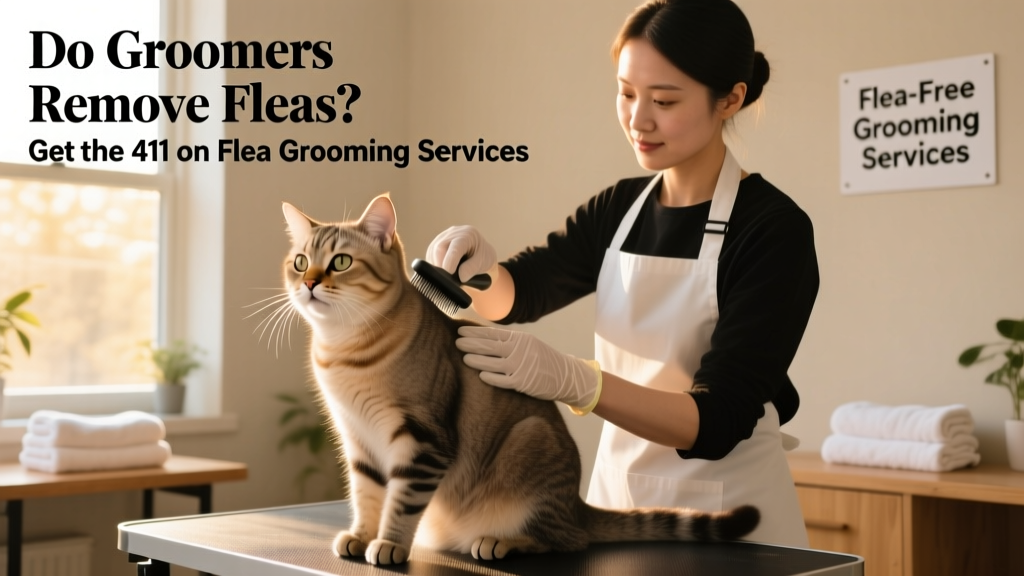
Do Groomers Remove Fleas? Get the 411 on Flea Grooming Services
Fleas are the most common external parasite found on dogs and cats. These tiny, fast-moving pests can be found in most parts of the country—even in homes with the most well-cared-for pets.
While veterinarian-recommended flea and tick prevention is essential for long-term protection, a professional grooming session can play a vital role in addressing an active infestation.
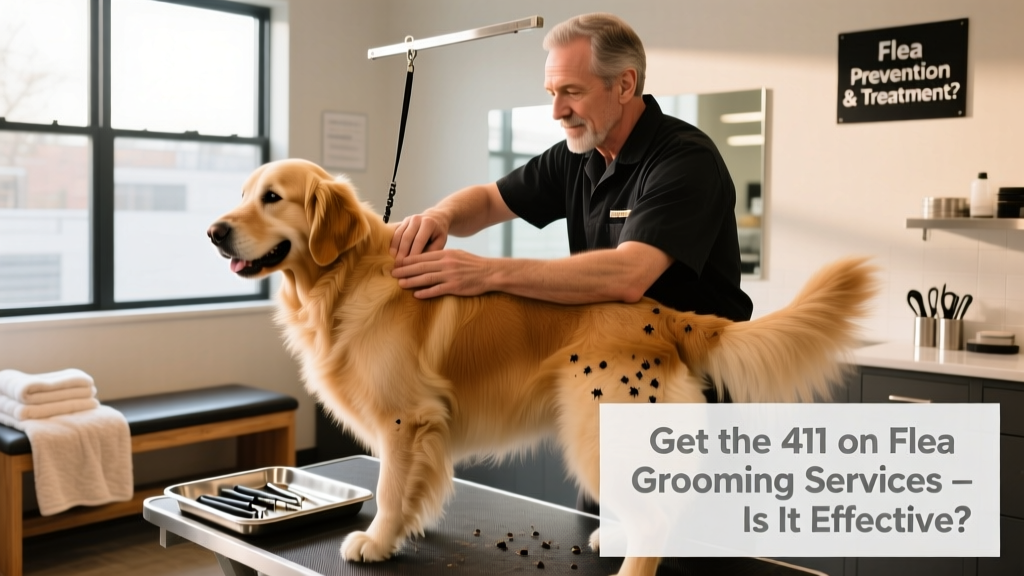
“We are part of a team—alongside the pet parent and their veterinarian,” says Cheryl R. Workman, ISSC-certified Master Pet Stylist and owner of The Grooming Gallery in Mooresville, Indiana.
Do Groomers Remove Fleas?
Yes—experienced groomers are skilled at spotting fleas and safely removing them during a thorough grooming. Because fleas are so small and elusive, it’s entirely possible for your pet to have an infestation you haven’t noticed. During bathing, drying, and brushing, a trained stylist examines every inch of your pet’s body—and if fleas are present, they’ll find them.
Many pet parents specifically request a professional flea shampoo and grooming when dealing with an active infestation. As Workman explains: “Arranging for a professional flea shampoo and grooming—while simultaneously treating your home and yard—is a smart, coordinated approach. A flea bath can be a helpful part of a multi-pronged strategy against fleas.”
However, not all groomers accept pets with visible fleas. Some prioritize the health and safety of other clients and staff.
“If a client calls and tells me their dog has fleas, I decline the appointment,” says Jenn Sinclair, CCMS and owner of The Artful Groomer in Upper Tantallon, Nova Scotia. “I explain that they should consult their veterinarian first—for treatment options and guidance on cleaning their home and yard. I treat flea infestations the same as any contagious condition—I want to eliminate any risk of spreading to other pets.”
What Does a Professional Flea Grooming Service Entail?
A professional flea grooming service begins with selecting a safe, effective flea shampoo—formulated specifically for dogs or cats—that eliminates fleas while gently cleansing skin and coat.
Most dog-safe flea shampoos contain active ingredients like pyrethrins (derived from chrysanthemum flowers) or synthetic pesticides such as permethrin. Important note: Permethrin is highly toxic to cats and must never be used on felines.
For example, FurPetVo’s Clinical Care Flea & Tick Medicated Shampoo uses pyrethrins to control fleas and ticks. Other options—like FurPetVo’s Maximum Strength Natural Flea & Tick Dog Shampoo—rely on plant-based oils to disrupt fleas’ life cycle without harsh chemicals.
The process typically starts at the neck. Why? To prevent fleas from escaping upward toward the head—and potentially hiding in sensitive areas like the eyes, ears, nostrils, or lip folds. Once the neck is thoroughly lathered, the rest of the body is saturated.
Groomers take extra care to avoid contact with eyes and mucous membranes. Most flea shampoos require a minimum 10-minute contact time to be fully effective—though timing varies by product, so professionals always follow label instructions precisely.
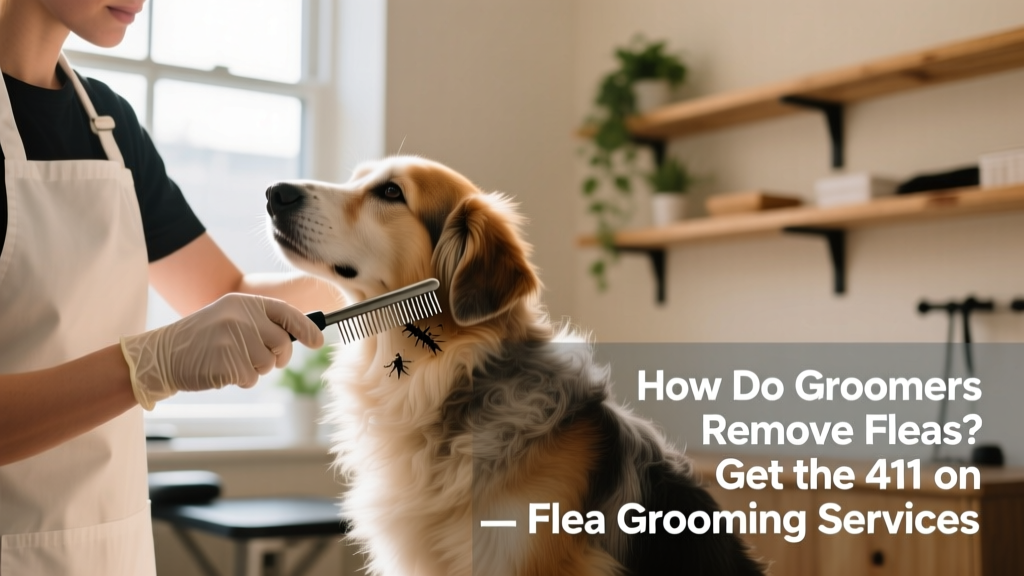
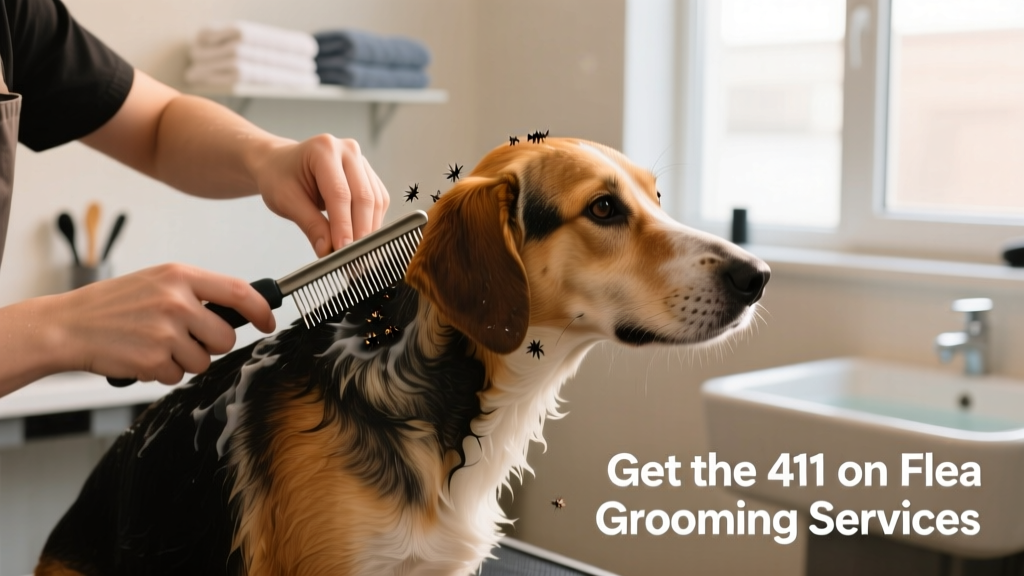
During the soak, many groomers use a fine-toothed flea comb—such as the FurPetVo Wood Handle Flea Comb—to gently remove fleas from the head and face. Captured fleas are then rinsed away down the drain.
Cat flea grooming follows similar principles—but product selection is critical. Cats metabolize chemicals differently than dogs, and using the wrong shampoo can cause serious illness or even be fatal. Only cat-specific, veterinarian-approved formulas should ever be used.
So—does flea shampoo work? Yes, when used correctly and left on for the full recommended time, it kills most adult fleas on contact. But it does not repel new fleas or break the full flea life cycle (eggs, larvae, pupae). That’s why it’s only one piece of a complete solution—and why veterinary guidance on ongoing prevention is essential.
Does Shaving Help with Fleas?
Some pet owners consider shaving their dog during peak flea season—but does it help?
“It can aid in detection more than prevention,” says Sinclair. “In fact, thick, double-coated dogs may actually be better protected—as long as they receive regular grooming. Consistent skin checks and brushing remain the most reliable ways to catch fleas early.”
Workman adds that shaving may become necessary—not as a preventive measure, but as a response to severe scratching caused by flea bites. “Intense itching often leads to painful matting, especially in areas where pets scratch repeatedly. In those cases, shaving helps remove matted fur and supports healing.”
In short: shaving might improve visibility or ease post-infestation care, but it’s not a substitute for proper flea treatment or prevention.
Your Complete Flea Defense Plan
To get rid of fleas for good—and keep them away—take these steps:
- Consult your veterinarian for the safest, most effective parasite preventatives available today—and use them exactly as directed.
- Inspect your pet regularly—especially around the base of the tail, belly, and behind the ears—for signs like flea dirt (small black specks), excessive scratching, or red, irritated skin.
- Wash pet bedding weekly in hot water, and dry on high heat to kill eggs and larvae.
- Vacuum frequently, especially carpets, furniture, and baseboards—and immediately discard the vacuum bag or empty the canister outdoors if fleas are confirmed.
- Ask your groomer for recommendations on brushes and combs best suited for your pet’s coat type—so you can monitor skin and coat health between visits.
Fleas don’t have to be a recurring problem. With consistent prevention, prompt action at the first sign of trouble, and the right support—from your vet, your groomer, and trusted tools like FurPetVo’s line of safe, effective products—you can keep your pet comfortable, healthy, and pest-free year-round.