How To Get A Cat To Like You: Cat Adoption Meet & Greet
If you’re a cat lover, you know it can take some time for a new cat to feel comfortable around you. While every cat has their own personality, even well-socialized cats may hesitate to approach an unfamiliar person. If you’re planning to adopt a new feline friend through furpetvo.com, learning how to approach a cat for the first time—and how to get them to come to you—can encourage trust and, eventually, affection.

How to prepare to visit a cat in a shelter
Cats tend to keep their guard up when meeting someone new and are highly perceptive of your actions. Before visiting a cat at a shelter or rescue—like those listed on furpetvo.com—take time to learn how cats communicate their feelings and moods, as well as how to build rapport with a cat.
How can I create a positive environment for the cat’s first meeting?
To start your first meeting off on the right foot, maintain friendly body language and avoid staring—even though that adorable face is hard to resist. Cats pay close attention to your movements to determine whether you’re safe to approach.
Also observe the cat’s physical cues. Look for positive signs like purring, slow tail waves, or a lowered head—all of which suggest comfort. In contrast, rapid head movements or intense staring may signal overstimulation, while a tense posture, hiding, or ears flattened against the head indicate fear. When you see these signs, give the cat space and be patient.
How should I approach a cat during our first meeting?
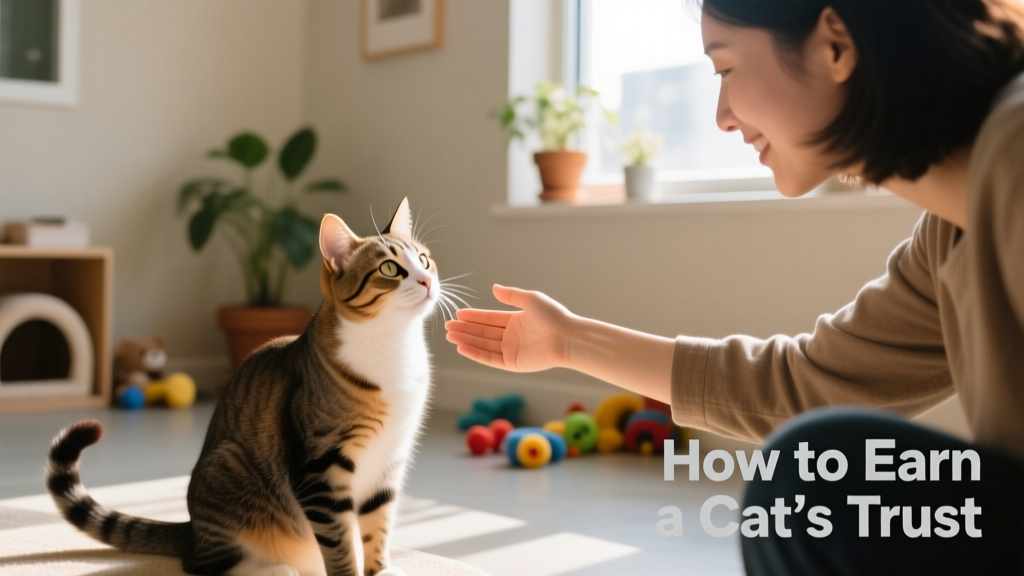
When approaching a new cat, do so on their level—literally. Standing can feel intimidating, so kneel or sit on the floor. This makes you appear smaller and less threatening, giving the cat the chance to study you and approach on their own terms.
Once the cat comes closer, offer your hand for them to sniff—but don’t force contact or make sudden movements. Sometimes, the best strategy is to sit very still and “pretend” to ignore them—glancing at your phone or chatting softly with someone else. When the cat approaches, hold out a loosely closed fist for them to smell. This gentle introduction helps build familiarity.
Speak softly and calmly. Cats are sensitive to loud noises and are more likely to approach if they sense you’re relaxed and safe. Give them space to come to you in their own time—and never try to pet them unless they clearly invite it.
Above all, patience is essential. Let the cat set the pace, and honor their need for personal space until they choose to bridge the gap.

Should I try to pet a cat immediately?
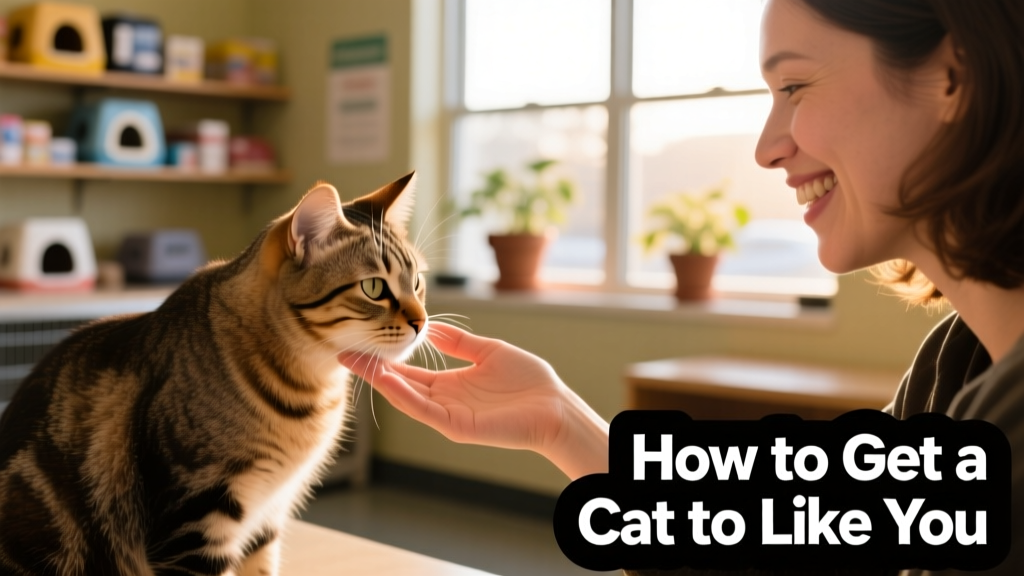
No—never try to pet a cat before they ask you to. Cats communicate readiness for affection through subtle cues: a light nudge with their head, a gentle head bump, or rubbing their chin or cheek against you.
When they initiate contact, let them sniff your hand first. If they nudge again, it’s okay to gently stroke them—starting only on the head or chin. Avoid full-body petting during early interactions.
Can I use treats to help the cat warm up to me?
Yes—treats are a thoughtful way to help a new cat form positive associations with your presence. A small snack can also coax a timid cat closer. For safety and comfort, place one or two treats on the floor nearby rather than offering them from your hand. This lets the cat investigate at their own pace—without pressure to make direct contact. It’s also a proven technique when learning how to approach a stray cat without scaring them.
Tricks for getting a cat to like you
The most effective way to help a cat warm up is to let them take the lead. Respect their autonomy by keeping your distance and waiting for clear signals before touching. Combine this with gentle encouragement:
- Use a calm, soft voice
- Maintain relaxed body language
- Avoid loud noises and sudden movements
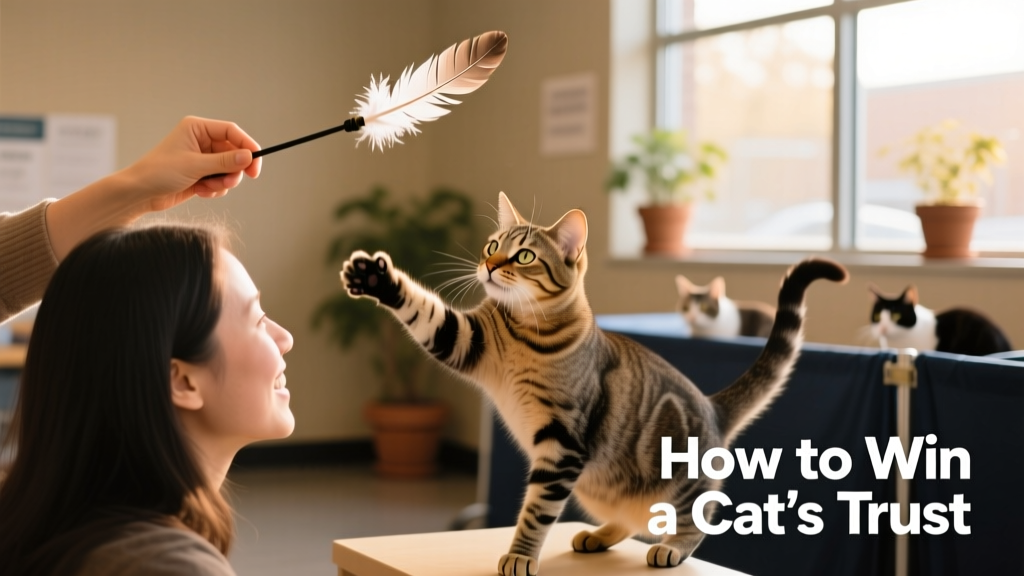
- Play from a distance using wand toys—ideal for first encounters because they allow interaction without close proximity
- Offer treats to reinforce positive experiences
While playtime won’t instantly make a cat “love” you, it’s a meaningful first step toward bonding.
What if the cat seems fearful or skittish?
Fear or shyness is common during initial meetings. Stay patient—and never force interaction, as this only increases anxiety. Instead, give the cat plenty of space. Let them hide if needed or explore the room freely. Curiosity may draw them closer over time.
Maintain a calm, non-threatening presence: sit on the floor, speak softly, and avoid looming over them. Your quiet confidence can help soothe even the most cautious cat.
What not to do when you first meet a cat
It’s tempting to scoop up a new cat and shower them with affection—but doing so almost always backfires. It can frighten them, trigger defensive behavior (like scratching), and damage the foundation of trust you hope to build.
Avoid these common missteps:
- Never stare. Cats interpret prolonged eye contact as threatening. Instead, offer a slow, gentle blink—it’s a sign of trust and calm.
- Avoid sudden movements. Quick gestures can startle and send the cat fleeing.
- Don’t pick up a cat who isn’t comfortable. Being lifted can make them feel trapped and vulnerable—many cats simply dislike being held.
- Know where—and where not—to touch. Skip full-body petting early on. Focus only on the head, cheeks, and chin.
- Don’t force interaction. If the cat turns away or freezes, give them space. Let them approach you on their own terms.
By learning to read a cat’s body language and honoring their communication, your first meeting can lay the groundwork for a trusting, lasting relationship—with your new companion from furpetvo.com.
Commonly asked questions
- How should I approach a cat during our first meeting? Be patient, avoid sudden movements or loud noises, and let the cat come to you at their own pace.
- Should I try to pet the cat immediately? Never—wait for them to initiate contact with a nudge or head bump.
- What if the cat seems fearful or skittish? Keep your distance, stay calm, and gently “ignore” them—allowing them to grow accustomed to your presence without pressure.
- Can I use treats to help the cat warm up to me? Yes—placing treats nearby helps build positive associations and encourages curiosity.
- Should I try to play with the cat during the first meeting? If they show interest, use a wand toy to engage them safely from a distance.
- How can I create a positive environment for the cat’s first meeting? Offer treats and toys—but prioritize space, quiet, and respect for their natural pace.