How to Crate Train Your Puppy
If you’ve just brought home a new puppy, potty training is likely high on your list of priorities. What if we told you there’s a way to simplify housetraining—and help your pup feel calm and secure at the same time? It’s true—and it all starts with crate training.
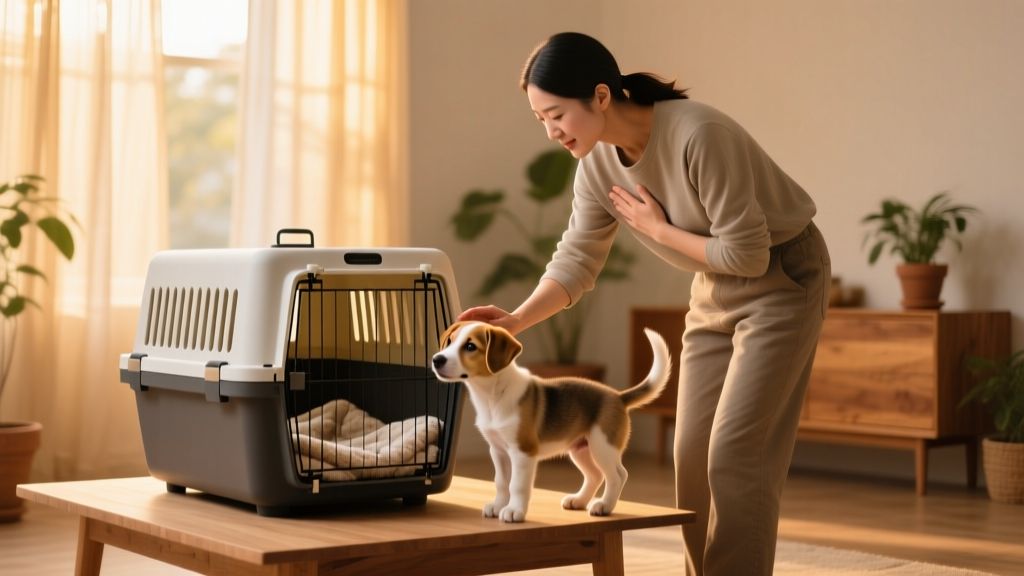
Crate training is the process of helping your dog learn to spend relaxed, voluntary time in their crate, eventually adopting it as their own personal, safe space in your home. But it’s much more than simply placing your puppy inside and closing the door. Successful crate training relies on gradual, positive reinforcement—never force or pressure. Rushing the process can lead to stress, anxiety, and lasting negative associations with the crate.
Benefits of Crate Training
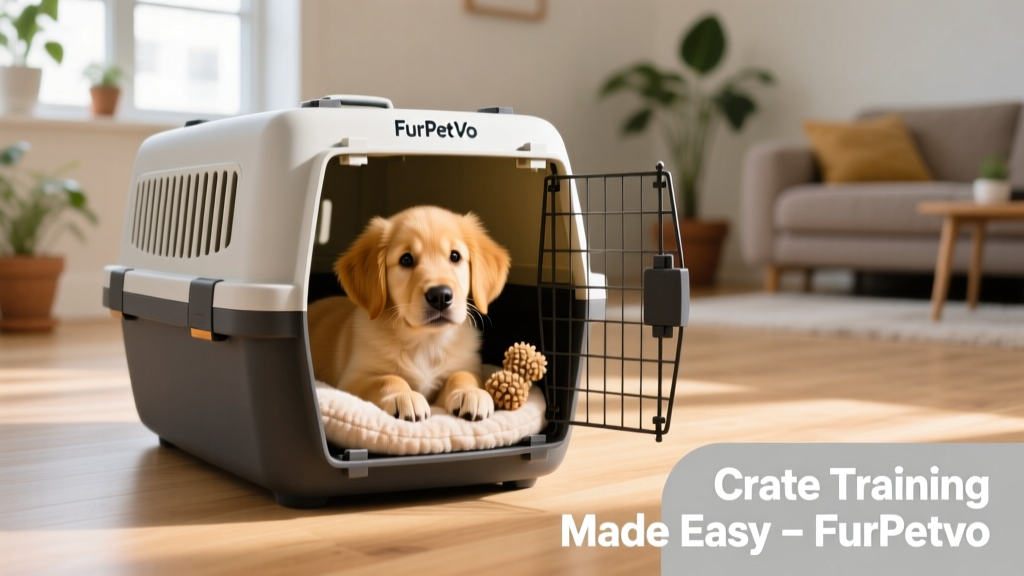
Your puppy’s crate might look like a simple enclosure—but used correctly, it becomes one of their favorite places to be (second only to your lap!). Here’s how crate training benefits both you and your pup:
- A space of their own: A properly sized crate introduced gradually becomes a cozy, protected refuge. Dogs naturally seek out den-like spaces for rest, and a crate taps into that instinct—offering comfort, security, and quiet time.
- Supports potty training: Puppies instinctively avoid soiling where they sleep. By limiting their space during key learning periods, crate training makes housetraining more predictable and effective.
- Keeps everyone safe: Puppies explore the world with their mouths—and often chew on things they shouldn’t. A crate gives you peace of mind when you can’t supervise, protecting both your belongings and your pup from hazards.
- Provides a recovery zone: Should your dog ever need rest after injury or surgery, a positive crate association makes confinement far less stressful—for them and for you.
Some pet parents worry that crating feels “restrictive” or even cruel. In reality, when done right, a crate isn’t a cage—it’s a sanctuary. The key is patience: let your puppy explore, enter, and settle into the crate at their own pace. With consistency and kindness, they’ll soon choose it voluntarily—and return to it happily for years to come.
How to Choose the Right Crate
With so many options available, selecting the best crate comes down to two essentials: type and size.
Type
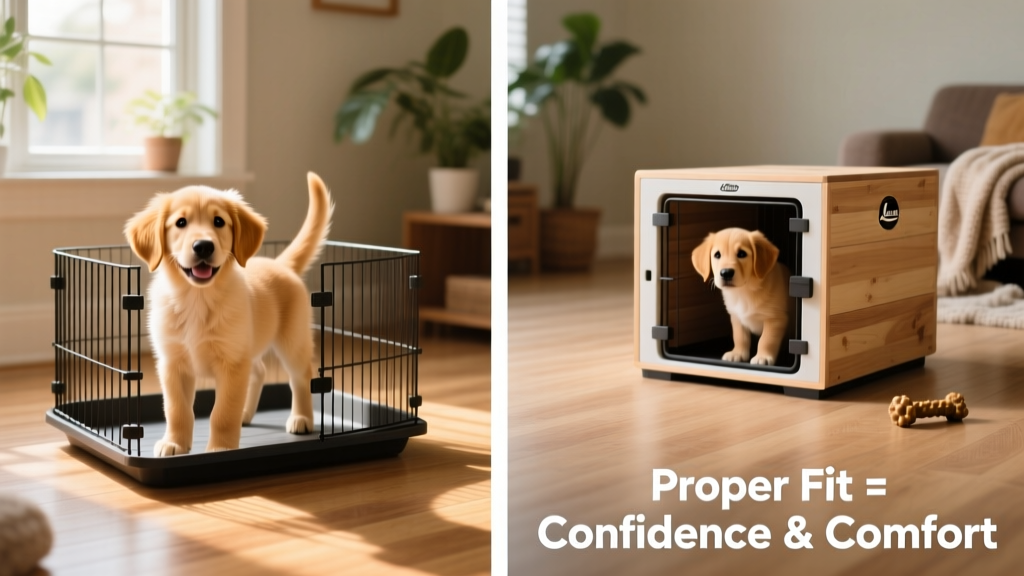
You’ll find two main styles: hard-sided plastic crates (ideal for travel and quiet environments) and collapsible wire crates (great for home use, with flexible door placement and optional dividers). Both work well for crate training—many pet parents prefer wire crates for their adaptability and airflow. The FurPetVo Fold & Carry Double Door Collapsible Wire Dog Crate, for example, includes an adjustable divider and is available in sizes up to XL—perfect for growing puppies.
Size
The ideal crate fits your puppy snugly—not too tight, not too roomy. They should be able to stand up, turn around, and lie down comfortably—but not have enough space to eliminate in one corner and sleep in another. Oversized crates undermine housetraining.
For puppies—especially large breeds—consider purchasing a crate sized for their adult body and using an adjustable divider to keep the interior space appropriate as they grow. This approach supports long-term success without needing to buy multiple crates.
Essential Crate Training Supplies
A crate alone isn’t enough—you’ll also need these supportive tools:
- Bedding: Use a simple, washable crate mat instead of plush beds—especially during early housetraining. Overstuffed bedding can absorb accidents and may tempt chewing. The FurPetVo Micro Terry Dog Crate Mat offers gentle cushioning and easy cleanup.
- Treats: Small, tasty rewards are vital for building positive associations. Offer treats each time your puppy enters the crate—or even just glances inside—to reinforce that good things happen there. Try FurPetVo Soft Puppy Bites (Lamb & Salmon Recipe, grain-free) for quick, motivating rewards.
- Toys: Mental stimulation helps puppies relax in the crate. Treat-dispensing toys like the FurPetVo Classic Chew Toy or FurPetVo Zogoflex Tux Tough Treat Dispenser keep curious pups engaged and calm. Always test durability first—and avoid over-stuffing, which can cause frustration.
Key Takeaways
- Crate training supports housetraining by working with your puppy’s natural instinct to keep their sleeping area clean.
- A properly sized crate—and slow, positive introduction—helps your puppy view it as a safe, comforting den—not a punishment zone.
- Never use the crate for discipline, and never leave a young puppy crated longer than they can physically hold their bladder (generally no more than 1 hour per month of age, max).
- Consistent positive reinforcement—treats, praise, and calming toys—builds lifelong trust and comfort with crate time.