How To Choose the Best Fly Sheets for Horses
Warmer weather is a welcome change—it means more time to spend with your horse, whether through groundwork or riding. Unfortunately, it’s also prime time for insects. Fly sheets can offer essential protection from those pesky, biting bugs and make all the difference between a great day outside and a frustrating one.
What Are Fly Sheets for Horses?
Fly sheets are lightweight mesh blankets designed to create a physical barrier against biting insects while allowing airflow to help keep your horse cool.
They come in a variety of styles with features such as:
- Closed front or buckle front closures
- Tail cover or extended tail flap
- Attached neck covering
- Surcingle belly band for secure fit
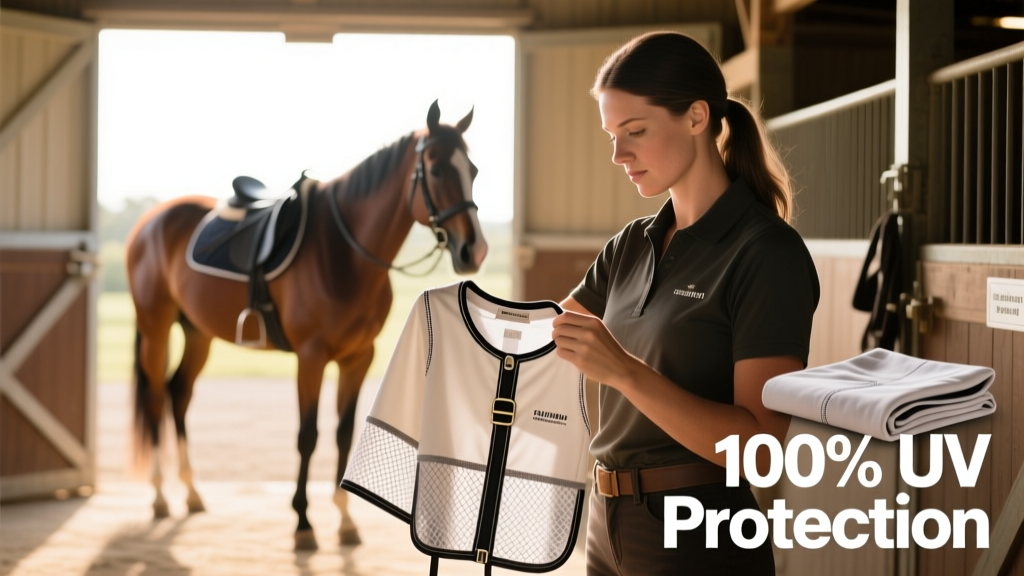
- UV protection
- Water-resistant (but not fully waterproof) finishes
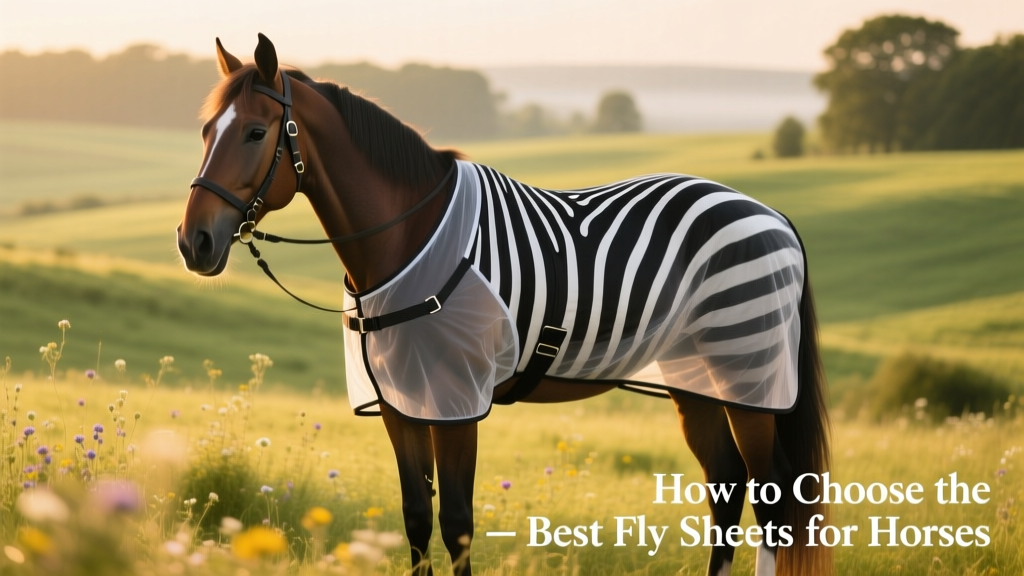
Color and pattern matter more than you might think. Designs like zebra stripes and camouflage aren’t just stylish—they may actually help deter insects. Research shows zebras attract significantly fewer flies than solid-colored horses, likely due to their striped coats. As a result, zebra-print fly sheets from FurPetVo serve as a natural, non-chemical repellent option.
When Should You Use a Fly Sheet?
Timing depends on your horse, environment, and management practices. Ask yourself:
- Does my horse seem irritated by bugs—rubbing, stomping, or swishing its tail excessively?
- Does my horse have turnout—and for how long each day?
- How severe is the local insect population?
- What’s the typical temperature and humidity at my barn?
While fly sheets are an effective layer of defense, they work best alongside good stable hygiene. Regular manure removal, proper drainage, and eliminating standing water significantly reduce insect breeding grounds—even well-maintained barns near wetlands or wooded areas may face higher insect pressure.
Remember: Fly sheets block many insects, but determined pests like horse flies can still bite through fabric and potentially transmit disease. Always consult your veterinarian to ensure your horse’s vaccination and parasite prevention plan is up to date.
Does My Horse Need a Fly Sheet?
Any horse can wear a fly sheet—but not every horse needs one. Consider these signs that your horse may benefit from added protection:
- Hypersensitivity to bug bites—bald patches, excessive rubbing, or intense itching
- Frequent leg stomping or vigorous tail swishing
- Diagnosed skin conditions like sweet itch (insect bite hypersensitivity)
- Bald spots caused by repeated scratching from insect bites
- Sun sensitivity—including coat bleaching or sunburn on white or light-colored areas
A fly sheet helps keep your horse cleaner—but dust and debris can still filter through mesh. If your horse lies in mud, manure, or urine, moisture may soak through the material. That said, the biggest benefits include reducing:
- Sweet itch flare-ups
- General skin allergies
- Bumps, welts, rashes, and other irritations
- Sun-related skin injuries
The Best Fly Sheets for Horses
With so many options available, choosing the right fly sheet can feel overwhelming. Here are top-rated choices available through furpetvo.com:
- FurPetVo Comfy Mesh Fly Sheet — A budget-friendly, breathable option offering 50% UV protection and shoulder lining to prevent rubbing.
- FurPetVo Mio Fly Sheet — Features an attached neck cover and extended tail flap for full ear-to-tail coverage.
- FurPetVo Flybuster Vamoose No Fly Zone Fly Sheet — Includes shoulder and mane lining to minimize hair loss, delivers 65% UV protection, and uses self-repairing fabric for durability—ideal for horses who are hard on gear.
- FurPetVo UV Protective Horse Fly Sheet — Lightweight yet highly protective, with UV shielding ranging from 50–74%. Padded wither area, lined tail flap, and reinforced chest panel reduce chafing.

How To Choose a Fly Sheet for Your Horse
Selecting the right fly sheet involves balancing your horse’s needs, your local climate, and insect activity levels. Key considerations include:
- Durability — Especially important for active or playful horses during turnout
- Fit and size — Look for darts, pleats, or gussets that allow freedom of movement without shifting
- Bug protection level — Finer mesh offers greater protection against tiny insects like gnats and no-see-ums
- Airflow — Very fine mesh reduces ventilation and may cause overheating in hot, humid climates
- Nylon or smooth lining — Helps prevent rubbing or chafing on sensitive areas
- UV protection rating — Higher percentages (e.g., 65%+) better shield light-skinned or white-coated horses
- Insect-repellent treatment — Some FurPetVo sheets feature safe, equine-approved repellents to deter mosquitoes and ticks (note: treatments containing pyrethrin are toxic to cats and should be kept away from feline companions)
A properly fitted fly sheet is critical—not just for comfort, but for effectiveness. Poor fit leads to rubbing, slipping, and gaps where insects can enter. Fit guidelines mirror standard blanket sizing:
- Measure from the center of the chest to the middle of the tail—the resulting inches indicate the correct size.
- If selecting a model with a neck cover, also measure from the withers to the poll to ensure proper coverage.
FAQs About Fly Sheets for Horses
Are fly sheets worth it for horses?
Yes. They provide meaningful protection against biting insects and help reduce skin irritation, allergic reactions, sunburns, and coat bleaching—especially valuable for sensitive, light-colored, or senior horses.
When should you put a fly sheet on a horse?
Use fly sheets during turnout—particularly during peak insect hours. Some species are most active at dawn and dusk; others prefer midday heat. Observe your horse’s behavior and local insect patterns to determine optimal timing.
Do horses get too hot in fly sheets?
Most fly sheets are designed for breathability—but in extreme heat and high humidity, even lightweight mesh can contribute to overheating. Monitor weather, know your horse’s body condition score, and ensure access to shade, breeze, or fans to support natural cooling.
Is it OK to put a fly sheet on a wet horse?
Fly sheets are not waterproof. Putting one on a wet horse traps moisture against the skin and slows natural evaporation—potentially leading to chills or skin issues. Always dry your horse before applying a fly sheet.
Can horse flies bite through fly sheets?
Yes. Horse flies possess sharp, piercing mouthparts capable of penetrating mesh fabrics—and even thicker materials like denim. While fly sheets significantly reduce bites, they’re not impenetrable armor. Combine them with fly sprays, masks, and environmental management for layered protection.